
Spain
Learn where the puentes fall and you dodge half the crowds in Spain.
When to visit Spain
Across Spain as a whole, January is typically the calmest month and May the busiest. Crowds are not uniform, though — see how the regions differ below.
Spain is one of the most visited countries on earth, but its crowds are lumpy rather than steady. Two things drive them: the Northern European escape to the Mediterranean coast and islands, which peaks from June to September, and the Spanish holiday calendar itself, which concentrates domestic travel into a handful of predictable long weekends. Miss the second and you will be baffled by a sold-out Tuesday in October.
The interior and the south have a climate problem the coast does not. Seville, Córdoba and the Guadalquivir valley regularly pass 40°C in July and August, and Madrid on the meseta is not far behind, which is precisely why so many inland Spaniards decamp to the sea in August and why the great Andalusian cities are best visited in spring or late autumn. Semana Santa, the movable Holy Week, is the exception that outweighs the rule: it is the single busiest travel week of the Spanish year and it moves between late March and late April.
The best all-round windows are late April to early June and mid-September to early November, when the south is warm rather than hostile, the north is at its greenest, and the coastal resorts have thinned out. November to February is genuinely cheap and genuinely quiet almost everywhere except the Canaries, the ski resorts of the Pyrenees and Sierra Nevada, and the cities over the long December bridge.
Book things to do
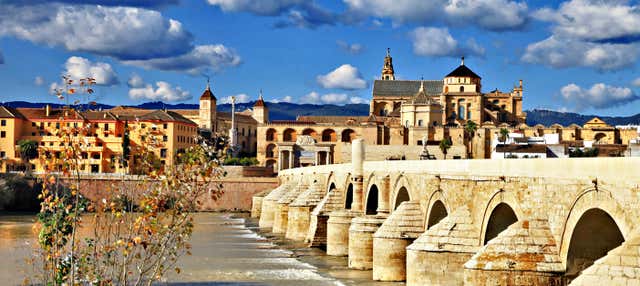
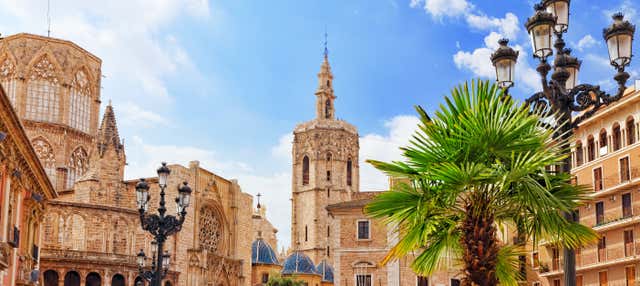
Spain: tours and tickets in Barcelona, Madrid, Seville, Granada, Córdoba, Valencia, from our booking partner.
It is not the same everywhere
Spain contains two climates that barely acknowledge each other — the green, Atlantic, reliably wet north from Galicia through Asturias to the Basque Country, where summer is the good season and rain falls on more than half the days in winter, and the dry Mediterranean south and interior, where Seville and Córdoba push past 40°C in high summer and rain is a rumour from June to September; the Canaries, meanwhile, sit off Africa and stay around 20–25°C every single month.
Getting around
The AVE high-speed network radiates from Madrid — Seville in 2h30, Barcelona in 2h30, Málaga in 2h40 — which makes the big cities easy without a car, but Andalusian white villages, the Basque coast and Galicia effectively require driving, and the Balearics and Canaries mean a flight or a ferry.
Crowds month by month across Spain
Averaged across the 8 destinations we cover — tap a month for the full picture.
Weather across Spain
Averaged across our destinations. The spread column shows how far apart the warmest and coolest are.
| # | Average high | Average low | Wet days | Spread |
|---|---|---|---|---|
| January | 15°C | 6°C | 6 | ±7° |
| February | 16°C | 6°C | 5 | ±5° |
| March | 19°C | 8°C | 5 | ±5° |
| April | 21°C | 10°C | 6 | ±5° |
| May | 25°C | 14°C | 5 | ±7° |
| June | 30°C | 18°C | 2 | ±8° |
| July | 33°C | 20°C | 1 | ±8° |
| August | 33°C | 21°C | 2 | ±8° |
| September | 29°C | 18°C | 4 | ±6° |
| October | 24°C | 14°C | 6 | ±5° |
| November | 19°C | 9°C | 6 | ±7° |
| December | 16°C | 6°C | 6 | ±7° |
More tours and tickets
More options from our booking partner.

Where we have data in Spain
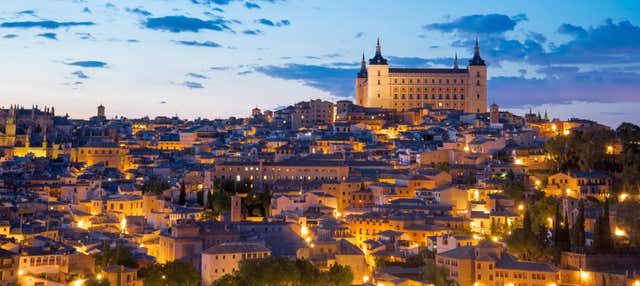
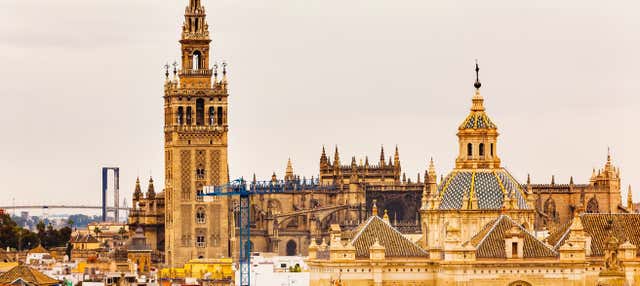
Each city has its own crowd calendar and twelve month pages.

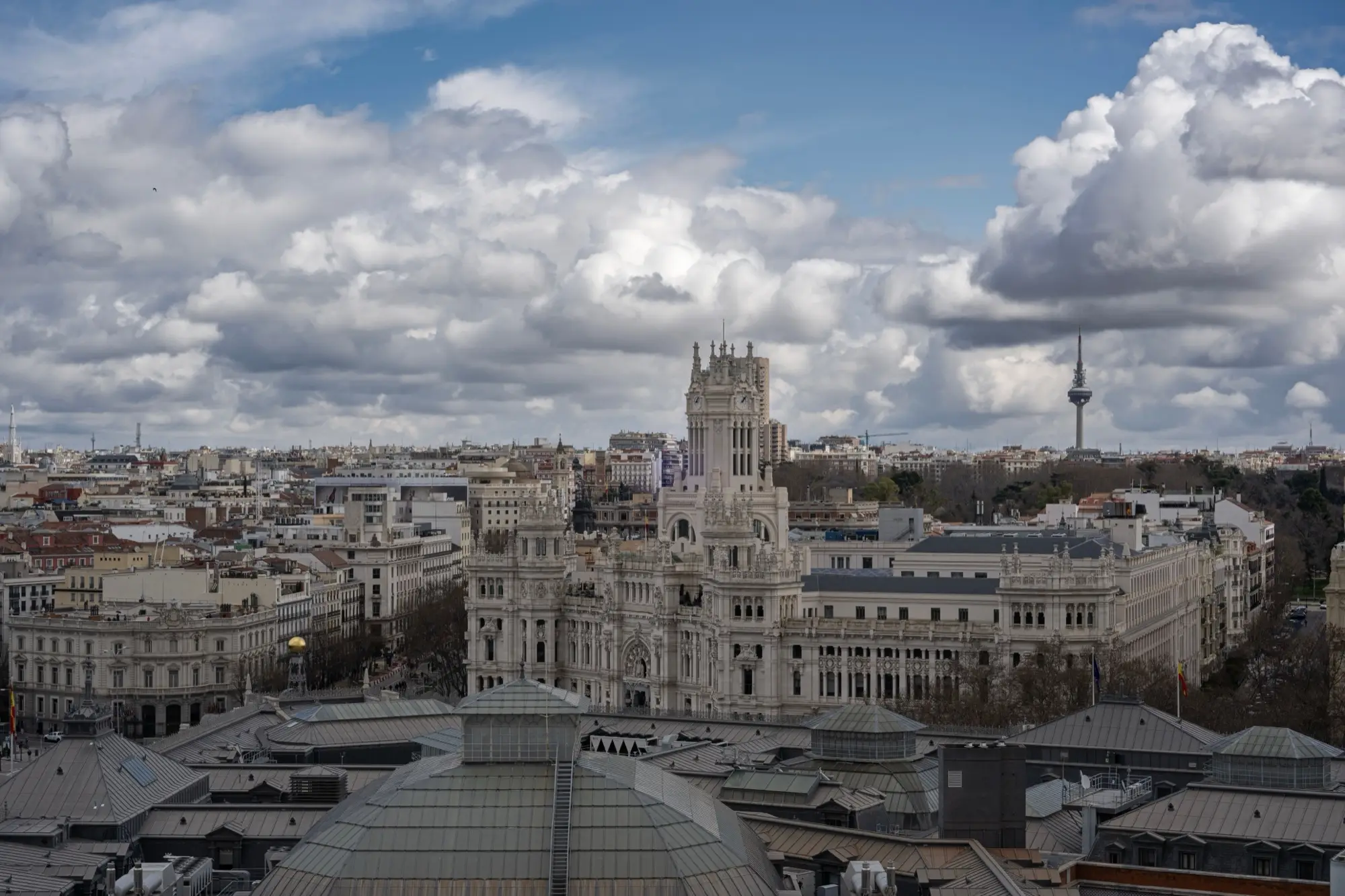
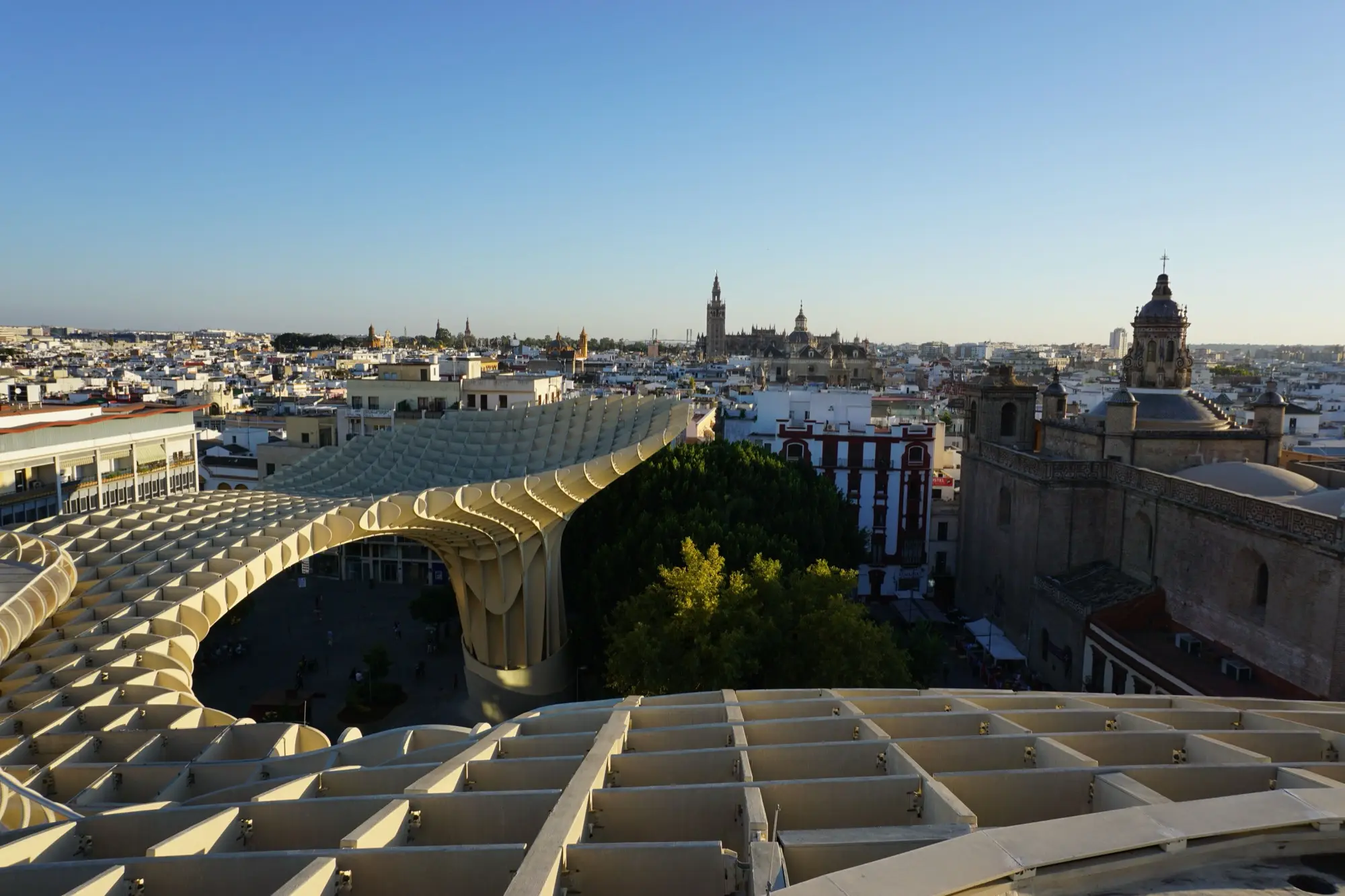
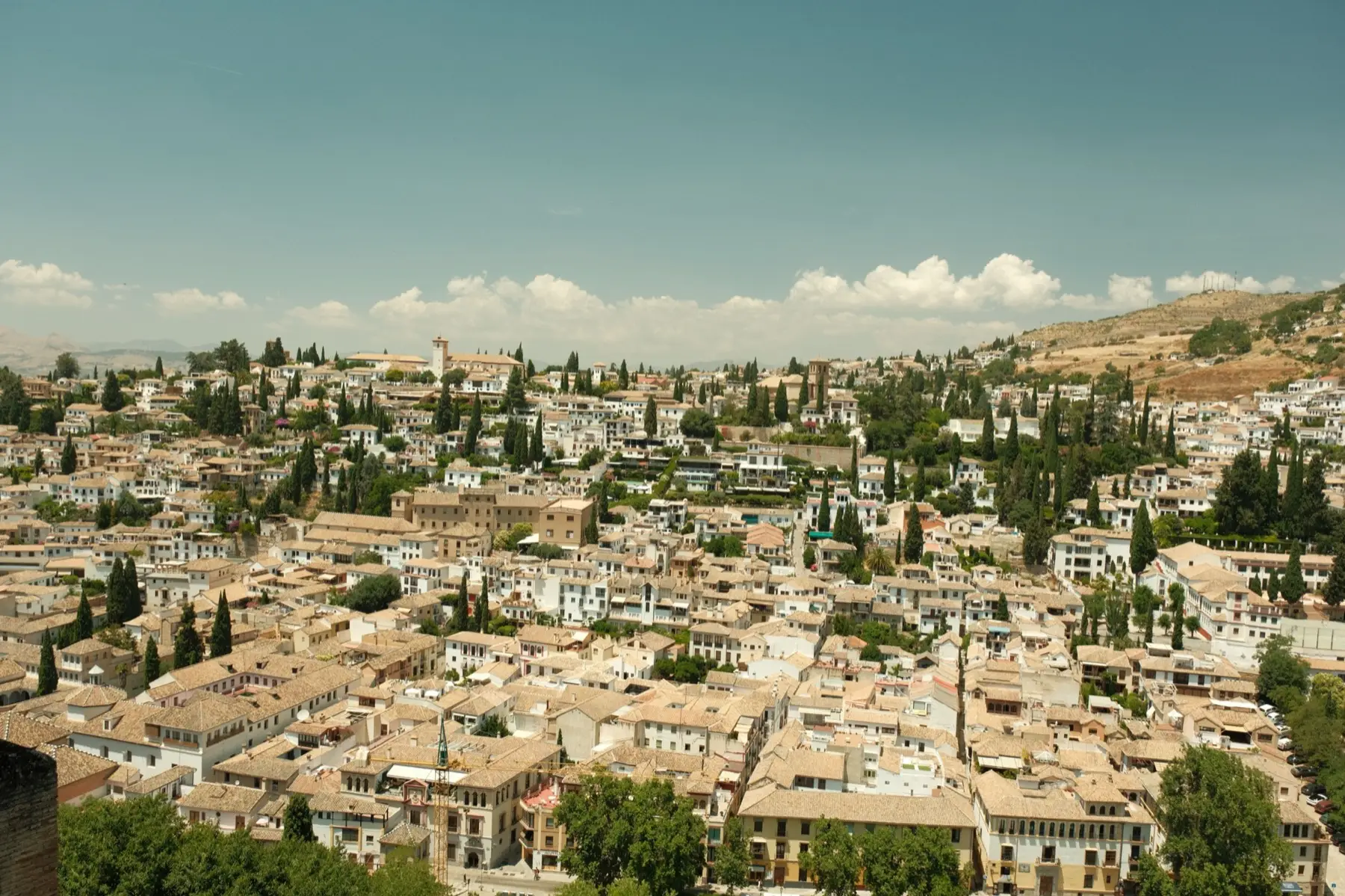
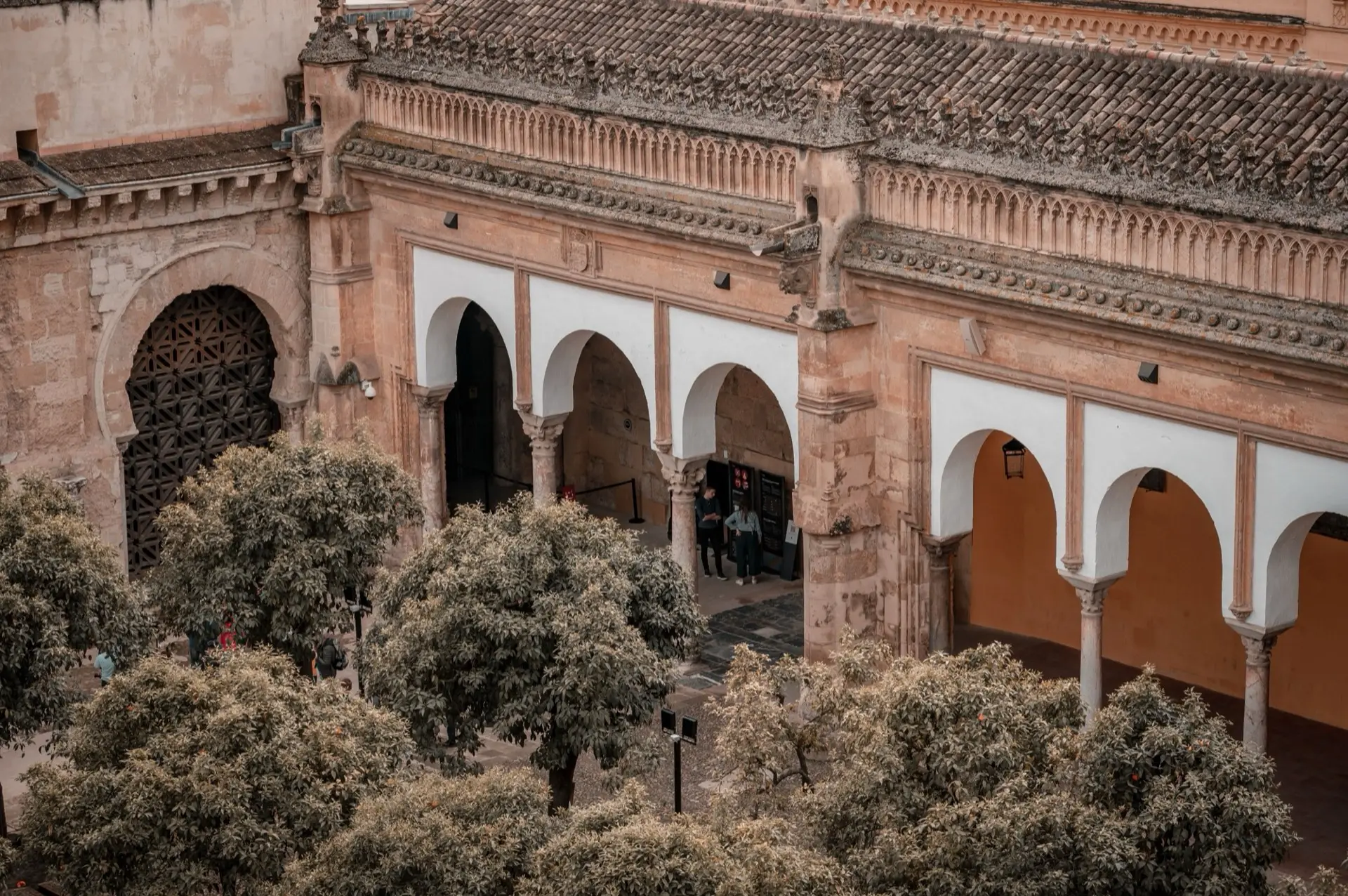
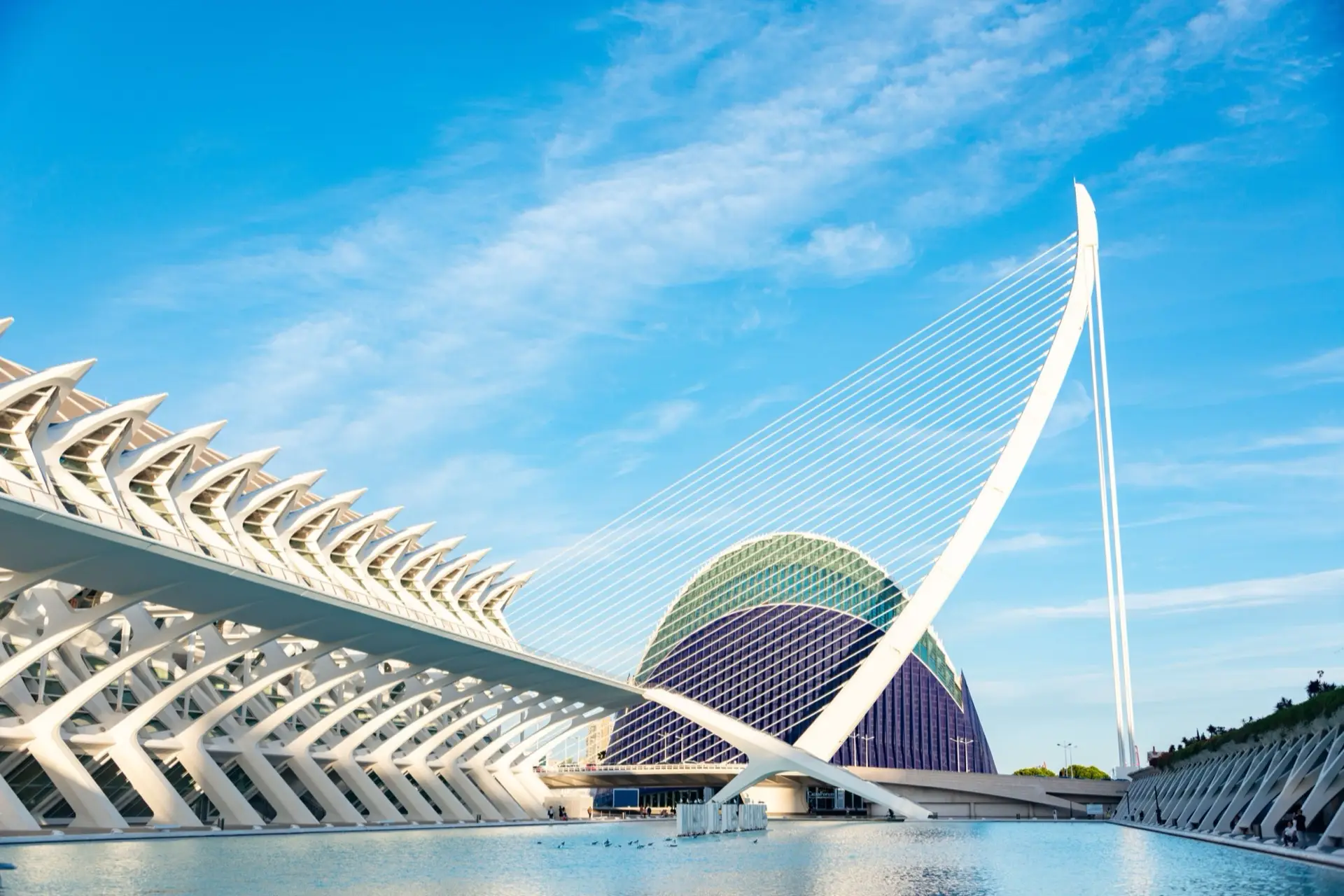

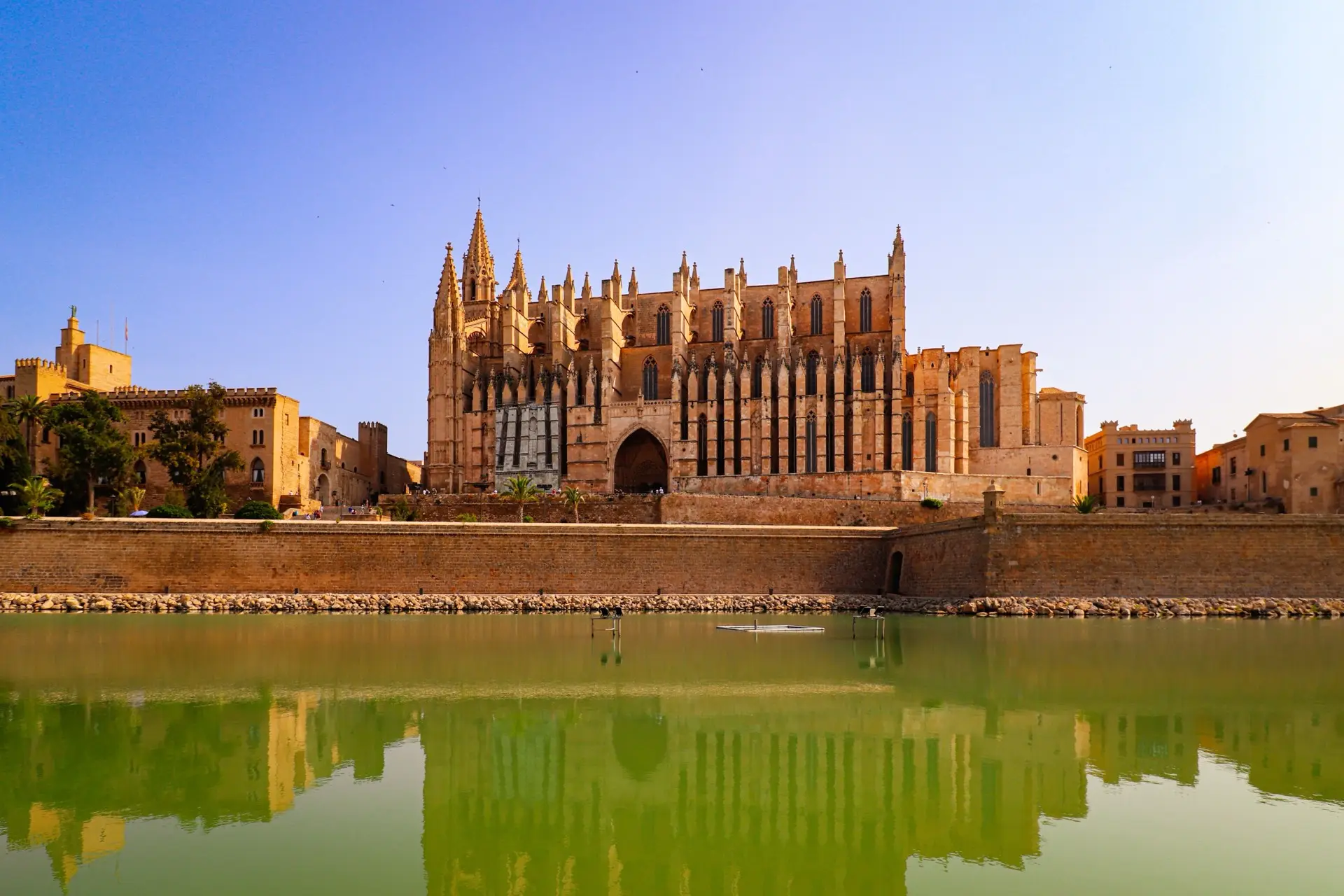
Every month in Spain
Country-level tips
- Spain stacks its holidays into puentes, or bridges: 6 January, 1 May, 15 August, 12 October, 1 November and the 6–8 December pair all generate long weekends when domestic hotel demand and motorway traffic spike without any foreign visitor being involved.
- Semana Santa is national and movable, falling anywhere between mid-March and late April; book accommodation in Andalusia three to six months ahead for it, or plan around it entirely.
- Renfe releases AVE tickets around two to three months before departure and the cheap Básico and Elige fares go first, while the low-cost operators Ouigo and Iryo on the Madrid–Barcelona and Madrid–Valencia lines undercut them if you book early.
- Spanish opening hours run late rather than long — many museums close on Mondays, small-town shops shut from roughly 14:00 to 17:00, and dinner service in most of the country does not really begin until 21:00.
Frequently asked questions
When is the best time to visit Spain?
The best time to visit Spain is around January, when crowds across the country sit near 37/100 and average highs are about 15°C.
What is the quietest month in Spain?
January is the quietest month across the destinations we track in Spain, averaging 37/100.
When is Spain most crowded?
Spain peaks in May, when domestic and international travel overlap.