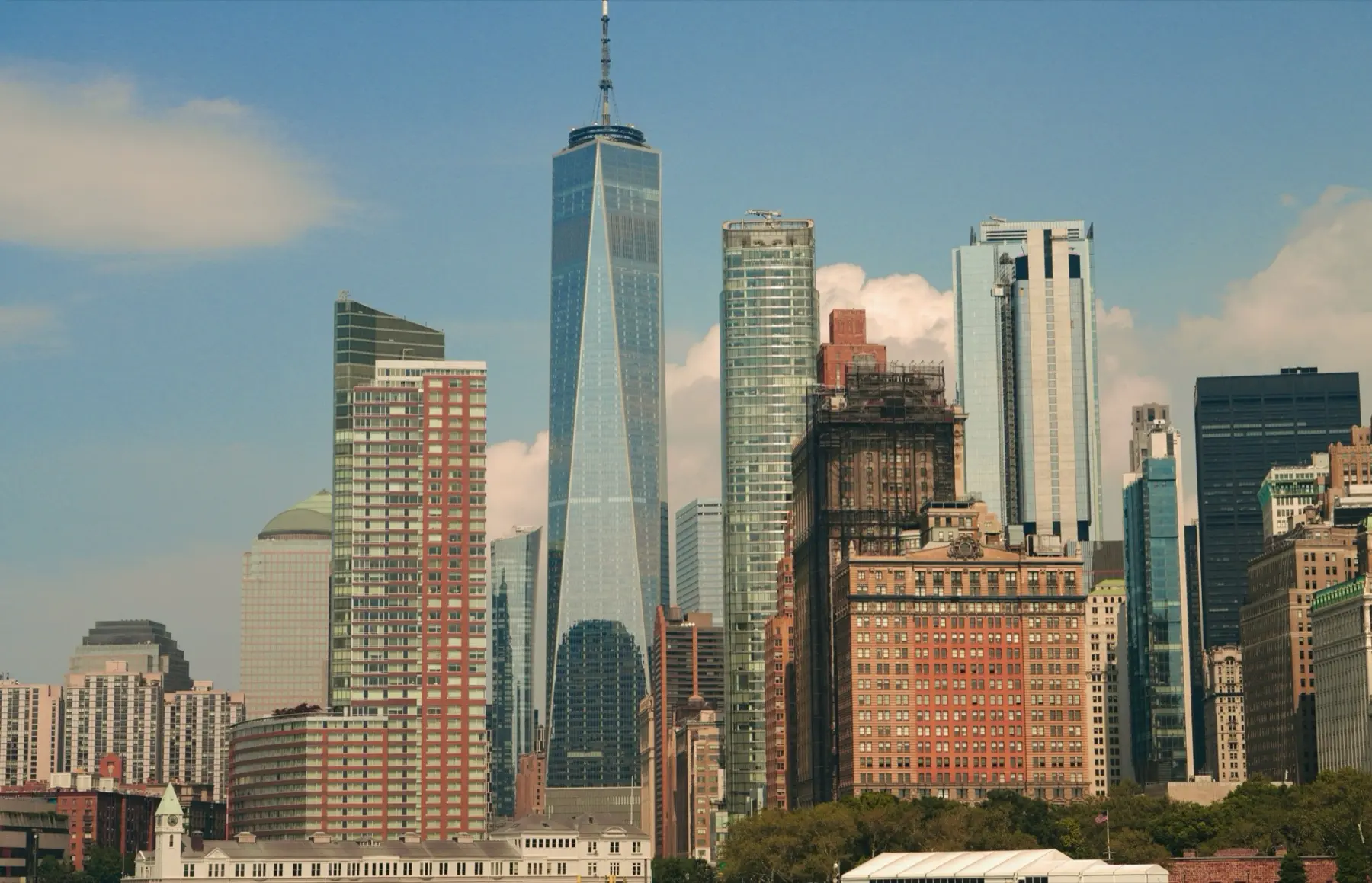
New York
The city empties for six weeks after the holidays — then never really stops again.
When to visit New York
New York is calmest in January and busiest in December. For the best balance of decent weather and smaller crowds, aim for February.
New York has two peaks and one real trough. Summer fills the city with international visitors and December turns midtown into a slow-moving river of holiday traffic, but the six weeks from early January to mid-February are the genuine off-season: cold, grey and remarkably open. Broadway rush tickets appear, hotel rates fall by half, and the big museums on a weekday morning feel like the private collections they once were.
The shoulder months reward anyone who can travel midweek. Late April and May bring reliable warmth before the summer humidity sets in, and September into October is arguably the best stretch of all — mild, dry, and busy with people who live here rather than tour groups. October crowds the parks and the High Line, but the galleries stay manageable.
Days of the week matter more here than months. A rainy Saturday pushes everyone indoors and the major museums jam at once, while the same institutions on a Wednesday in March feel like a different city. If you can only come in a peak month, moving your museum days to midweek does more for you than moving your trip by a season.
Book things to do
Tours and tickets in New York, from our booking partner.




Crowds month by month
Twelve months of New York at a glance — tap a month for the full picture.
Every month in New York
Weather, crowds and what’s on — one page per month.
Weather through the year
Typical highs, lows and wet days.
Best day of the week
How the crowd moves through a typical week.
Tue is normally the calmest day of the week.
Best time of day
The daily rhythm, hour by hour.
The 9:00 AM window is usually the calmest of the day.
Where the crowd gathers
A typical peak afternoon in the centre.
How long to stay
Four full days covers the headline sights without sprinting; five or six lets you give a whole day to one outer borough.
Local timing tips
- Lock in timed-entry slots for the Empire State Building, the Statue of Liberty ferry and Top of the Rock as soon as you have dates — those three walk-up lines are the longest in the city.
- The Staten Island Ferry is free, runs around the clock and passes the Statue of Liberty; it is the cheapest harbour view in New York.
- Several major museums close one weekday and stay open late on Fridays, so check the specific day before you build your itinerary around it.
- Fares on OMNY cap automatically after twelve rides in seven days, and the subway beats a taxi across Manhattan at almost every hour.
Attractions in New York

Frequently asked questions
When is the best time to visit New York?
The best time to visit New York is January, the quietest month of the year, or the shoulder weeks around February when the crowd eases but the weather still holds.
What is the cheapest and quietest month in New York?
January is the quietest month in New York, with a modelled crowd level near 36/100 and typical highs of 4°C.
When is New York most crowded?
New York peaks in December, when both visitor numbers and prices are at their highest.
How many days do you need in New York?
Four full days covers the headline sights without sprinting; five or six lets you give a whole day to one outer borough.
Other attractions


Photo: Denil Dominic · Pexels