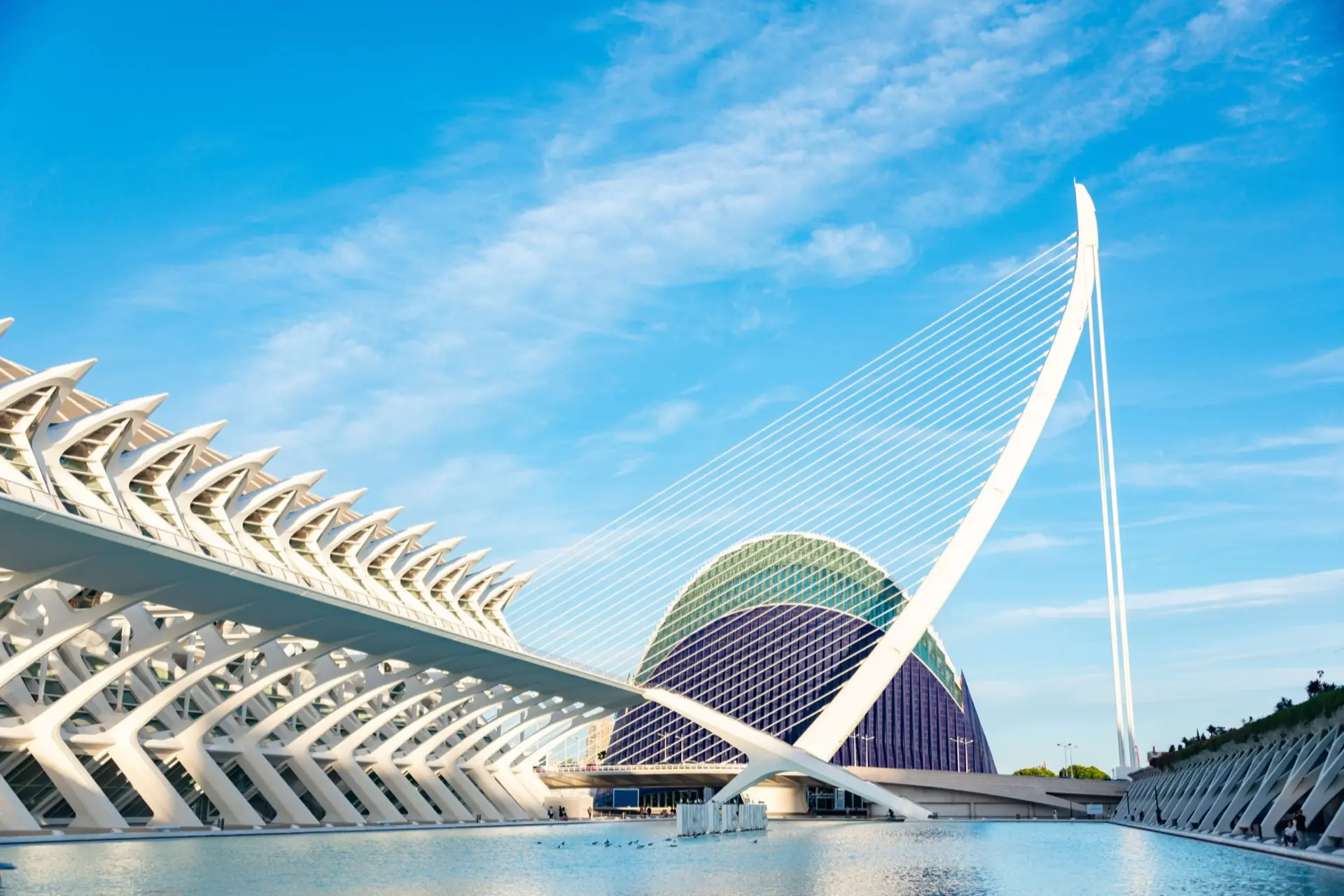
Valencia
Choose your March carefully: the Fallas are unforgettable, and the week before and after are simply pleasant.
When to visit Valencia
Valencia is calmest in January and busiest in August. For the best balance of decent weather and smaller crowds, aim for November.
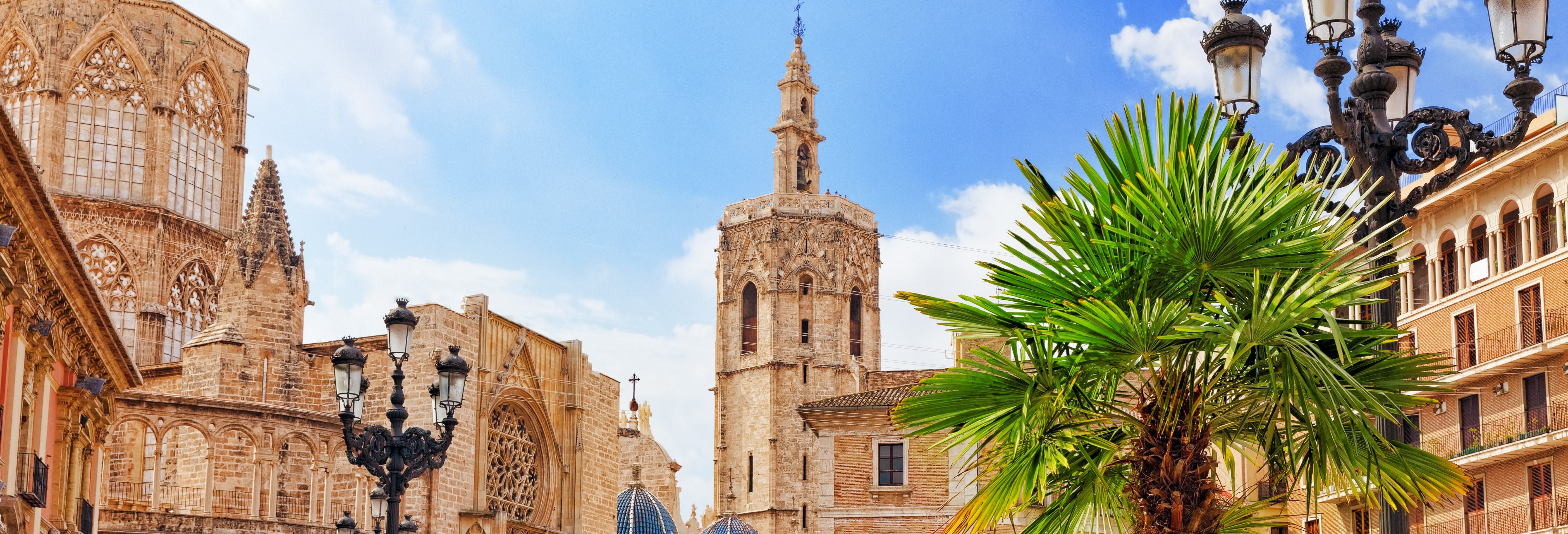
Valencia’s calendar has one explosive peak. Las Fallas, from 15 to 19 March, fills the city with enormous satirical sculptures, fireworks and the daily mascletà in the Plaza del Ayuntamiento, then burns the lot on the night of the 19th. Hotel prices during Fallas week are among the highest of the year and many streets close to traffic. If you want to see it, book early; if not, avoid those days.
The rest of the year follows a Mediterranean beach rhythm. July and August are hot and humid, with Spanish holidaymakers on the Malvarrosa and Patacona beaches. The old town, the Central Market and the City of Arts and Sciences are busiest in spring and early autumn.
Winter is the city’s underrated season. Days are often sunny and mild, around 17°C, and the Turia gardens, the cathedral and the museums are calm. November to February, outside Christmas, is the quietest time; April, May and October are the best balance of warmth and crowds.
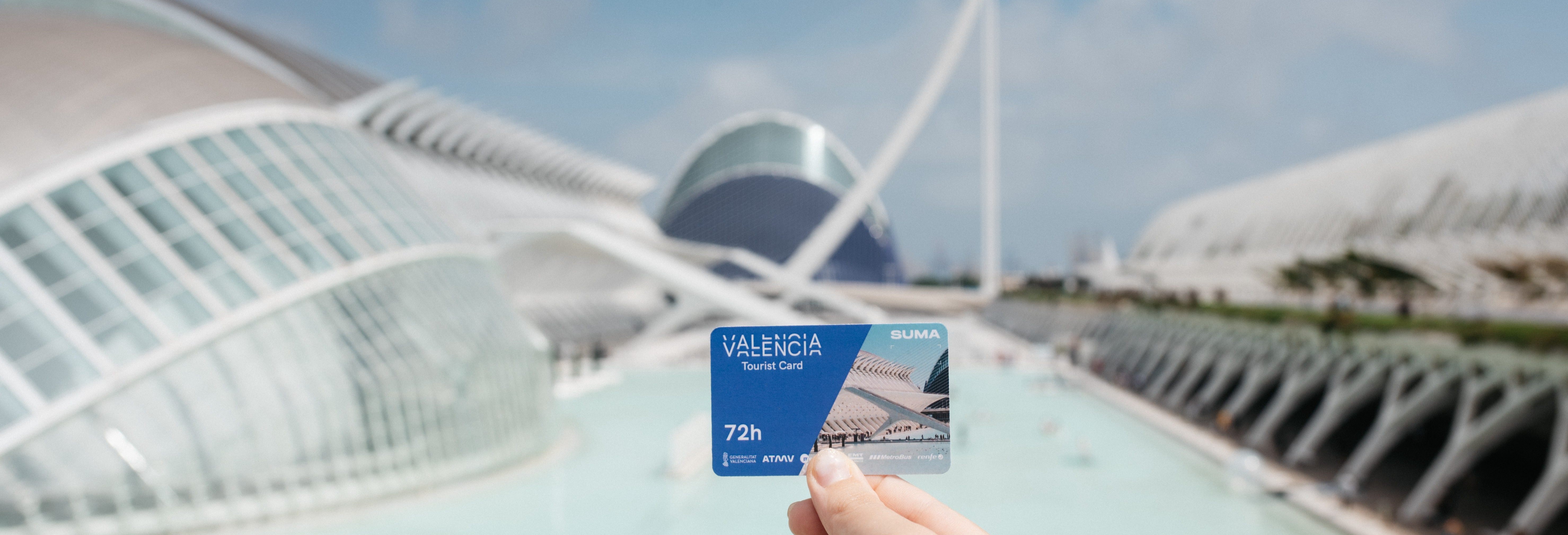
Book things to do
Tours and tickets in Valencia, from our booking partner.


Crowds month by month
Twelve months of Valencia at a glance — tap a month for the full picture.
Every month in Valencia
Weather, crowds and what’s on — one page per month.
Weather through the year
Typical highs, lows and wet days.
Best day of the week
How the crowd moves through a typical week.
Tue is normally the calmest day of the week.
Best time of day
The daily rhythm, hour by hour.
The 9:00 AM window is usually the calmest of the day.
Where the crowd gathers
A typical peak afternoon in the centre.
How long to stay
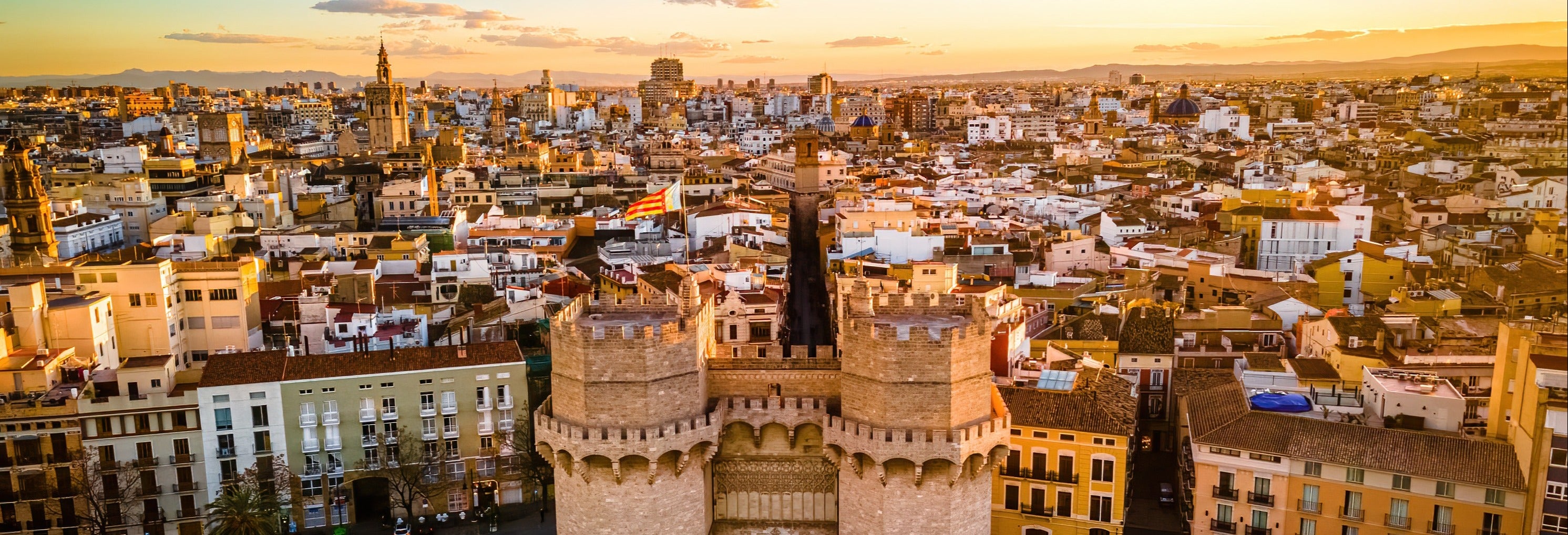
Three days: one for the old town and the Central Market, one for the City of Arts and Sciences and the Turia gardens, and one for the beach or the Albufera lagoon.
Local timing tips
- Rent a bike: the Turia gardens run for nine kilometres through the city, from the Bioparc to the City of Arts and Sciences, without traffic.
- The Central Market is busiest on Saturday mornings; go on a weekday before 11:00.
- For paella in the Albufera, book lunch in El Palmar and go by bus or taxi; it is eaten at midday, not in the evening.
- During Fallas, plan routes around closed streets and bring earplugs for the mascletà.
Frequently asked questions
When is the best time to visit Valencia?
The best time to visit Valencia is January, the quietest month of the year, or the shoulder weeks around November when the crowd eases but the weather still holds.
What is the cheapest and quietest month in Valencia?
January is the quietest month in Valencia, with a modelled crowd level near 38/100 and typical highs of 17°C.
When is Valencia most crowded?
Valencia peaks in August, when both visitor numbers and prices are at their highest.
How many days do you need in Valencia?
Three days: one for the old town and the Central Market, one for the City of Arts and Sciences and the Turia gardens, and one for the beach or the Albufera lagoon.
Sources
Weather: 1995–2024 averages from the Valencia weather station (NOAA GHCN-Daily); rain days count days with at least 1 mm.
Crowd scores are modelled estimates, not live counts.How the model works
Events, holidays and practical notes are checked against these official pages:
Other attractions
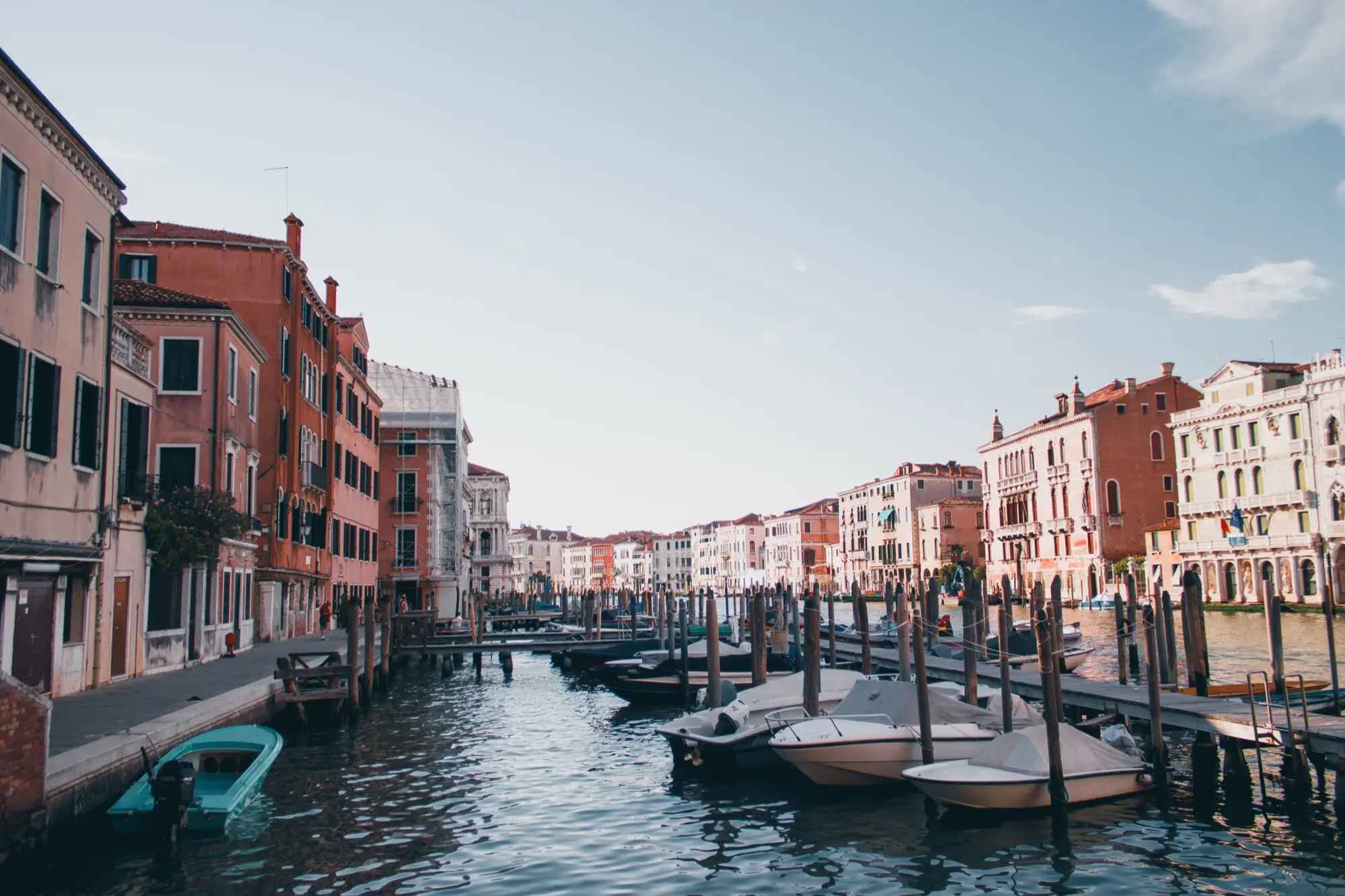
Photo: Diego F. Parra · Pexels