Rome
January and November hand the Forum back; Easter and August take it away.
When to visit Rome
Rome is calmest in January and busiest in July. For the best balance of decent weather and smaller crowds, aim for February.
Rome runs two peaks and one deep trough. The first peak is Easter, when St Peter’s Square fills for the papal calendar and Italian and European school groups converge on the Colosseum at the same time. The second is the long summer, June to August, when the heat is severe and the numbers barely dip for it. Because the headline sites cluster inside a 3 km circle, a busy month hits all of them simultaneously — there is no quieter alternative to escape to.
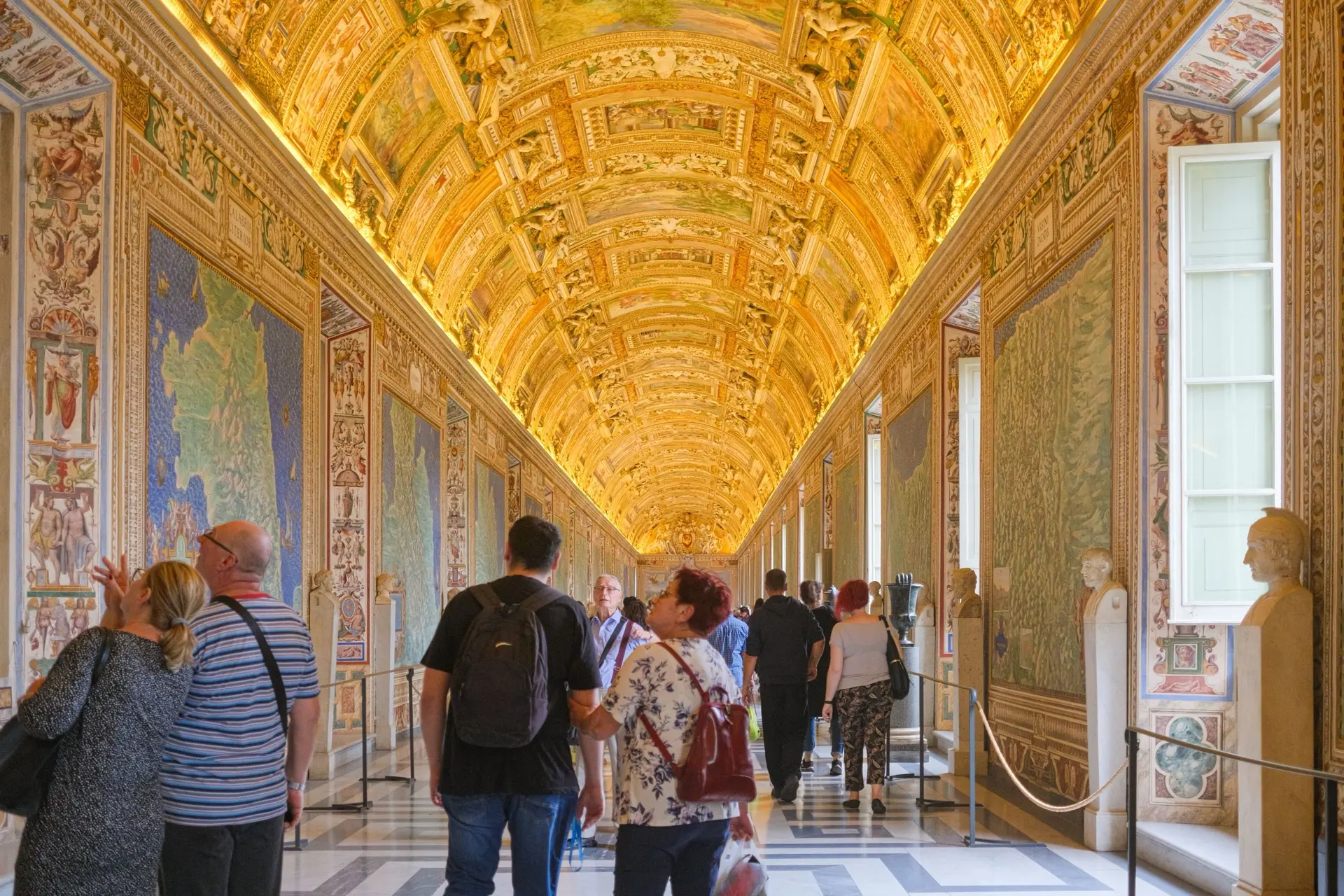
The trough is real and worth planning for. January, February and late November are when Rome feels like a working Italian city rather than an open-air queue. It is cold and often wet, but the Vatican Museums move in minutes rather than hours, restaurant tables need no booking, and the low winter light across the Forum is the best photographic condition of the year.
If you want both decent weather and elbow room, aim for the second half of September or the first half of October. Temperatures stay in the low-to-mid twenties, the school-trip season has not restarted, and the coach volume is visibly down from August. Whatever month you choose, the single biggest lever is starting each day at opening time: the difference between 8am and 11am at the Forum is larger than the difference between April and November.
Book things to do
Tours and tickets in Rome, from our booking partner.
 Free cancellation
 Free cancellation
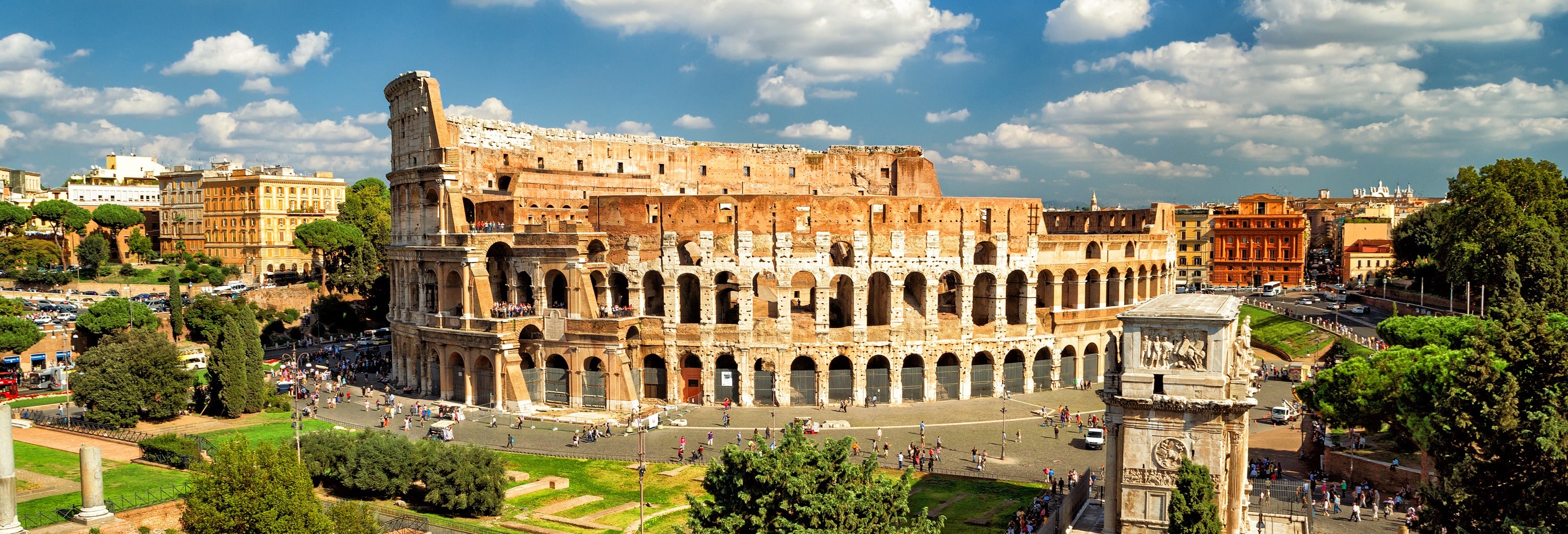
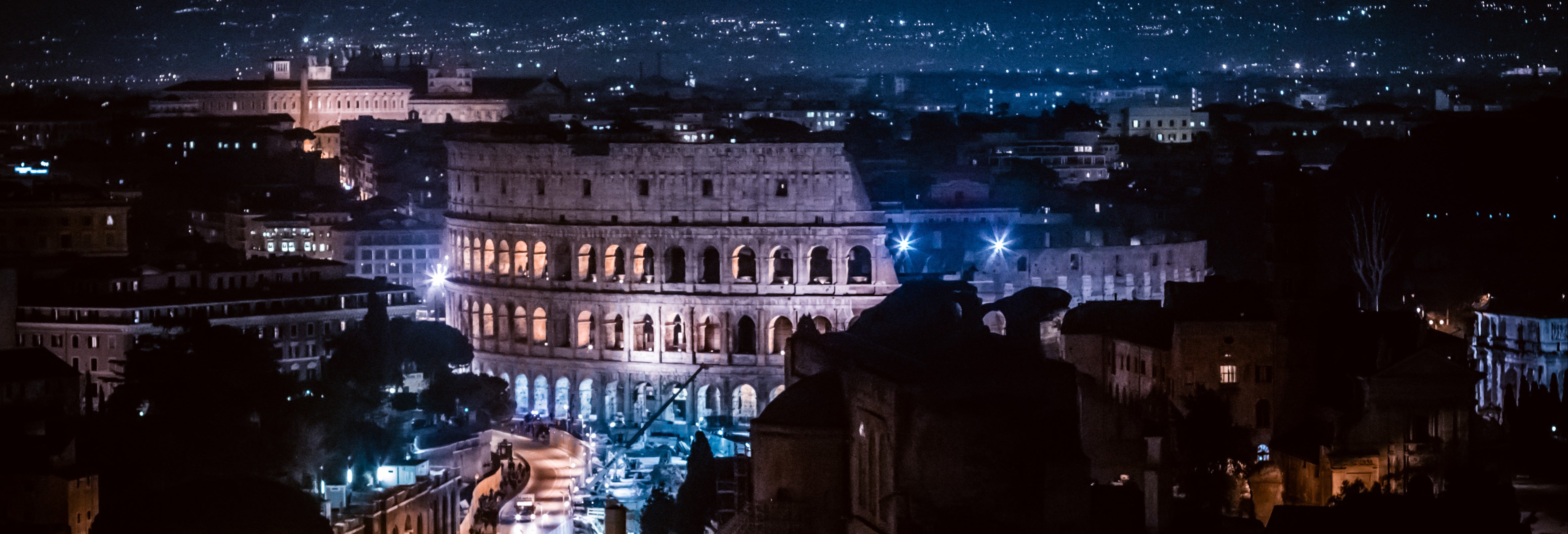 Free cancellation
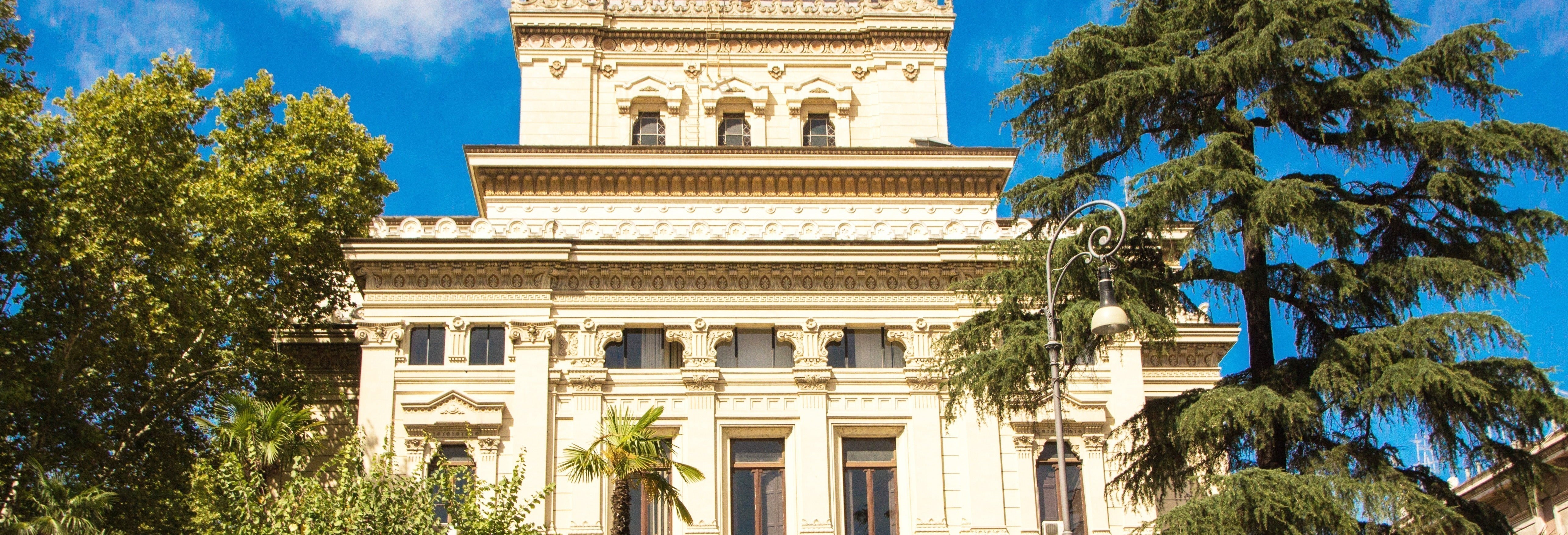 Free cancellation
Crowds month by month
Twelve months of Rome at a glance — tap a month for the full picture.
Every month in Rome
Weather, crowds and what’s on — one page per month.
Weather through the year
Typical highs, lows and wet days.
Best day of the week
How the crowd moves through a typical week.
Tue is normally the calmest day of the week.
Best time of day
The daily rhythm, hour by hour.
The 9:00 AM window is usually the calmest of the day.
Where the crowd gathers
A typical peak afternoon in the centre.
How long to stay
Three full days is the practical minimum for the Vatican, the Colosseum and the centre; five lets you slow down and add Ostia Antica or the Appian Way.
Local timing tips
- The Vatican Museums open late on Friday evenings for most of the year and are far calmer then than at any morning slot.
- St Peter’s Basilica is free and entirely separate from the museums — the security queue is shortest before 8am or after 4pm.
- Colosseum tickets go on sale on the official park site exactly 30 days ahead; resellers clear the good slots within hours of release.
- Refill your bottle at the street nasoni fountains — the water is drinkable, cold, and there are thousands of them.
Attractions in Rome
Frequently asked questions
When is the best time to visit Rome?
The best time to visit Rome is January, the quietest month of the year, or the shoulder weeks around February when the crowd eases but the weather still holds.
What is the cheapest and quietest month in Rome?
January is the quietest month in Rome, with a modelled crowd level near 40/100 and typical highs of 12°C.
When is Rome most crowded?
Rome peaks in July, when both visitor numbers and prices are at their highest.
How many days do you need in Rome?
Three full days is the practical minimum for the Vatican, the Colosseum and the centre; five lets you slow down and add Ostia Antica or the Appian Way.
Other attractions
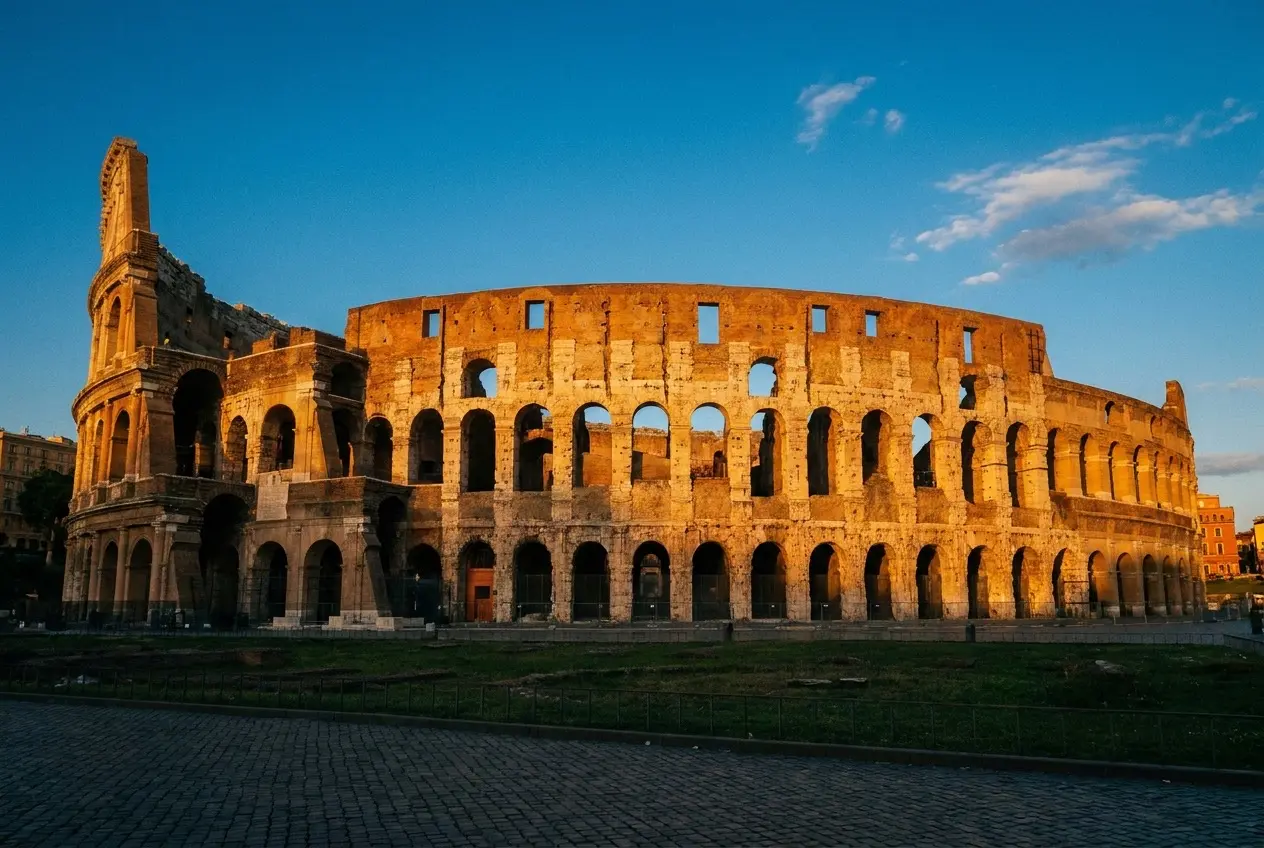
Photo: AXP Photography · Pexels