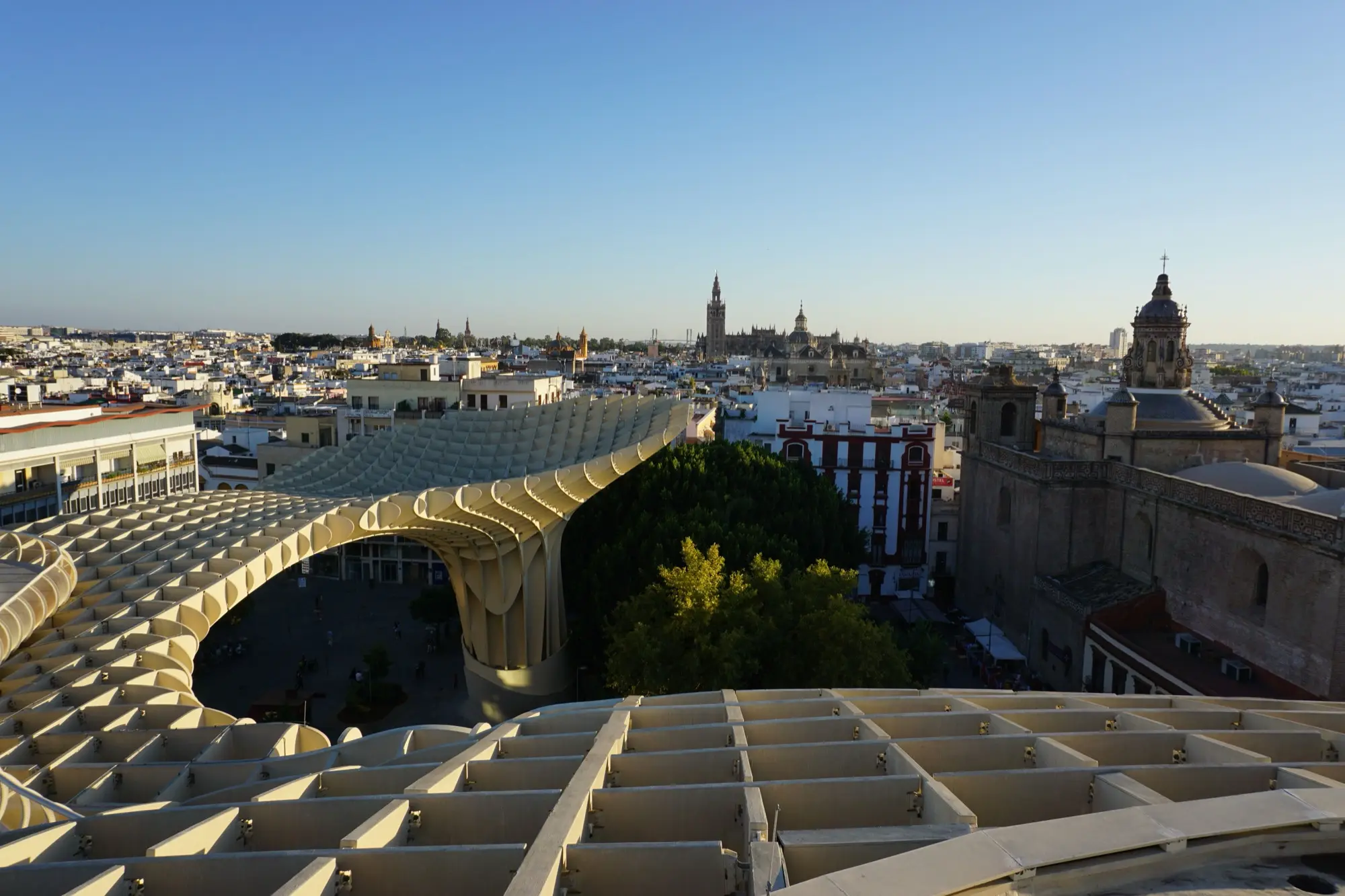
Seville
The summer inverts here — July empties the city and April fills every last room.
When to visit Seville
Seville is calmest in August and busiest in April. For the best balance of decent weather and smaller crowds, aim for July.
Seville runs the opposite calendar to almost everywhere else in Europe. Its peak is spring, not summer, and the reason is heat: July and August routinely reach 36–37°C in the Guadalquivir basin, with 40°C common in a hot spell and overnight lows that stay above 20°C. Sevillanos who can leave for the coast; a good share of the neighbourhood bars close for the month; and visitor numbers fall to their annual low. The Alcázar in August is quieter than the Alcázar in October.
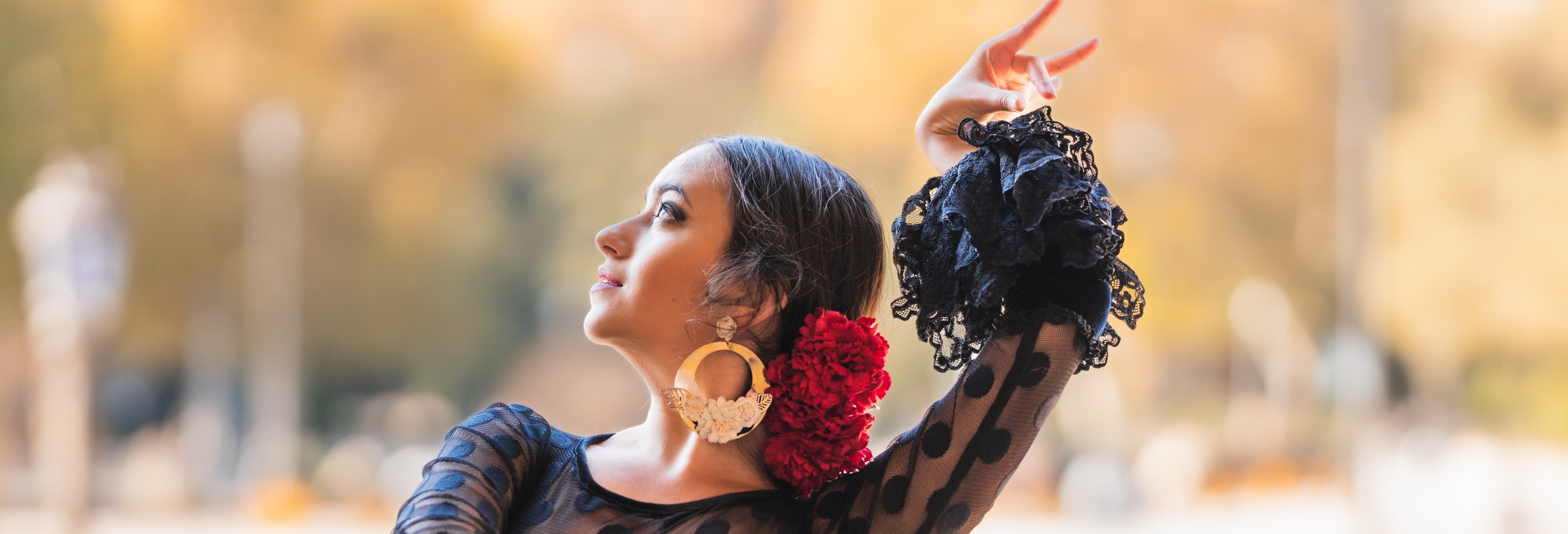
The spring peak is driven by two movable events that between them define the local year. Semana Santa fills the centre for a full week with brotherhood processions that block the streets from afternoon until the early hours, and the Feria de Abril, two weeks after Easter, takes over the Los Remedios fairground with a week of casetas, horses and sherry. Depending on where Easter falls, this can push the peak anywhere from mid-March to early May, and it is worth checking the dates before booking anything: rooms triple in price and sell out months ahead.
For a first visit, October and November are the underrated months — 26°C then 20°C, the orange trees still green, and the Alcázar and cathedral bookable a day or two ahead. March before Holy Week and late May are the other good windows. If you do come in high summer, accept the local rhythm rather than fighting it: outdoor sights before eleven, a long lunch, nothing at all between two and six, and the city back on its feet after nine.
Book things to do
Tours and tickets in Seville, from our booking partner.

Crowds month by month
Twelve months of Seville at a glance — tap a month for the full picture.
Every month in Seville
Weather, crowds and what’s on — one page per month.
Weather through the year
Typical highs, lows and wet days.
Best day of the week
How the crowd moves through a typical week.
Tue is normally the calmest day of the week.
Best time of day
The daily rhythm, hour by hour.
The 9:00 AM window is usually the calmest of the day.
Where the crowd gathers
A typical peak afternoon in the centre.
How long to stay
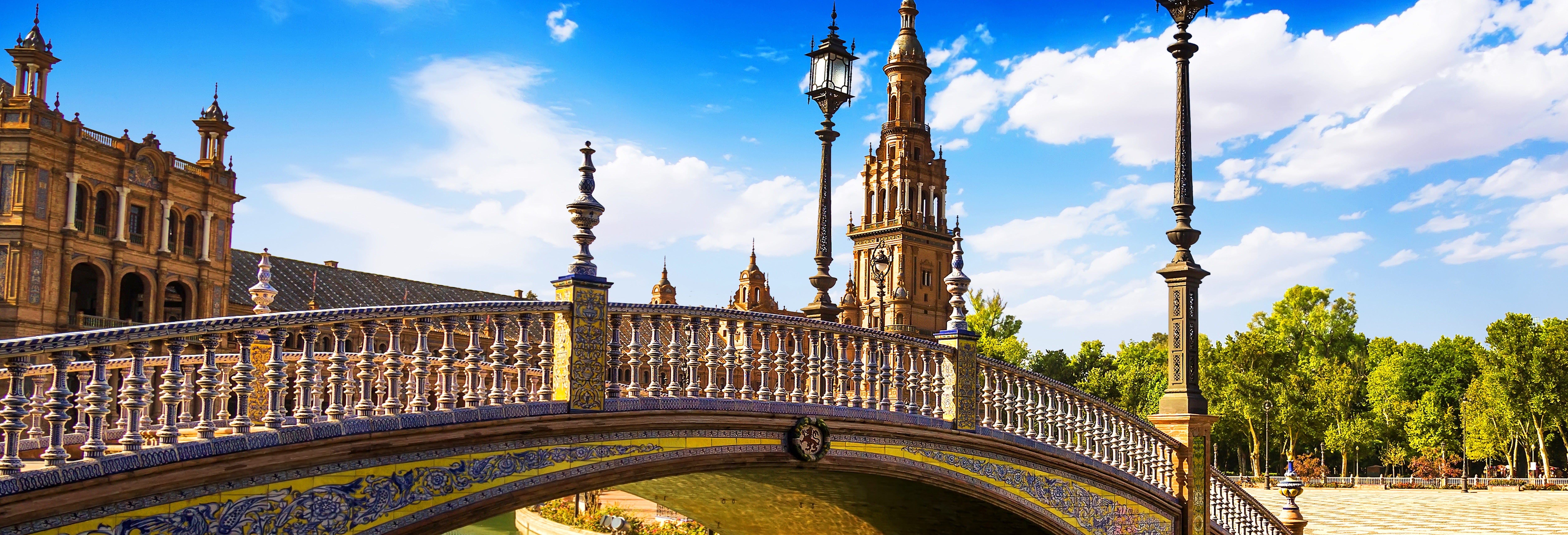
Two full days covers the cathedral, the Alcázar and Santa Cruz; three lets you add Triana, the Metropol and a slower pace in the heat.
Local timing tips
- Alcázar tickets are timed and released online about three months ahead; the first slot of the day is both the coolest and the only time the gardens are quiet.
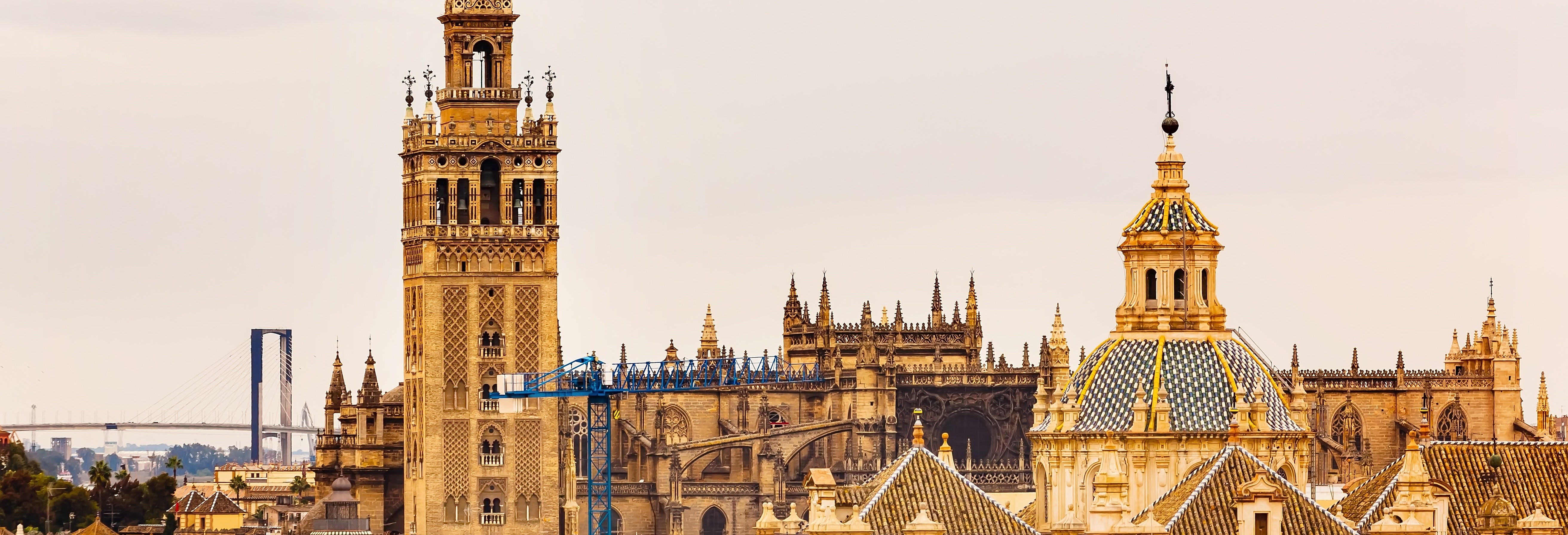
- The cathedral and the Giralda share one ticket that also covers the Salvador church — and entry is free for a limited slot on Monday afternoons if you book it.
- Between June and September, plan around the heat rather than the clock: nothing outdoors between two and six, and dinner no earlier than nine.
- If your dates fall near Semana Santa or the Feria, check the exact movable dates before booking — the same hotel room can cost three times as much that week.
Attractions in Seville
Frequently asked questions
When is the best time to visit Seville?
The best time to visit Seville is August, the quietest month of the year, or the shoulder weeks around July when the crowd eases but the weather still holds.
What is the cheapest and quietest month in Seville?
August is the quietest month in Seville, with a modelled crowd level near 30/100 and typical highs of 36°C.
When is Seville most crowded?
Seville peaks in April, when both visitor numbers and prices are at their highest.
How many days do you need in Seville?
Two full days covers the cathedral, the Alcázar and Santa Cruz; three lets you add Triana, the Metropol and a slower pace in the heat.
Other attractions
Photo: Marian Florinel Condruz · Pexels