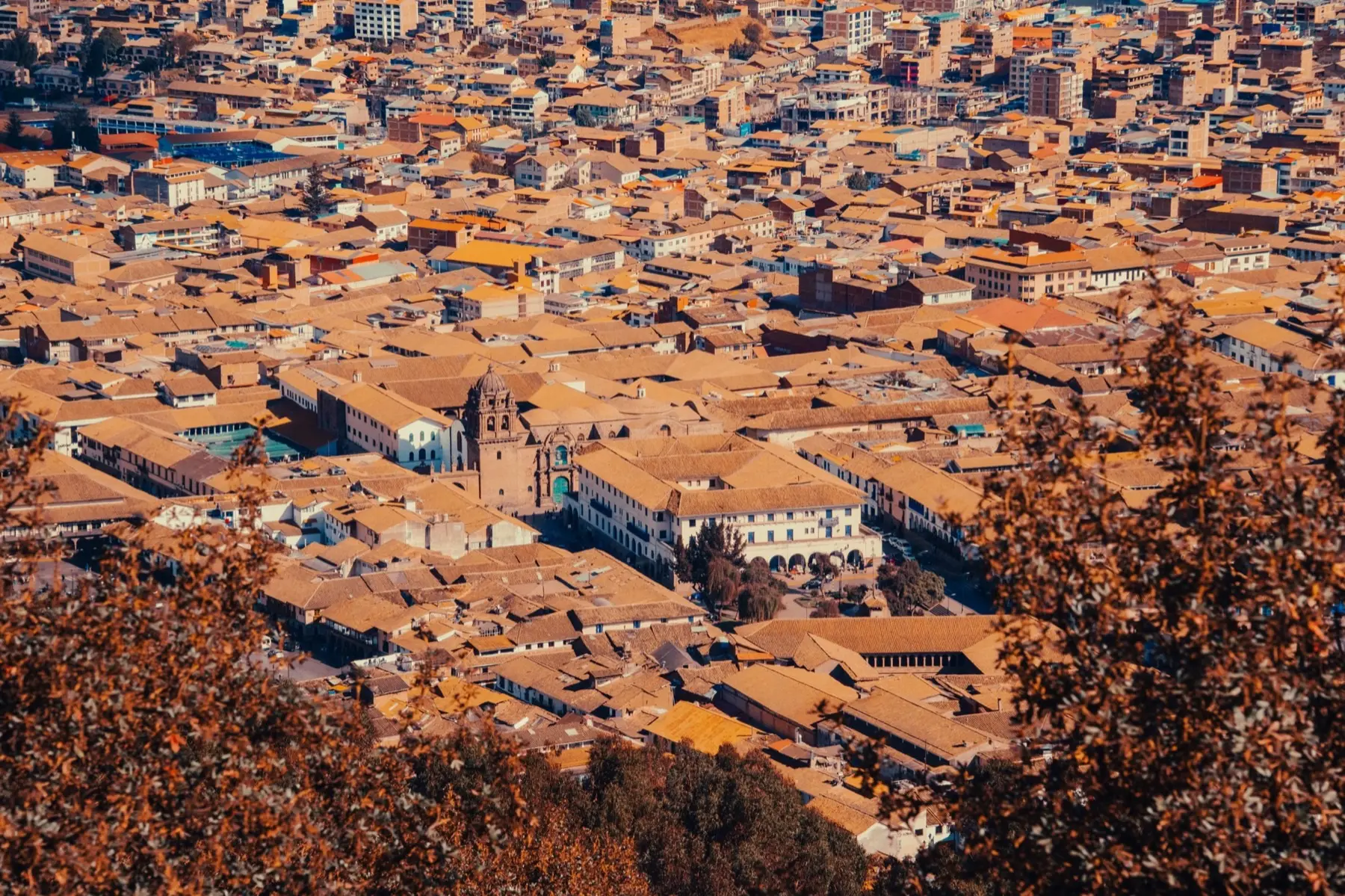
Cusco
The Andean dry season runs June to August — and February closes the Inca Trail entirely.
When to visit Cusco
Cusco is calmest in February and busiest in July. For the best balance of decent weather and smaller crowds, aim for January.
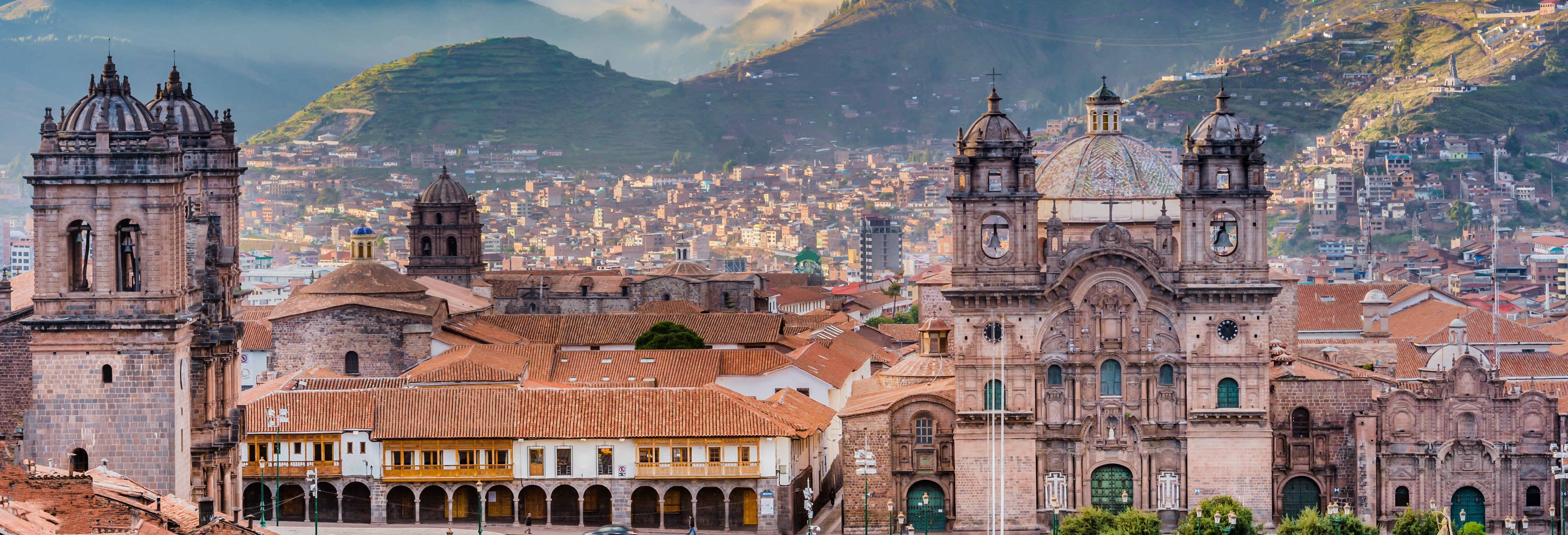
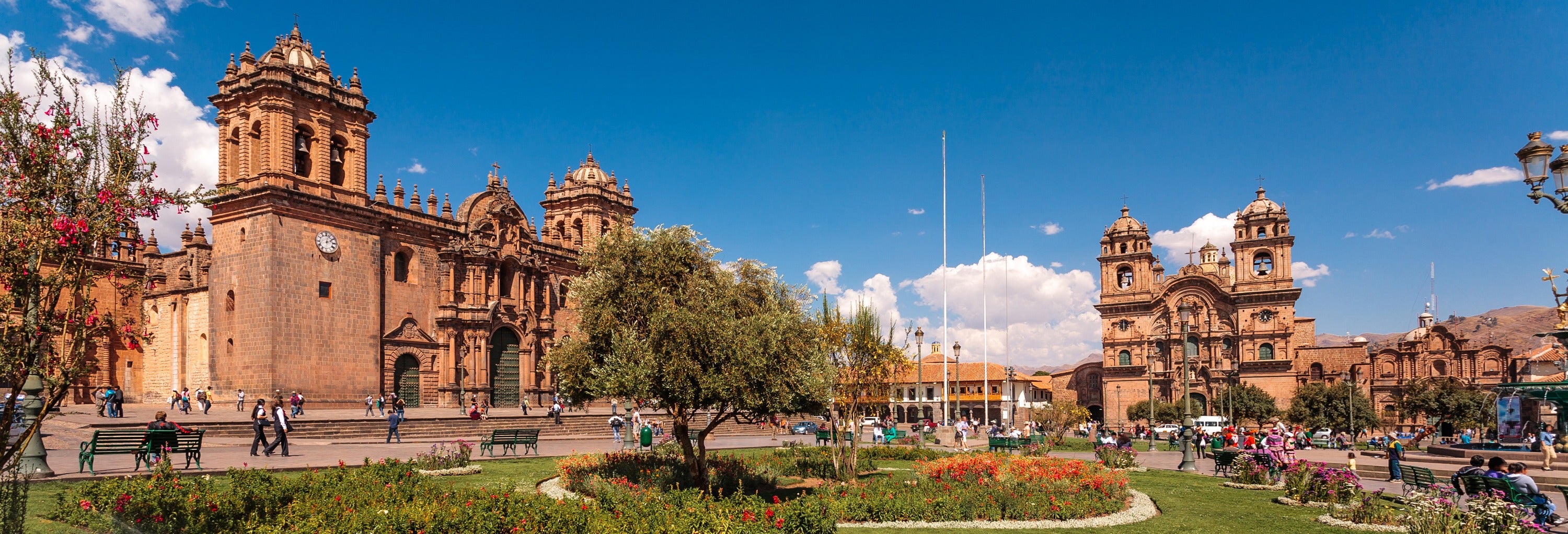
Cusco runs on a two-season Andean calendar that has almost nothing to do with temperature. Daytime highs sit near 20°C all year; what changes is the rain. The dry season from May to September brings clear mornings, fierce sun and freezing nights, and it is when almost everyone comes — June, July and August fill the Plaza de Armas, Inca Trail permits sell out months ahead, and Machu Picchu runs at its ticket cap.
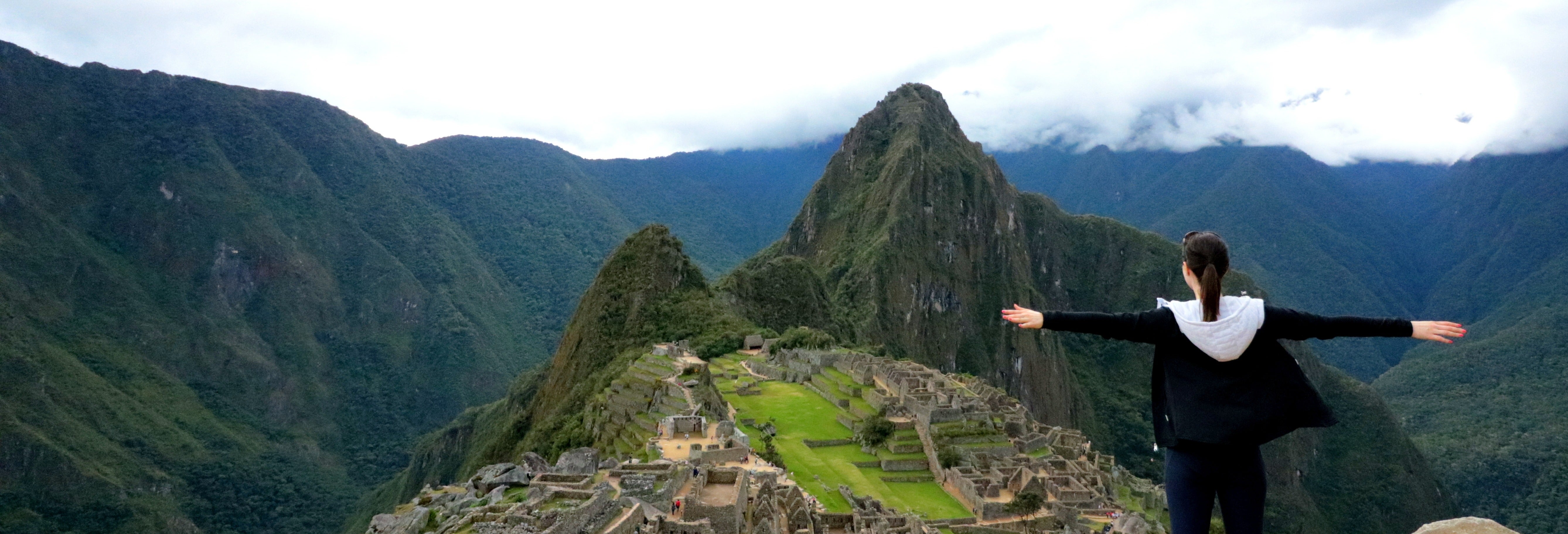
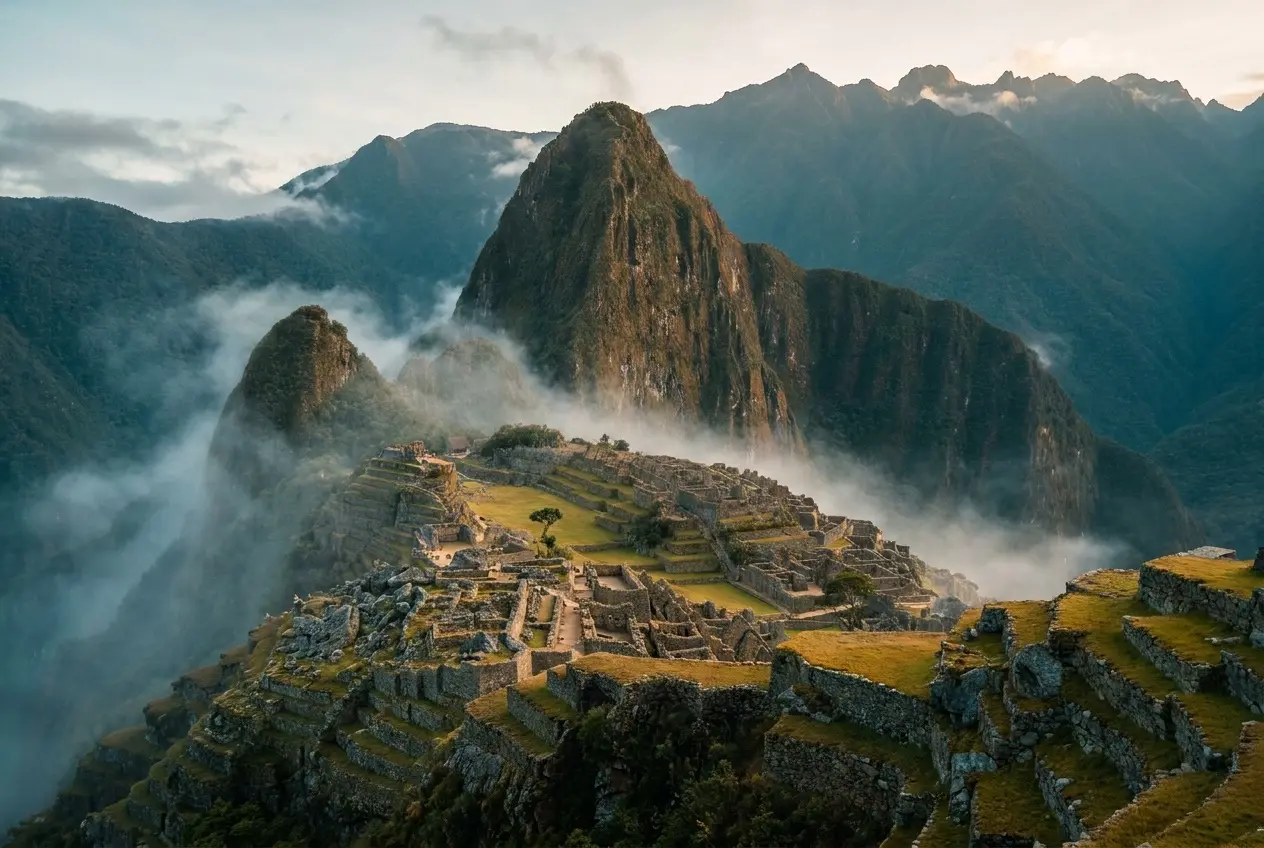
The wet season, roughly November to March, is genuinely wet: fifteen to eighteen rainy days a month, cloud on the ruins and landslide risk on the mountain roads. February is the extreme — the Inca Trail closes for the entire month for maintenance, though Machu Picchu itself stays open and the Salkantay and Lares routes keep running. In exchange you get green terraces, empty sites and half-price hotels.
The shoulder weeks are the intelligent compromise. April and early May catch the tail of the rains with the landscape at its greenest and the crowd not yet arrived; late September and October dry out again as the peak disperses. Whenever you come, budget two nights before any serious walking — at 3,400 metres the altitude, not the weather, is the real constraint.
Book things to do
Tours and tickets in Cusco, from our booking partner.
Crowds month by month
Twelve months of Cusco at a glance — tap a month for the full picture.
Every month in Cusco
Weather, crowds and what’s on — one page per month.
Weather through the year
Typical highs, lows and wet days.
Best day of the week
How the crowd moves through a typical week.
Tue is normally the calmest day of the week.
Best time of day
The daily rhythm, hour by hour.
The 9:00 AM window is usually the calmest of the day.
Where the crowd gathers
A typical peak afternoon in the centre.
How long to stay
Five nights minimum: two acclimatising in the Sacred Valley, one for Cusco itself, and two around Machu Picchu.
Local timing tips
- Sleep lower than Cusco for your first two nights — Urubamba and Ollantaytambo sit around 600 metres below the city and make acclimatising far easier.
- Machu Picchu tickets are sold by circuit and entry hour under a daily cap; buy through the official government site well ahead for June to August and take a slot before the Cusco trains arrive.
- Nights are cold all year and most colonial buildings have no heating, so pack a real fleece even in the middle of the dry season.
- The Boleto Turístico is the only way into most Sacred Valley ruins and several Cusco museums — they do not sell individual entries at the gate.
Attractions in Cusco
Frequently asked questions
When is the best time to visit Cusco?
The best time to visit Cusco is February, the quietest month of the year, or the shoulder weeks around January when the crowd eases but the weather still holds.
What is the cheapest and quietest month in Cusco?
February is the quietest month in Cusco, with a modelled crowd level near 30/100 and typical highs of 19°C.
When is Cusco most crowded?
Cusco peaks in July, when both visitor numbers and prices are at their highest.
How many days do you need in Cusco?
Five nights minimum: two acclimatising in the Sacred Valley, one for Cusco itself, and two around Machu Picchu.
Other attractions

Photo: Marcelo Mora · Pexels