
Rio de Janeiro
Rio’s summer is December to March — and Carnival is the week nothing else matters.
When to visit Rio de Janeiro
Rio de Janeiro is calmest in June and busiest in February. For the best balance of decent weather and smaller crowds, aim for August.
Rio sits deep in the southern hemisphere, so the calendar runs backwards from the northern one. December through February is high summer: 30°C, humid, beaches packed with cariocas on holiday, and prices at their annual ceiling. Carnival — movable, falling in February or early March — is the absolute peak, when accommodation is booked months ahead and the city runs on street blocos from breakfast onwards.
The best-kept secret is the southern winter. June, July and August bring dry, clear days around 25°C, the lowest humidity of the year, and the sharpest views from Sugarloaf and Corcovado precisely because the cloud that hides Christ the Redeemer through summer has gone. Beaches are quiet on weekdays and the sea is cool but perfectly swimmable.
The awkward months are the wet shoulders either side of summer. October and November bring afternoon storms and rising humidity without the festival energy, and March can still be soaking. If your priority is the postcard view rather than the beach scene, aim for winter; if it is the beach and the parties, accept the crowd and come in January.
Book things to do
Tours and tickets in Rio de Janeiro, from our booking partner.

 Free cancellation

 Free cancellation
Crowds month by month
Twelve months of Rio de Janeiro at a glance — tap a month for the full picture.
Every month in Rio de Janeiro
Weather, crowds and what’s on — one page per month.
Weather through the year
Typical highs, lows and wet days.
Best day of the week
How the crowd moves through a typical week.
Tue is normally the calmest day of the week.
Best time of day
The daily rhythm, hour by hour.
The 9:00 AM window is usually the calmest of the day.
Where the crowd gathers
A typical peak afternoon in the centre.
Cruise days change everything
Rio de Janeiro is a cruise port. On ship days the centre fills between mid-morning and late afternoon, then empties again.
How long to stay
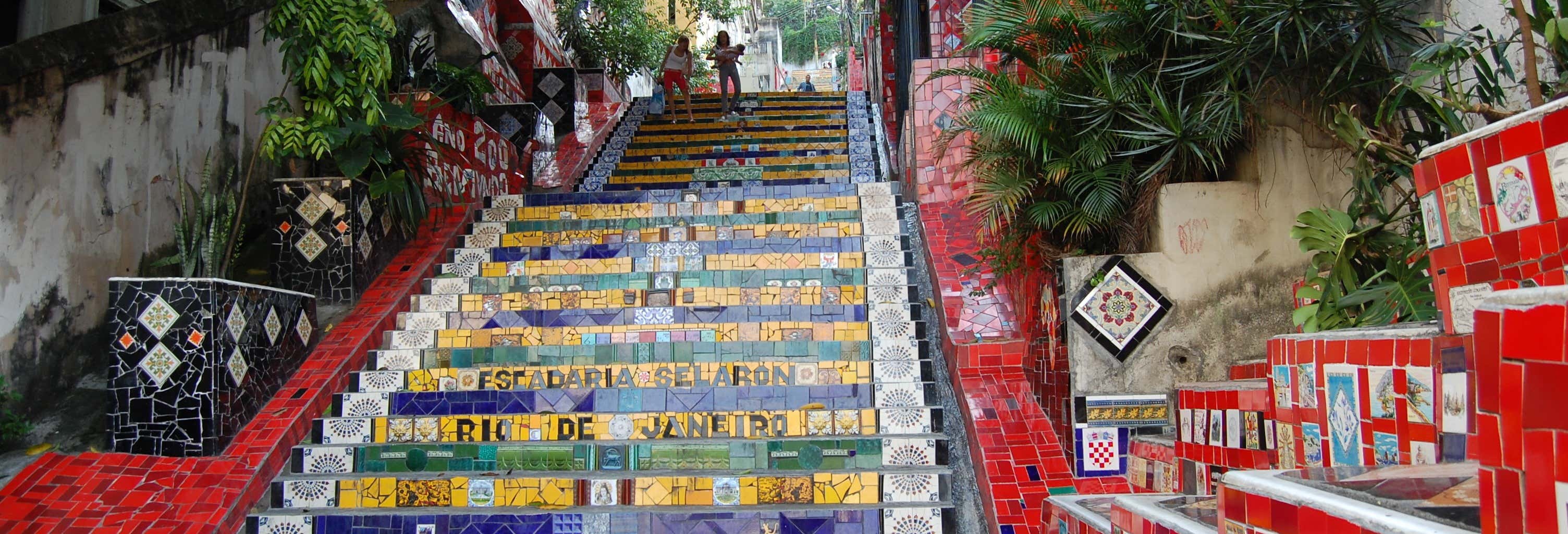
Four days covers Christ the Redeemer, Sugarloaf, the beaches and Santa Teresa; five if you want Petrópolis or Ilha Grande.
Local timing tips
- Take the first slot of the day at Christ the Redeemer — cloud builds over Corcovado by late morning for most of the year, and the vans start arriving from ten.
- Go to the beach carrying almost nothing: a little cash, no phone, and shoes you would not mind losing. Kiosks rent chairs and umbrellas for very little.
- Ride the Sugarloaf cable car in the last hour before sunset and you get the city in daylight and lit up on a single ticket.
- Ride-hailing apps are the normal way to move after dark; the metro is clean and safe but shuts around midnight on weekdays.
Frequently asked questions
When is the best time to visit Rio de Janeiro?
The best time to visit Rio de Janeiro is June, the quietest month of the year, or the shoulder weeks around August when the crowd eases but the weather still holds.
What is the cheapest and quietest month in Rio de Janeiro?
June is the quietest month in Rio de Janeiro, with a modelled crowd level near 44/100 and typical highs of 26°C.
When is Rio de Janeiro most crowded?
Rio de Janeiro peaks in February, when both visitor numbers and prices are at their highest.
How many days do you need in Rio de Janeiro?
Four days covers Christ the Redeemer, Sugarloaf, the beaches and Santa Teresa; five if you want Petrópolis or Ilha Grande.
Other attractions




Photo: Rafael Titoneli · Pexels