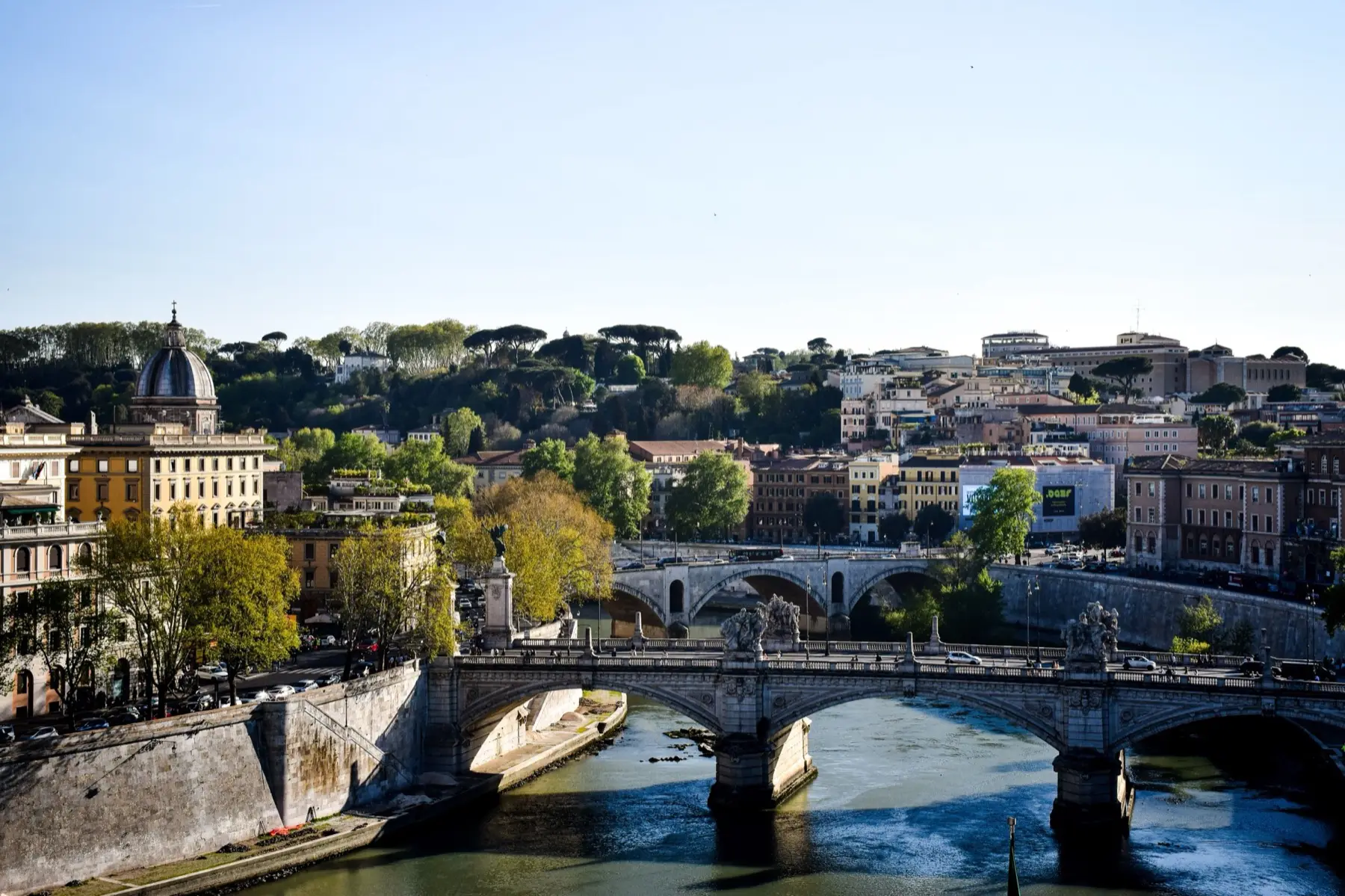
Italy
The whole country empties into the sea in August — the cities are yours in November.
When to visit Italy
Across Italy as a whole, January is typically the calmest month and June the busiest. Crowds are not uniform, though — see how the regions differ below.
Italy has two tourist seasons stacked on top of each other, and understanding the difference is most of the battle. The international season runs from Easter to late October and concentrates on a short list of art cities. The domestic season is far narrower: Italians take their holidays in a compressed window from late July to the end of August, and they take them at the coast, in the mountains or at the lakes. In August the two flows cross — foreign visitors queue in Florence and Rome while half the country has closed its shutters and gone to the beach.
That makes late spring and early autumn the obvious targets, and September in particular. The sea is still warm, the harvest is under way across Piedmont, Tuscany and Puglia, and the art cities have shed the summer coach traffic without yet turning cold. May is its mirror image, though the calendar is crowded with public holidays — 25 April and 1 May sit close enough to generate long weekends that fill trains and coastal hotels well before the season proper begins.
The genuine off-peak is November through mid-March, and it is a different country rather than a lesser one. The north can be foggy and freezing while Sicily and the Amalfi coast stay mild but half-shut, since a great many seaside hotels and restaurants simply close from November to March. Winter rewards visitors who want museums, food and cities; it punishes anyone whose itinerary depends on the coast.
Book things to do
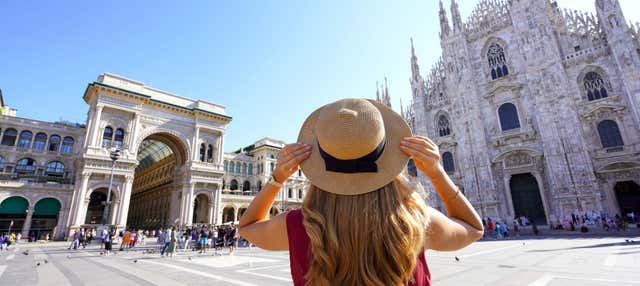
Italy: tours and tickets in Rome, Venice, Florence, Milan, Naples, from our booking partner.
 Free cancellation
 Free cancellation
 Free cancellation
It is not the same everywhere
Italy spans about 1,200 km of latitude and the ends behave like separate countries: the Alpine north and the Po valley get real winters, fog and snow, with Milan colder in January than Munich in some years, while Sicily and Calabria rarely freeze and hit the high thirties in July; the Adriatic side is drier than the Tyrrhenian, and the Apennine spine keeps hill towns ten degrees cooler than the coast an hour away.
Getting around
The Frecciarossa and Italo high-speed lines link Milan, Bologna, Florence, Rome and Naples on a single spine — Rome to Florence in about 1h35 and Rome to Milan in around 3h — so the classic circuit needs no car at all, but Tuscany, Umbria, Puglia and Sicily open up properly only if you drive.
Crowds month by month across Italy
Averaged across the 5 destinations we cover — tap a month for the full picture.
Weather across Italy
Averaged across our destinations. The spread column shows how far apart the warmest and coolest are.
| # | Average high | Average low | Wet days | Spread |
|---|---|---|---|---|
| January | 10°C | 2°C | 7 | ±7° |
| February | 12°C | 3°C | 7 | ±5° |
| March | 15°C | 5°C | 7 | ±4° |
| April | 19°C | 8°C | 9 | ±2° |
| May | 24°C | 13°C | 8 | ±2° |
| June | 28°C | 17°C | 6 | ±3° |
| July | 30°C | 19°C | 4 | ±4° |
| August | 30°C | 19°C | 5 | ±3° |
| September | 26°C | 16°C | 6 | ±3° |
| October | 20°C | 11°C | 8 | ±5° |
| November | 14°C | 7°C | 9 | ±6° |
| December | 10°C | 3°C | 8 | ±7° |
More tours and tickets
More options from our booking partner.
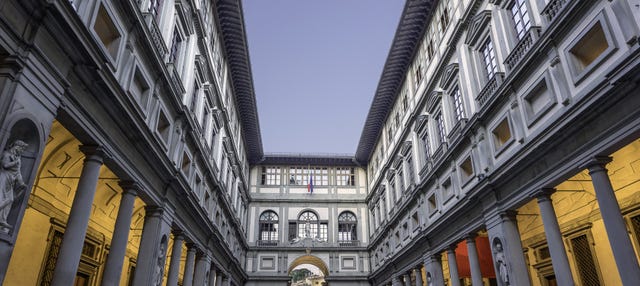
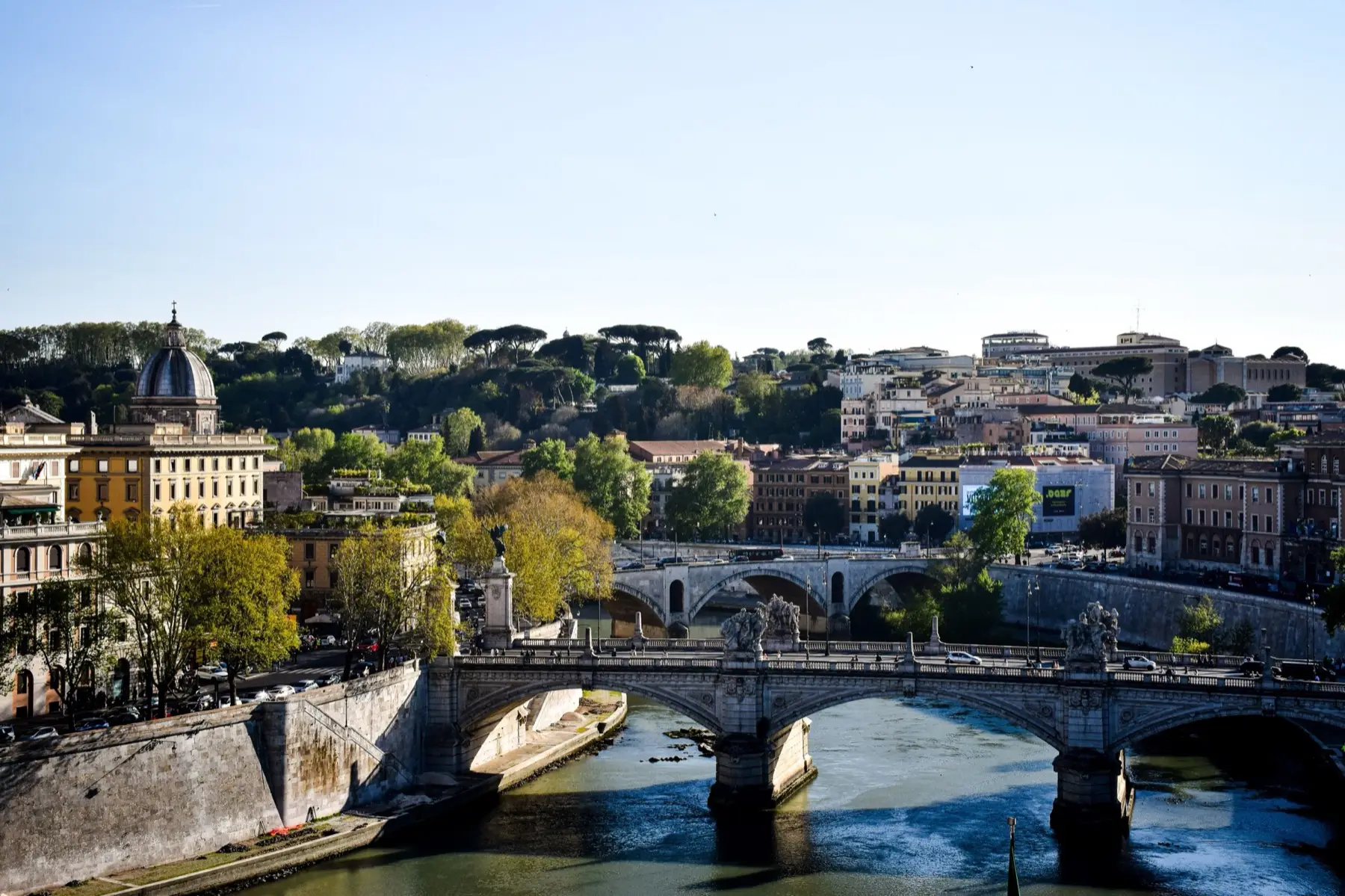
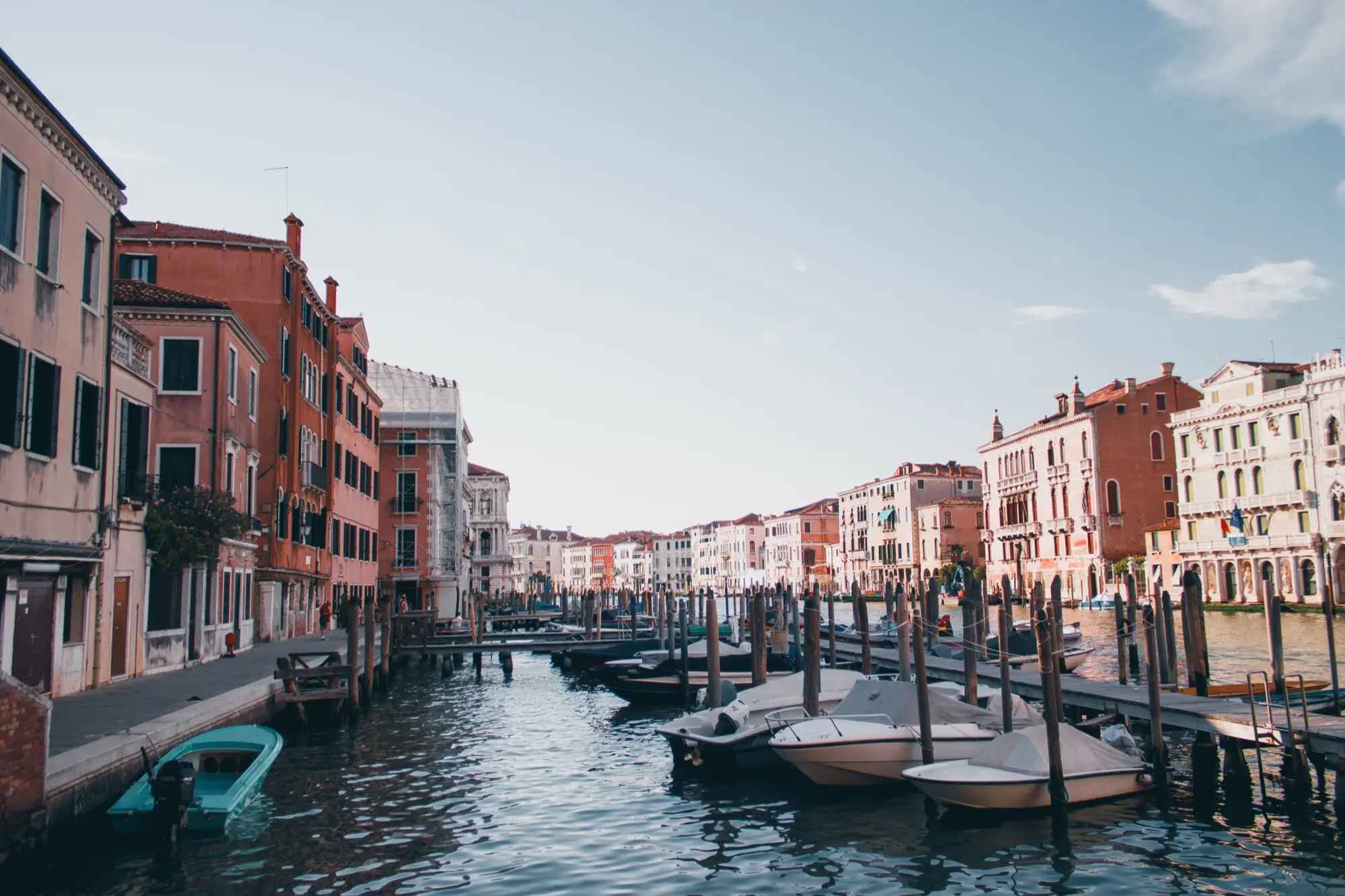
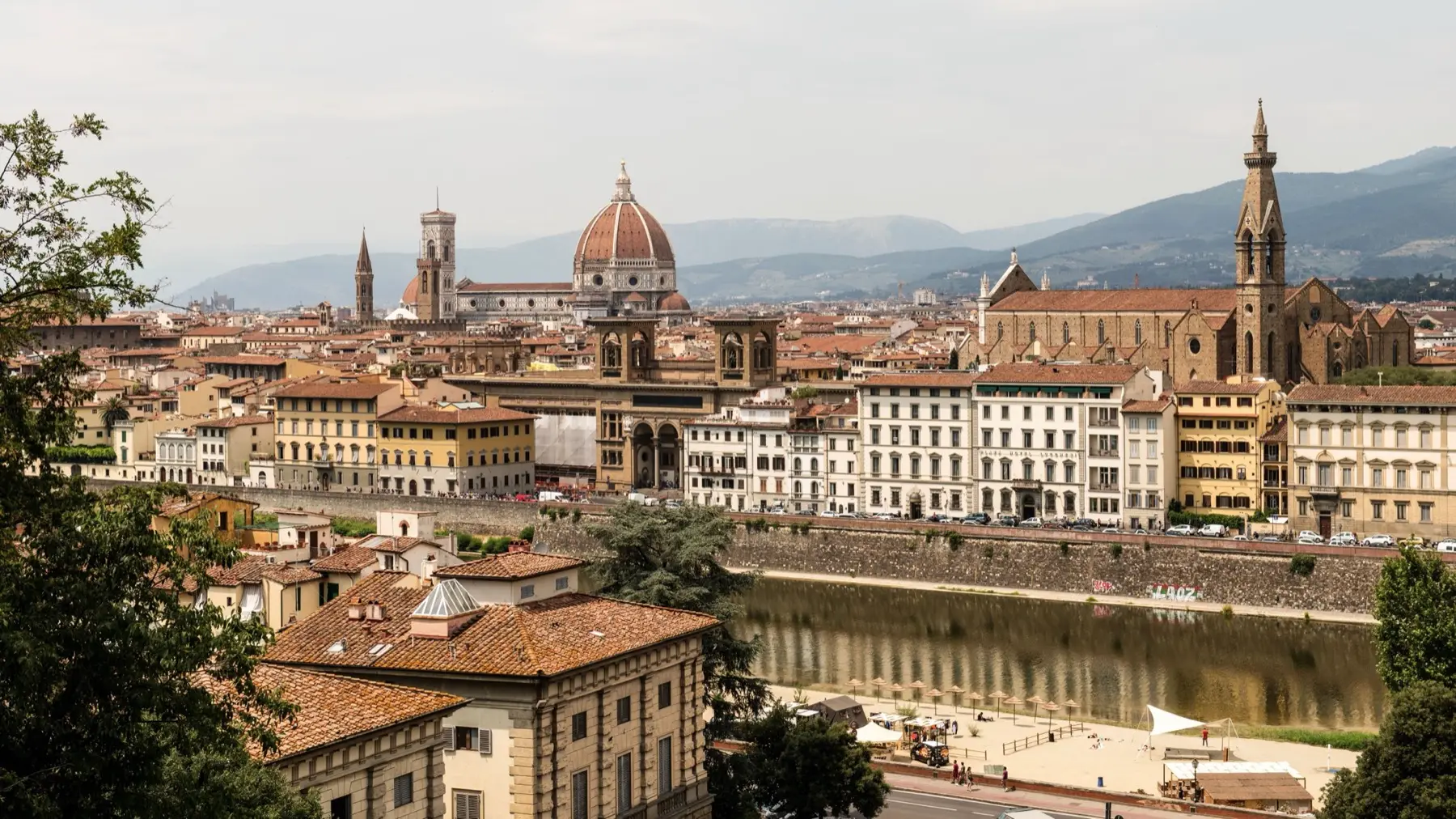
Where we have data in Italy
Each city has its own crowd calendar and twelve month pages.
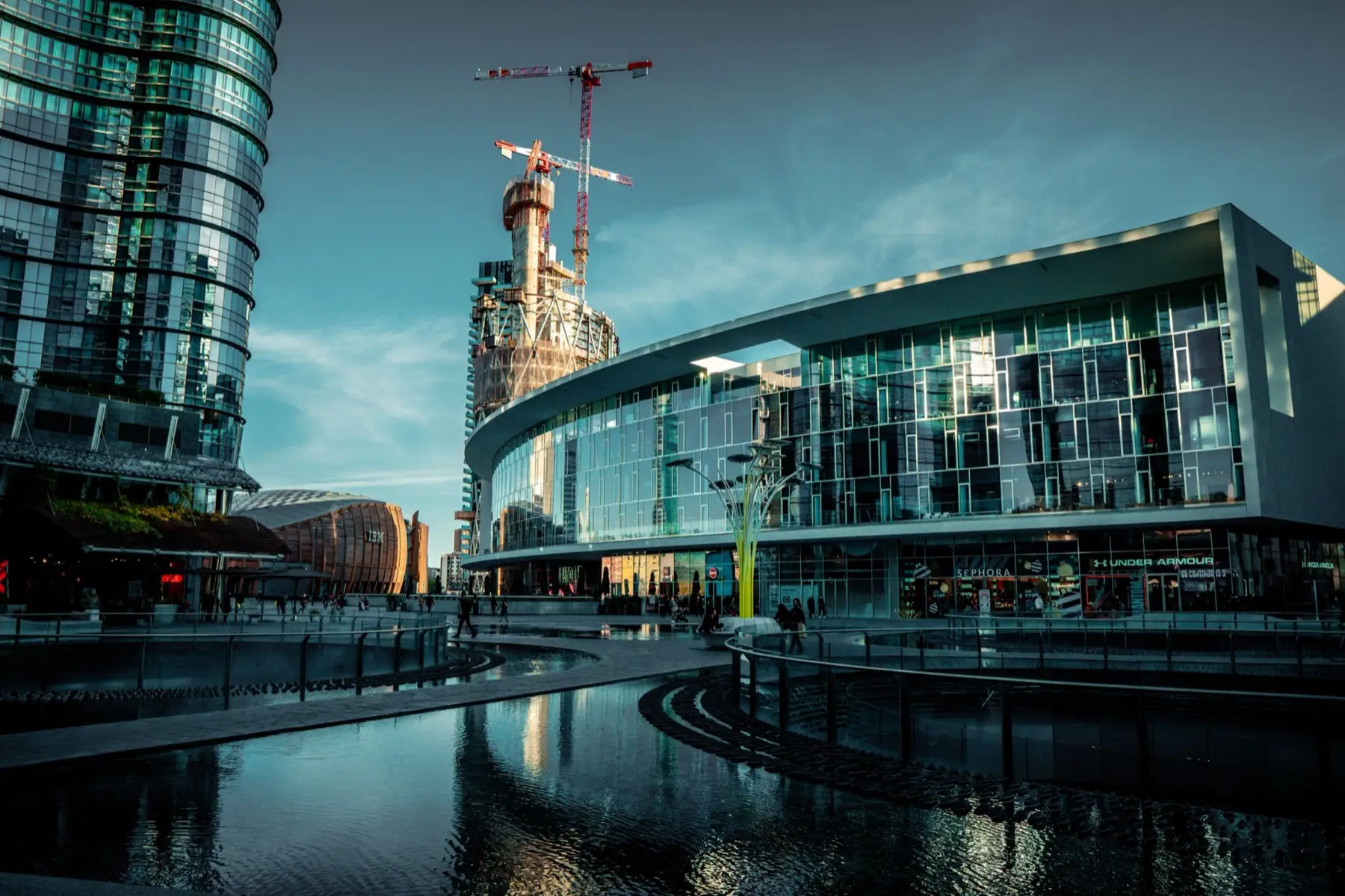
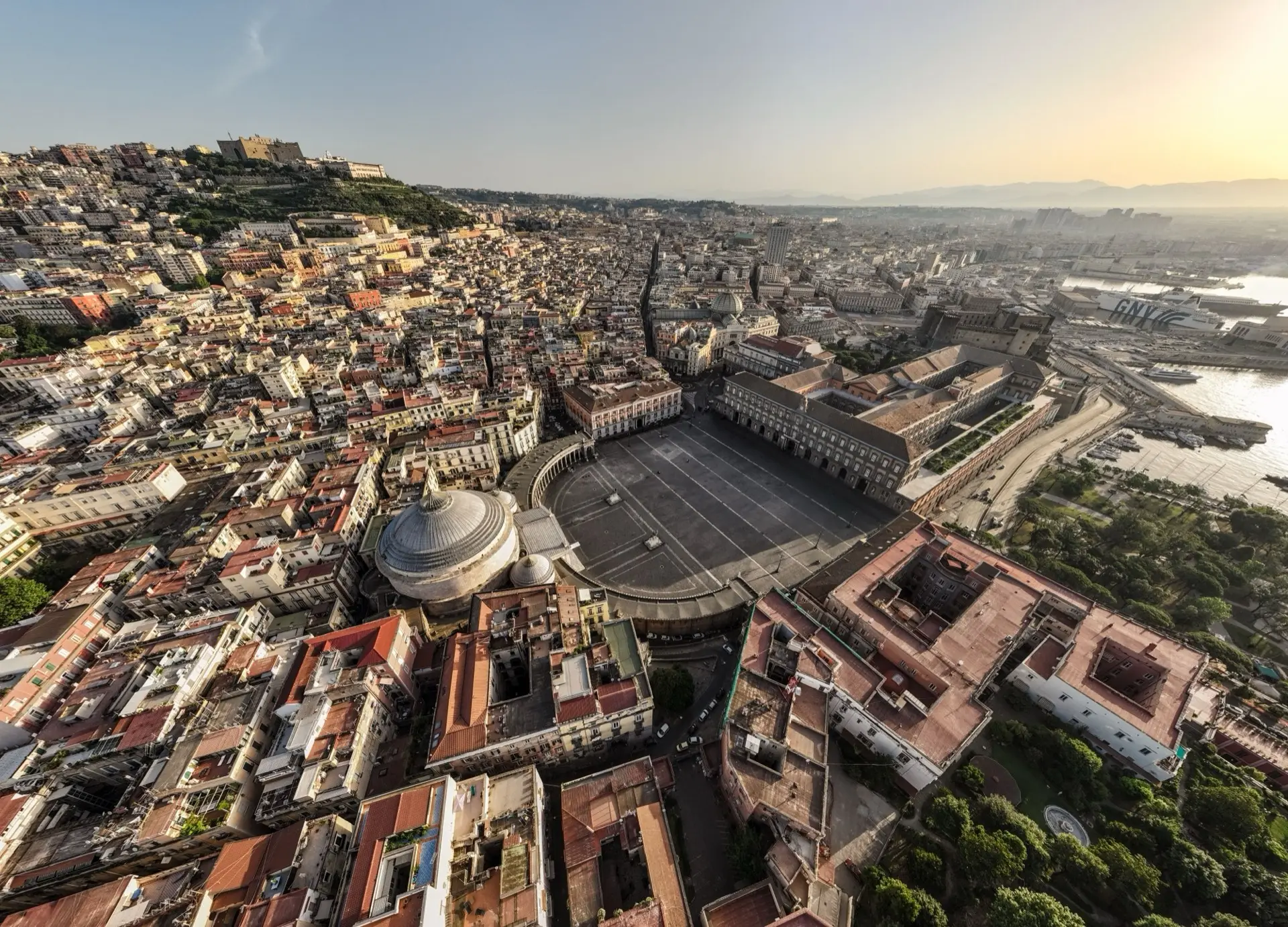
Every month in Italy
Country-level tips
- Ferragosto on 15 August is the one date that reshapes the country: family-run restaurants, shops and workshops close for a week or more either side of it, and coastal hotels sell out months ahead at their highest rates of the year.
- High-speed train fares work like airline fares — the cheapest Frecciarossa and Italo tickets appear roughly two to four months out and disappear as the departure nears, while regional trains cost the same whenever you buy them.
- Nearly every historic centre has a ZTL, a camera-enforced restricted traffic zone, and fines arrive by post months later; if you are driving, park outside the walls and walk in.
- Low-cost flights land at secondary airports well outside the city they advertise — Bergamo for Milan, Ciampino for Rome, Treviso for Venice — so budget an hour and a bus fare on each end.
Frequently asked questions
When is the best time to visit Italy?
The best time to visit Italy is around January, when crowds across the country sit near 41/100 and average highs are about 10°C.
What is the quietest month in Italy?
January is the quietest month across the destinations we track in Italy, averaging 41/100.
When is Italy most crowded?
Italy peaks in June, when domestic and international travel overlap.