Milan
Trade fairs set the price, not the season — and Ferragosto hands the city back.
When to visit Milan
Milan is calmest in August and busiest in April. For the best balance of decent weather and smaller crowds, aim for January.
Milan does not have a tourist season so much as a business one. It is Italy’s financial and fashion capital, and its crowd curve is dictated by the exhibition calendar at Rho Fiera and by the fashion weeks rather than by the weather. The result is counterintuitive: hotel rates in the third week of April, during the Salone del Mobile, are higher than at any point in the summer, and a random Tuesday in February can be more expensive than a Saturday in July.
Four dates matter more than the rest. Women’s Fashion Week in late February and again in late September fills the centre and the good restaurants. The Salone del Mobile in April is the largest furniture fair in the world and effectively sells out the entire city, spilling out into a design week across Brera, Tortona and Isola. And 7 December, the feast of Sant’Ambrogio, opens both the La Scala season and the Oh Bej! Oh Bej! market, which is the busiest single day of the Milanese winter.
August is the standout off-peak, and it is dramatic. Around Ferragosto on the 15th the city genuinely closes: shutters down across whole streets, half the restaurants shut for two or three weeks, and a centre that is hot, quiet and easy to move through. If you want the Duomo roof and The Last Supper without competition, that is the month — provided you accept that a lot of Milan will not be open. For a normal visit, late May and October are the balanced choices, with good weather and no fair on.
Book things to do
Tours and tickets in Milan, from our booking partner.
 Free cancellation
 Free cancellation
 Free cancellation
 Free cancellation
 Free cancellation
Crowds month by month
Twelve months of Milan at a glance — tap a month for the full picture.
Every month in Milan
Weather, crowds and what’s on — one page per month.
Weather through the year
Typical highs, lows and wet days.
Best day of the week
How the crowd moves through a typical week.
Tue is normally the calmest day of the week.
Best time of day
The daily rhythm, hour by hour.
The 9:00 AM window is usually the calmest of the day.
Where the crowd gathers
A typical peak afternoon in the centre.
How long to stay
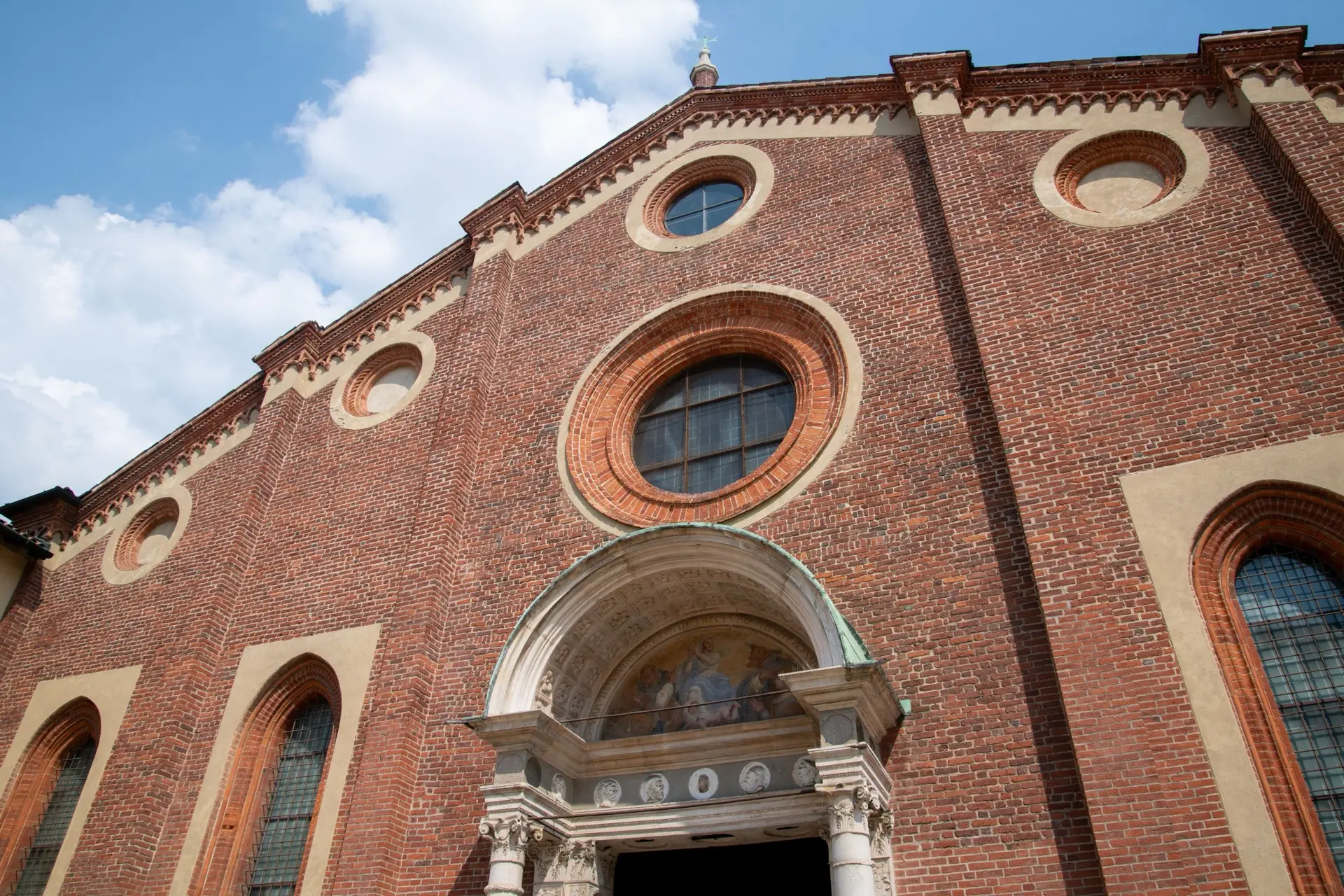
Two days is enough for the Duomo, The Last Supper, the Brera and one design district; a third for Lake Como or a Navigli evening at a proper pace.
Local timing tips
- The Last Supper admits about thirty-five people at a time for fifteen minutes and releases tickets in blocks months ahead — this is the one thing in Milan you cannot improvise.
- Buy the Duomo ticket that includes the rooftop terraces by lift and go late in the day; the stairs option is cheaper but the queue moves slower.
- Check whether a fair is on at Rho Fiera before booking a hotel — the same room can double in price during Salone or a fashion week.
- Most museums close on Monday, and the Cenacolo closes then too; keep Monday for the Duomo, the Galleria and the Navigli instead.
Attractions in Milan
Frequently asked questions
When is the best time to visit Milan?
The best time to visit Milan is August, the quietest month of the year, or the shoulder weeks around January when the crowd eases but the weather still holds.
What is the cheapest and quietest month in Milan?
August is the quietest month in Milan, with a modelled crowd level near 34/100 and typical highs of 29°C.
When is Milan most crowded?
Milan peaks in April, when both visitor numbers and prices are at their highest.
How many days do you need in Milan?
Two days is enough for the Duomo, The Last Supper, the Brera and one design district; a third for Lake Como or a Navigli evening at a proper pace.
Other attractions
Photo: Marco Ottaviano · Pexels