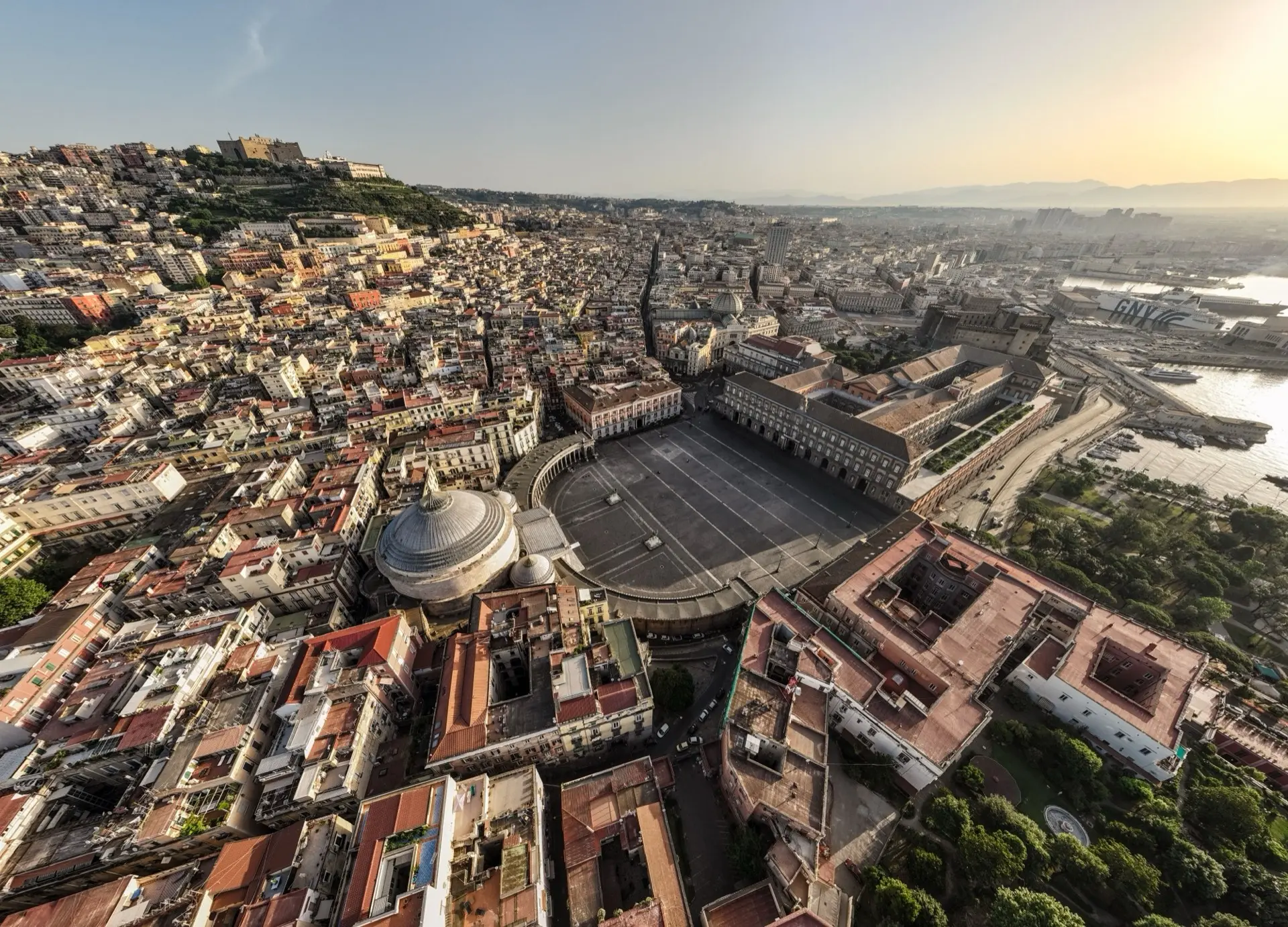
Naples
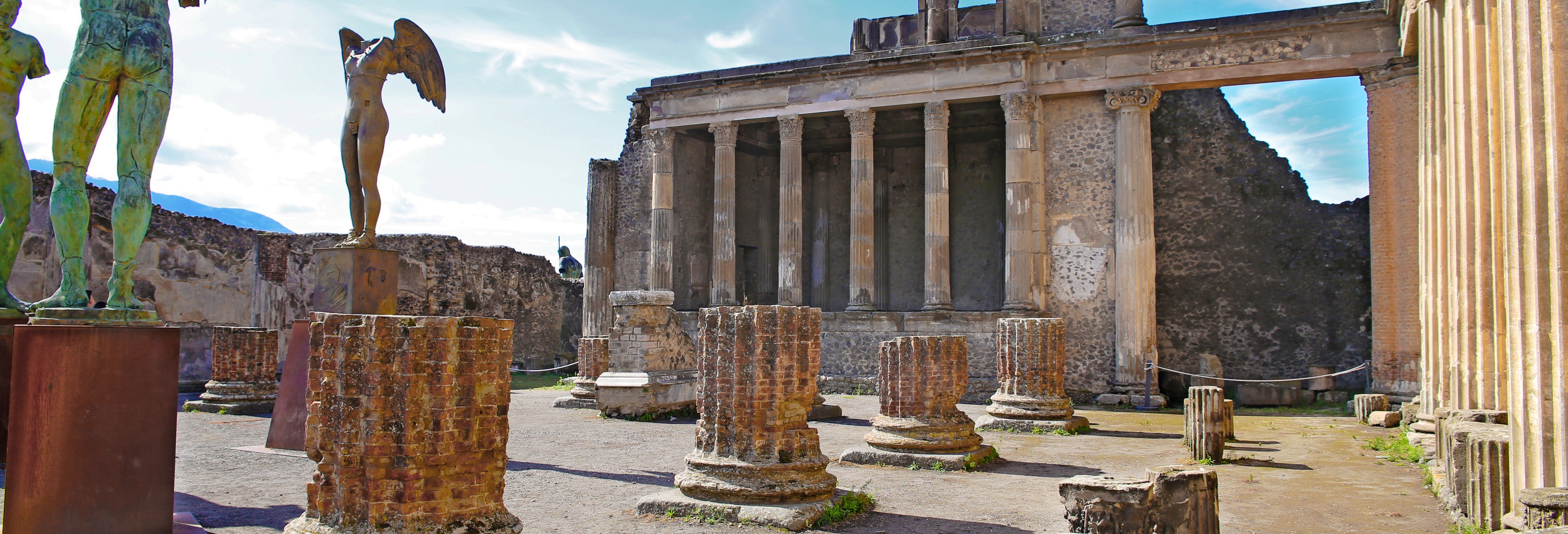
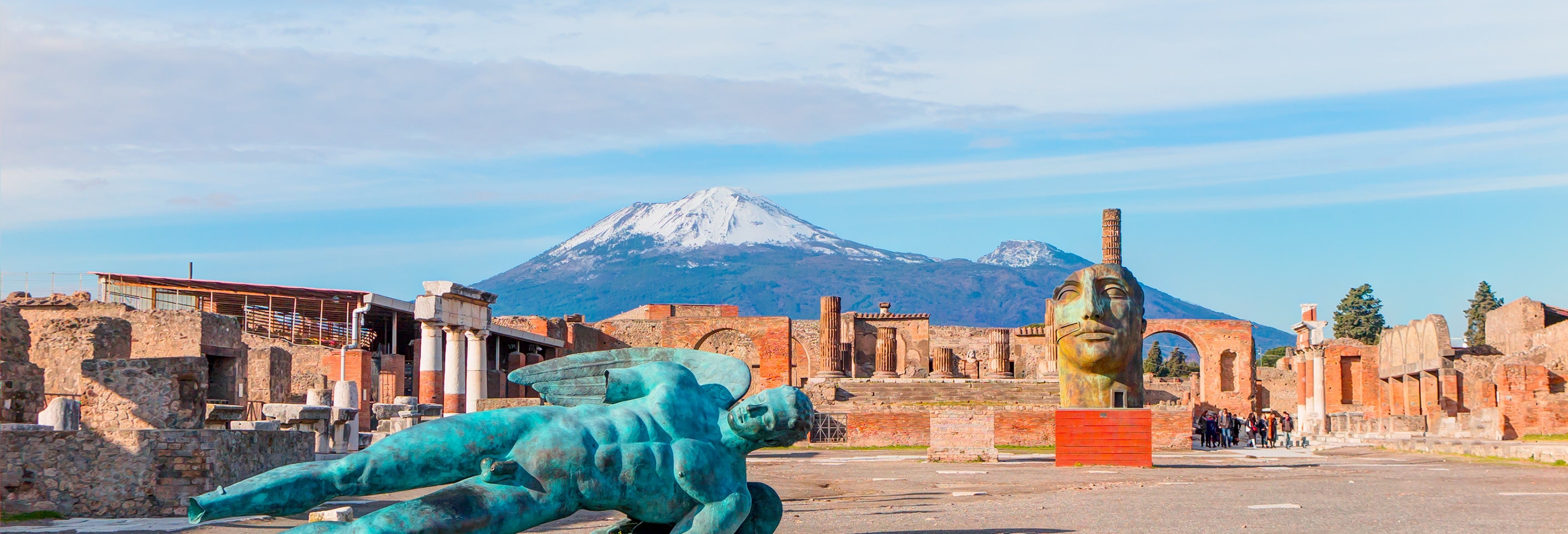
Pompeii sets the rhythm: go in late autumn or deep winter, and the city and the ruins are both yours.
When to visit Naples
Naples is calmest in January and busiest in May. For the best balance of decent weather and smaller crowds, aim for February.
Naples has two crowds. One is the city itself, the historic centre, the Archaeological Museum and the pizza queues on Via dei Tribunali, which fill steadily from Easter to October. The other is the stream of day-trippers heading for Pompeii, Herculaneum, Capri and the Amalfi Coast, who pass through the station and the port without staying. Most of the pressure you feel in town comes from the first group; the second makes the ferries and the Circumvesuviana train the busiest places in the region.
The year has a clear shape. April and May are the peak for sightseeing, with school trips, Easter and the Maggio dei Monumenti programme opening buildings that are normally closed. Summer is hot and humid, and much of the traffic moves out to the islands and the coast. September and October are the best balance: the sea is still warm, the light is soft and the queues at Pompeii shorten.
November to February is the real off-season. It is the rainiest part of the year, but temperatures stay in the low to mid teens, and the city is at its most local. December is the exception inside winter: the nativity-scene workshops of Via San Gregorio Armeno draw such crowds at weekends that the police sometimes run the street one way.
Book things to do
Tours and tickets in Naples, from our booking partner.
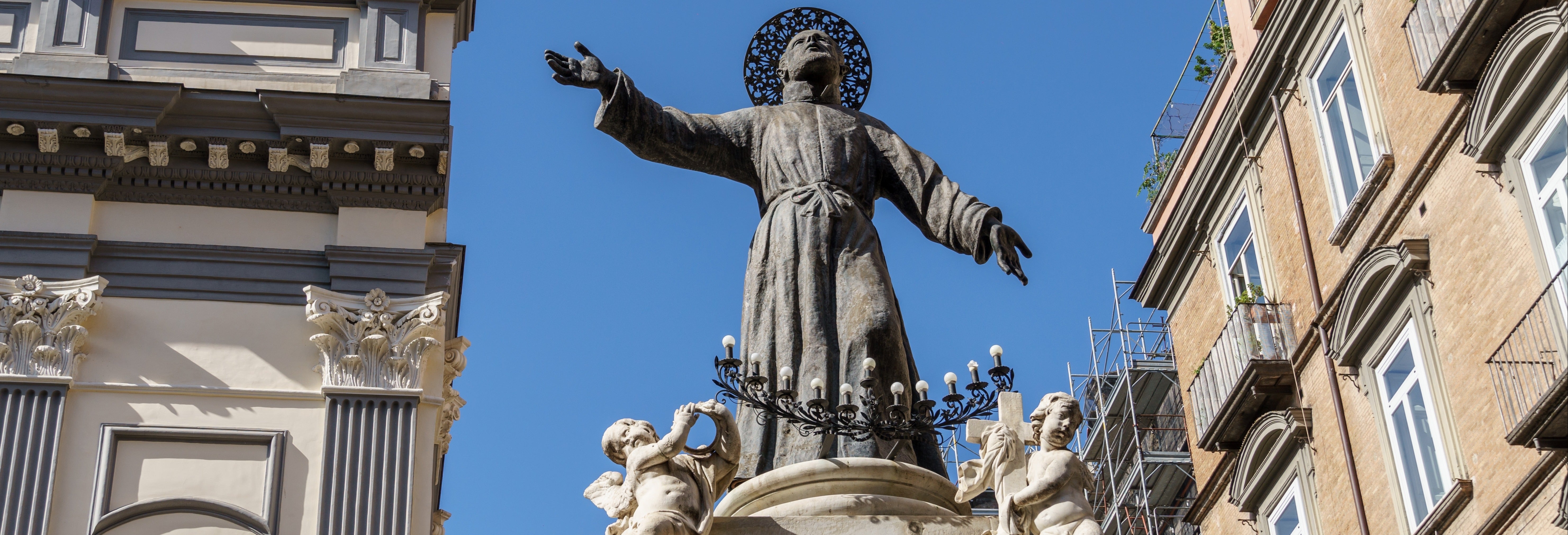
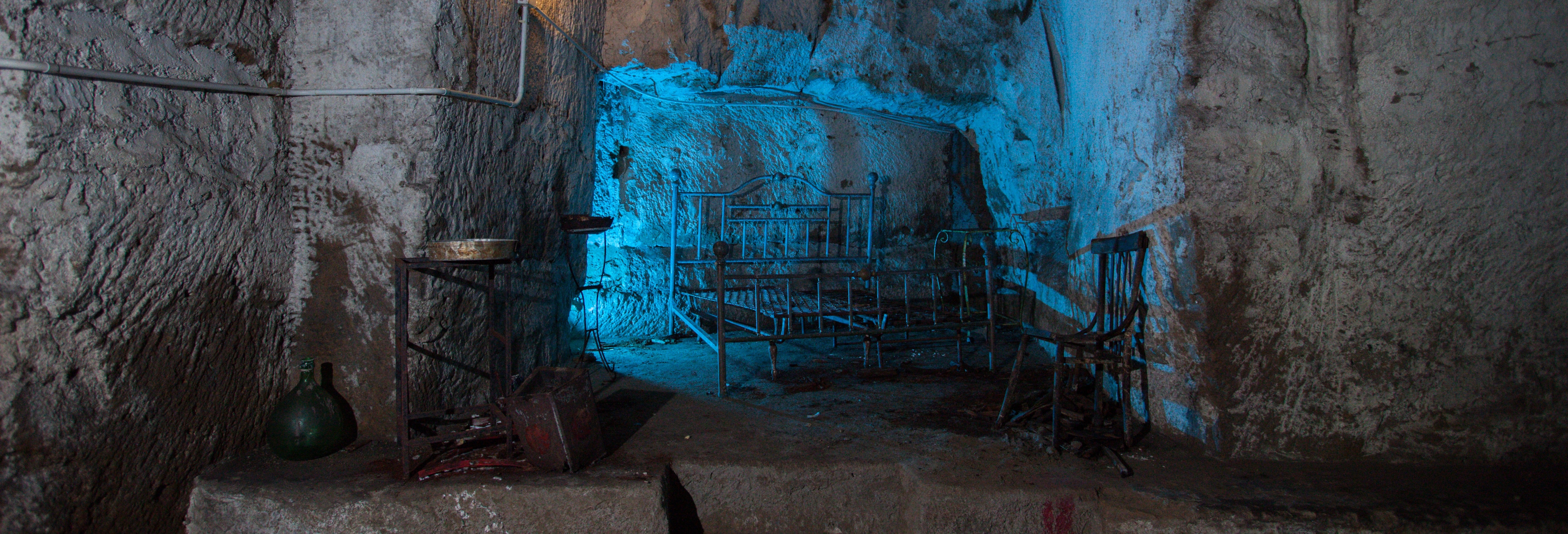
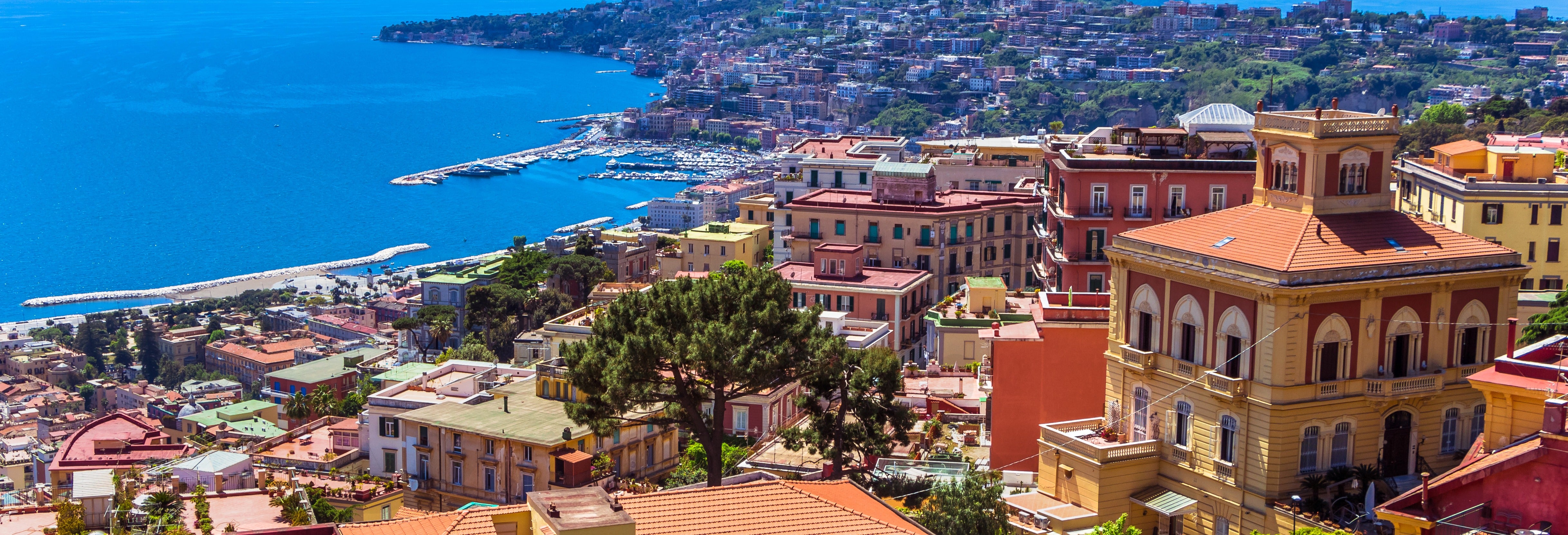
Crowds month by month
Twelve months of Naples at a glance — tap a month for the full picture.
Every month in Naples
Weather, crowds and what’s on — one page per month.
Weather through the year
Typical highs, lows and wet days.
Best day of the week
How the crowd moves through a typical week.
Tue is normally the calmest day of the week.
Best time of day
The daily rhythm, hour by hour.
The 9:00 AM window is usually the calmest of the day.
Where the crowd gathers
A typical peak afternoon in the centre.
Cruise days change everything
Naples is a cruise port. On ship days the centre fills between mid-morning and late afternoon, then empties again.
How long to stay
Three days: one for the historic centre and the Archaeological Museum, one for Pompeii or Herculaneum, and one for Capri, Procida or the Amalfi Coast depending on the season.
Local timing tips
- Book Pompeii and the Archaeological Museum online on busy days, and aim for opening time at Pompeii to stay ahead of the tours from Sorrento and the cruise port.
- The Circumvesuviana train to Pompeii is cheap and slow; in summer, the Campania Express service on the same line is less crowded.
- Ferries to Capri sell out on summer weekends; buy the outward and return legs at the same time.
- State museums in Italy are free on the first Sunday of the month, which makes those Sundays the most crowded days at Pompeii and the Archaeological Museum.
Attractions in Naples
Frequently asked questions
When is the best time to visit Naples?
The best time to visit Naples is January, the quietest month of the year, or the shoulder weeks around February when the crowd eases but the weather still holds.
What is the cheapest and quietest month in Naples?
January is the quietest month in Naples, with a modelled crowd level near 40/100 and typical highs of 14°C.
When is Naples most crowded?
Naples peaks in May, when both visitor numbers and prices are at their highest.
How many days do you need in Naples?
Three days: one for the historic centre and the Archaeological Museum, one for Pompeii or Herculaneum, and one for Capri, Procida or the Amalfi Coast depending on the season.
Sources
Weather: 1995–2024 averages from the Naples (Capodichino) weather station (NOAA GHCN-Daily); rain days count days with at least 1 mm.
Crowd scores are modelled estimates, not live counts.How the model works
Events, holidays and practical notes are checked against these official pages:
Other attractions

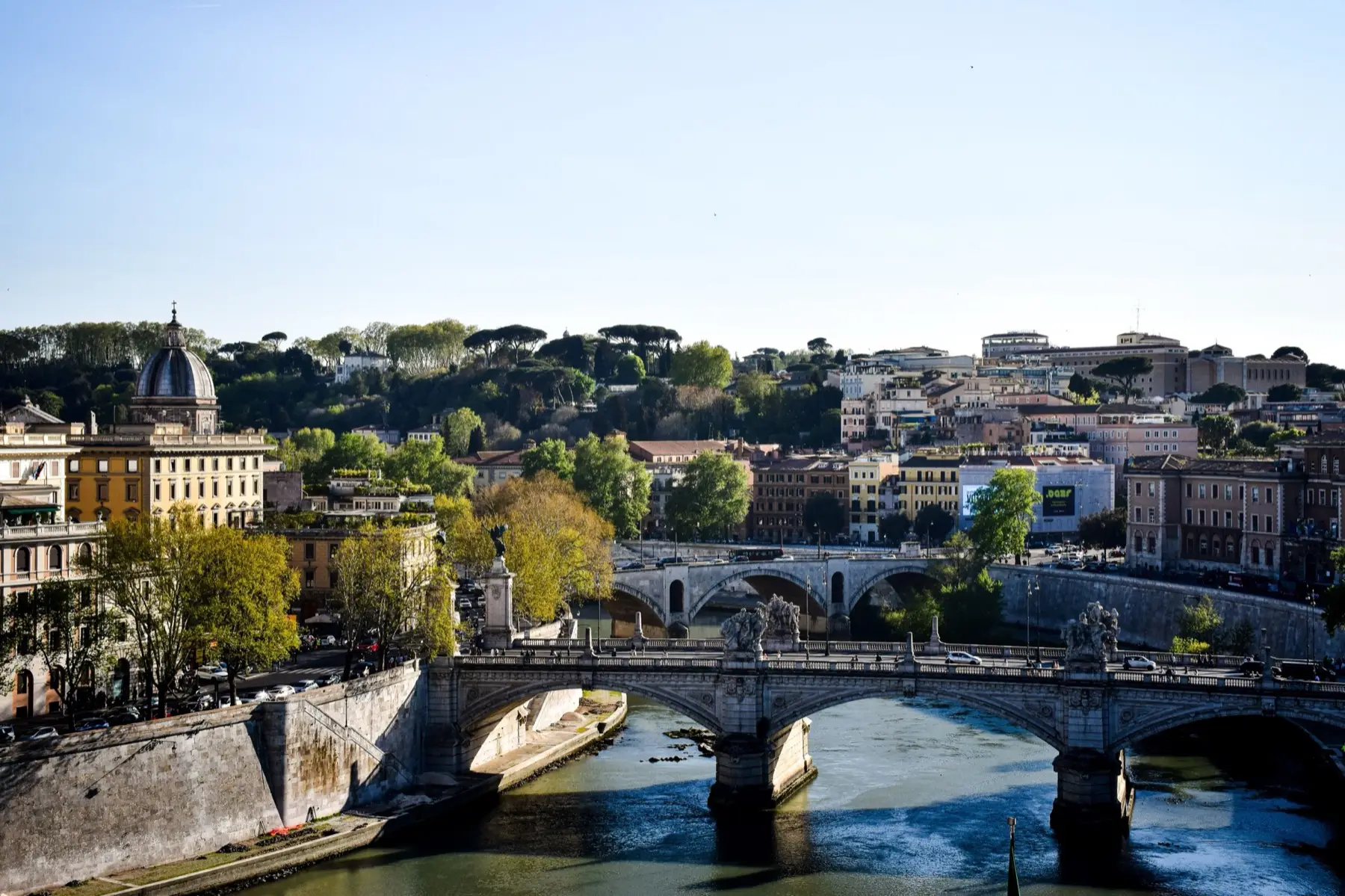
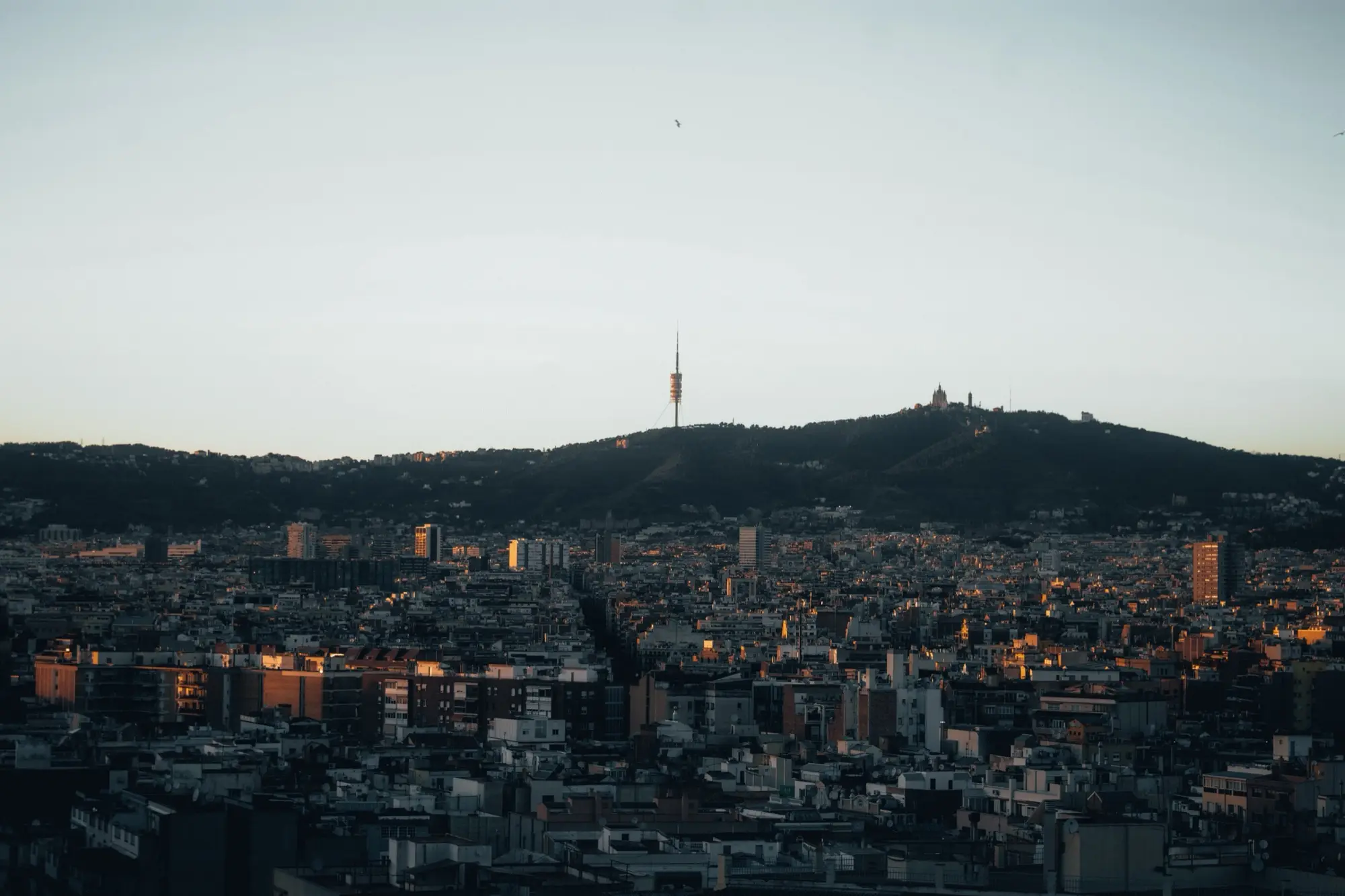
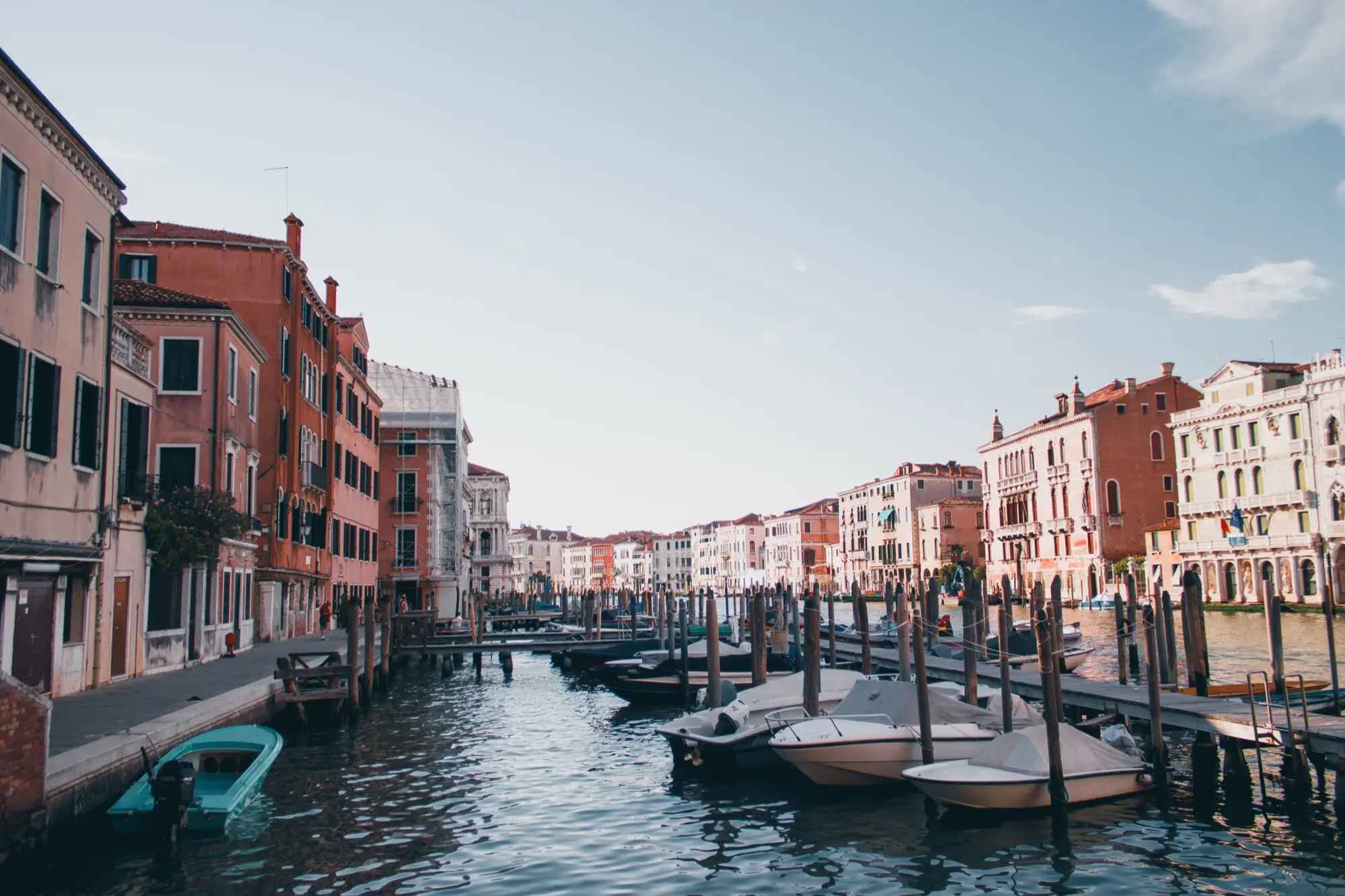
Photo: K · Pexels