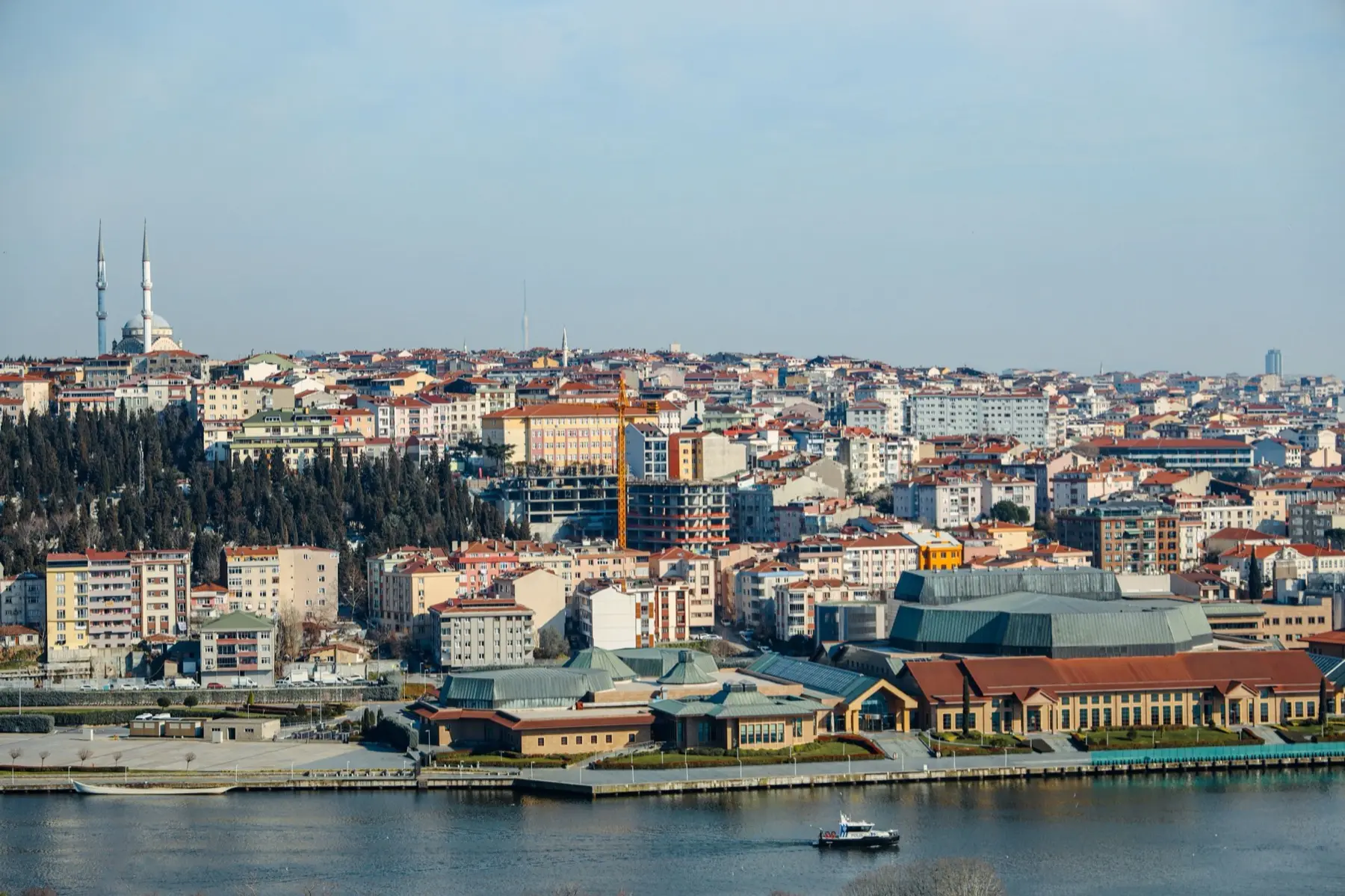
Istanbul
Spring and autumn beat summer outright — humid August is the city’s quiet season.
When to visit Istanbul
Istanbul is calmest in January and busiest in September. For the best balance of decent weather and smaller crowds, aim for February.
Istanbul is a city of sixteen million people, and that scale changes how you should read its crowd data. Galataport takes large cruise ships directly at Karaköy, but a few thousand passengers disappear into a metropolis of this size in a way they never could in Dubrovnik or Santorini — the queues at Hagia Sophia and the Topkapı are set by the general visitor season, not by the ship board. What does concentrate is geography: almost everything on a first visit sits inside the Sultanahmet peninsula, and that square kilometre carries the whole load.
The seasonal shape is a double shoulder peak. April and May are the strongest months — mild, dry-ish, with the tulip planting in Emirgan and Gülhane at its height and the Bosphorus finally warm enough to sit outside. September and October are their equal or better, with the summer humidity gone and the light on the water at its best. Between them sits a July and August dip: 29°C combined with high humidity is genuinely unpleasant, many Istanbullus leave for the Aegean coast, and the queues get shorter as a result.
Winter is the real off-peak and it is wetter and colder than most visitors expect — 9°C, thirteen rain days, and occasional snow on the domes. In exchange you get the Basilica Cistern without a wait and the Grand Bazaar at a pace where haggling is actually possible. One movable factor overrides all of this: Ramadan and the Eid holidays shift back around eleven days each year, and both change the rhythm of the city considerably — iftar crowds fill the Sultanahmet park at sunset, and many families travel during Eid.
Book things to do
Tours and tickets in Istanbul, from our booking partner.
 Free cancellation
 Free cancellation
 Free cancellation
 Free cancellation
 Free cancellation
Crowds month by month
Twelve months of Istanbul at a glance — tap a month for the full picture.
Every month in Istanbul
Weather, crowds and what’s on — one page per month.
Weather through the year
Typical highs, lows and wet days.
Best day of the week
How the crowd moves through a typical week.
Tue is normally the calmest day of the week.
Best time of day
The daily rhythm, hour by hour.
The 9:00 AM window is usually the calmest of the day.
Where the crowd gathers
A typical peak afternoon in the centre.
How long to stay
Three full days covers Sultanahmet, the bazaars and a Bosphorus trip; four or five if you want the Asian side, the Chora church and a proper hammam afternoon.
Local timing tips
- Buy an Istanbulkart at any station and load it once — it works on the metro, trams, buses, the funiculars and the public ferries, all at a fraction of the tourist boat price.
- The public commuter ferry to Kadıköy or up the Bosphorus to Anadolu Kavağı gives you the same views as the sightseeing cruises for the price of a bus fare.
- Topkapı closes on Tuesday and the Grand Bazaar closes all day Sunday — both catch people out repeatedly.
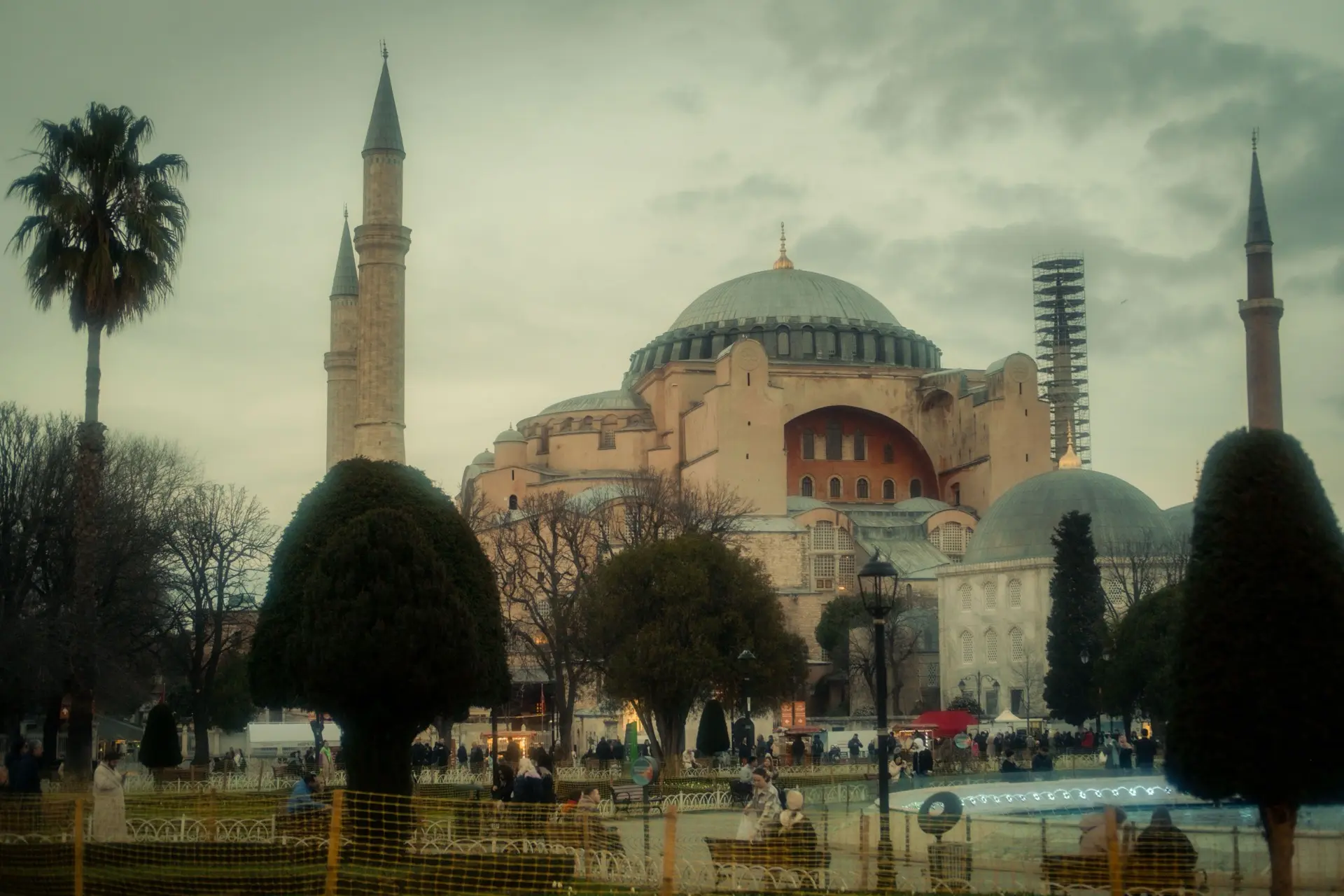
- Hagia Sophia now charges non-residents for the upper gallery and keeps the ground floor as a working mosque; go outside the five daily prayer times to avoid a closure.
Attractions in Istanbul
Frequently asked questions
When is the best time to visit Istanbul?
The best time to visit Istanbul is January, the quietest month of the year, or the shoulder weeks around February when the crowd eases but the weather still holds.
What is the cheapest and quietest month in Istanbul?
January is the quietest month in Istanbul, with a modelled crowd level near 38/100 and typical highs of 9°C.
When is Istanbul most crowded?
Istanbul peaks in September, when both visitor numbers and prices are at their highest.
How many days do you need in Istanbul?
Three full days covers Sultanahmet, the bazaars and a Bosphorus trip; four or five if you want the Asian side, the Chora church and a proper hammam afternoon.
Other attractions
Photo: Rasul Yarichev · Pexels