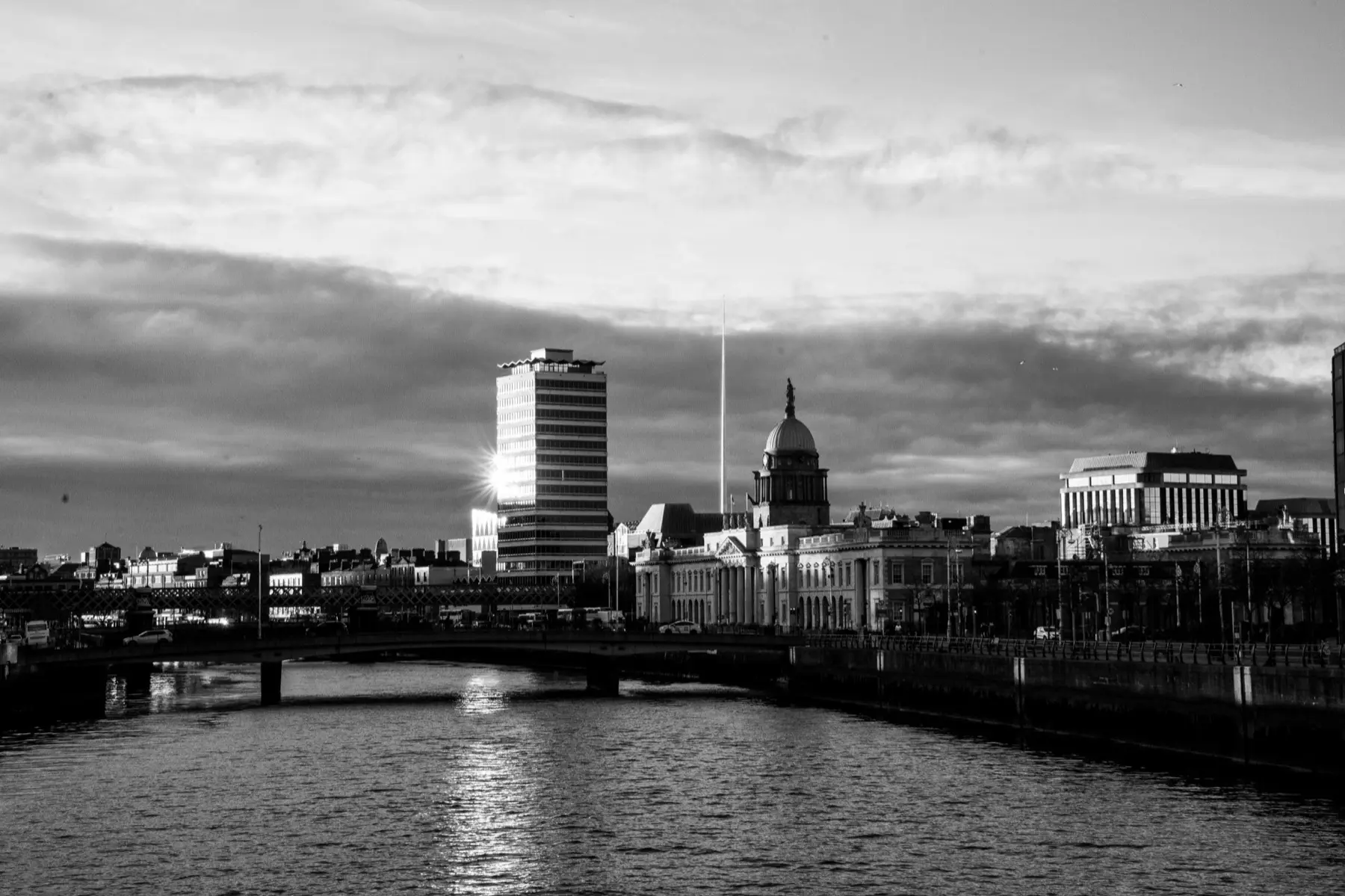
Ireland
Rain falls in every month here, so plan around the crowd calendar instead.
When to visit Ireland
Across Ireland as a whole, January is typically the calmest month and July the busiest. Crowds are not uniform, though — see how the regions differ below.
Ireland has no dry season, only a wet one and a wetter one, which is oddly liberating: since you cannot outrun the weather, you may as well travel when the roads and the ruins are empty. The country runs on a short, sharp high season — roughly late June to the end of August, with a spike around St Patrick’s weekend in March — and outside those windows an island that fits inside the state of Indiana feels almost private.
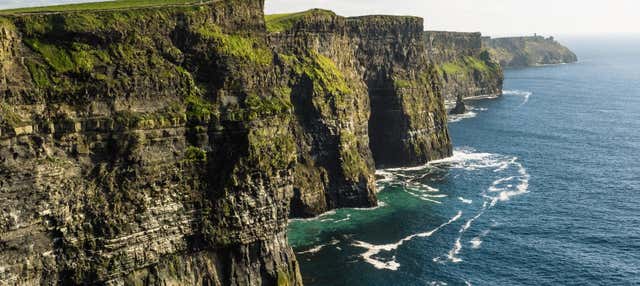
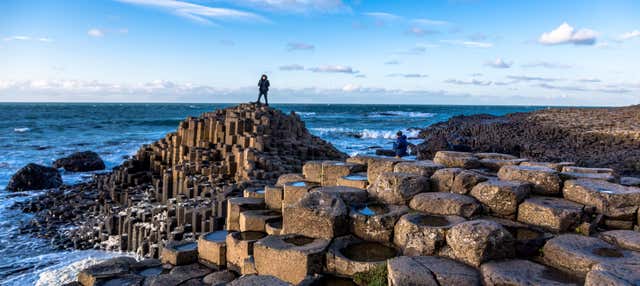
The crowd is not evenly spread. Dublin absorbs the city-break traffic year-round, but the pressure that actually ruins a trip is concentrated on the Atlantic seaboard, where the Wild Atlantic Way funnels coach tours, campervans and rental cars onto the same handful of single-track roads from July onwards. The Ring of Kerry, the Cliffs of Moher and the Giant’s Causeway can each feel like a car park in August and like a private cliff walk in late September.
Two domestic rhythms are worth knowing. Irish schools break up in late June and go back around the first of September, which makes the last week of August genuinely quieter than the first. And a real chunk of the tourism estate — Office of Public Works heritage sites, visitor centres, small-town restaurants on the west coast — closes or drops to weekend-only hours from November to March, so a winter trip trades crowds for reduced opening.
Book things to do
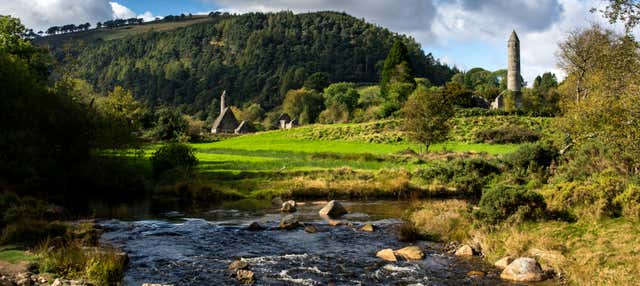
Ireland: tours and tickets in Dublin, from our booking partner.
 Free cancellation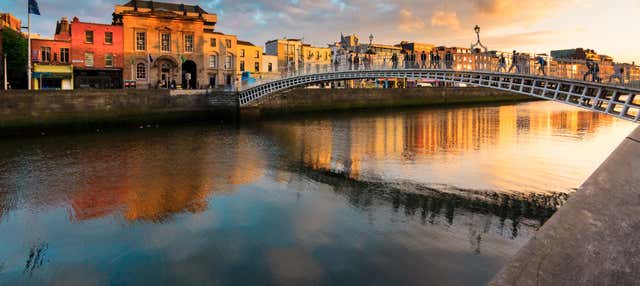
 Free cancellation
 Free cancellation
 Free cancellation
 Free cancellation
It is not the same everywhere
The east is markedly drier and brighter than the west: Dublin gets around 750 mm of rain a year and the Atlantic-facing counties of Kerry, Mayo and Donegal can take two to three times that, with the mountains squeezing out showers all day, so an itinerary that runs Dublin to Galway to Killarney is walking steadily into wetter, windier weather.
Getting around
Nothing is more than four hours apart — Dublin to Galway takes about two and a half hours, Dublin to Cork three — but the rail network radiates from Dublin rather than linking the regions to each other, so any coastal or cross-country route realistically needs a hire car.
Crowds month by month across Ireland
Averaged across the 1 destinations we cover — tap a month for the full picture.
Weather across Ireland
Averaged across our destinations. The spread column shows how far apart the warmest and coolest are.
More tours and tickets
More options from our booking partner.

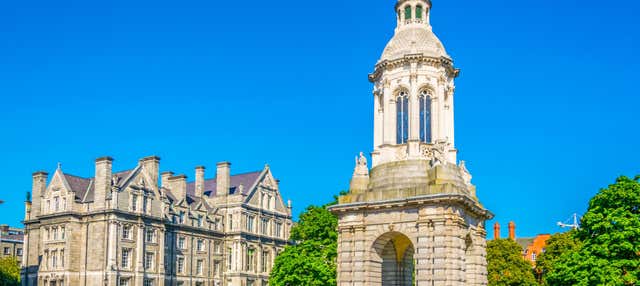
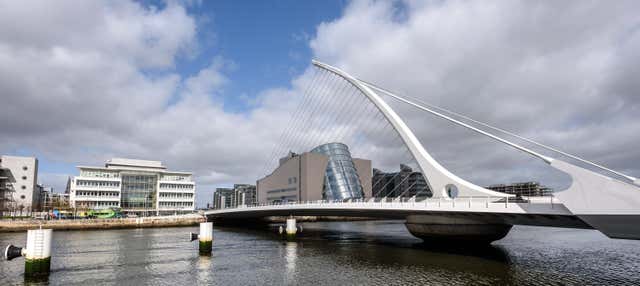
Where we have data in Ireland
Each city has its own crowd calendar and twelve month pages.
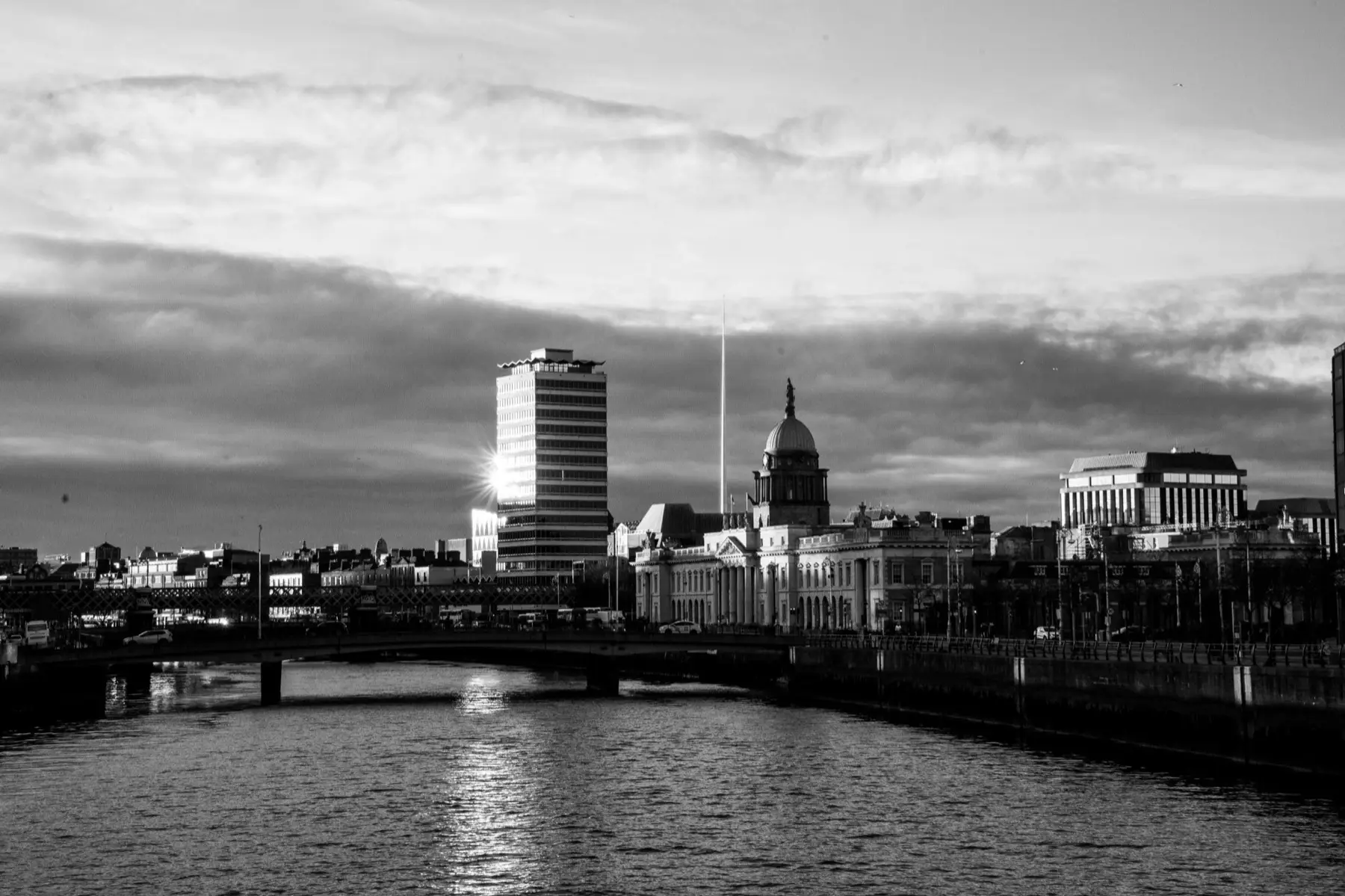
Every month in Ireland
Country-level tips
- St Patrick’s Day on 17 March is a national holiday and the single most expensive weekend of the Irish year outside Christmas; if you are not there for the parades, avoid the four days around it.
- Many Office of Public Works heritage sites, west-coast visitor centres and island ferries run a seasonal calendar from roughly March to October, so check opening hours before building a November itinerary around them.
- Driving is on the left and rural roads are narrow, hedged and unforgiving; automatic cars are a small minority of the rental fleet in Ireland and sell out months ahead for summer.
- Flying into Shannon, Kerry or Knock instead of Dublin puts you on the Atlantic coast immediately and usually saves a full day of driving on a short trip.
Frequently asked questions
When is the best time to visit Ireland?
The best time to visit Ireland is around January, when crowds across the country sit near 40/100 and average highs are about 8°C.
What is the quietest month in Ireland?
January is the quietest month across the destinations we track in Ireland, averaging 40/100.
When is Ireland most crowded?
Ireland peaks in July, when domestic and international travel overlap.