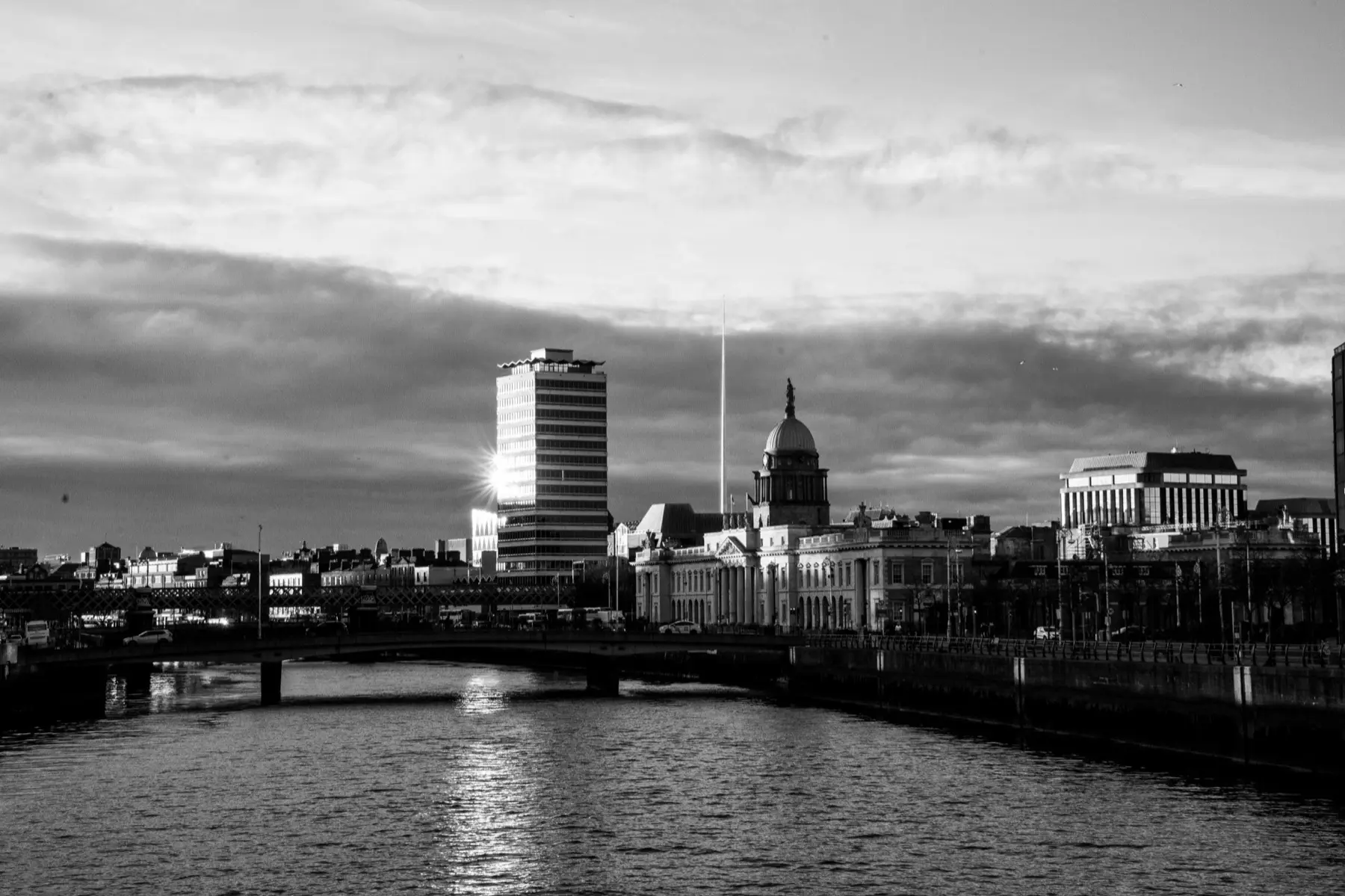
Dublin
Beyond St Patrick’s week, the shoulders are cheap, walkable and just as green.
When to visit Dublin
Dublin is calmest in January and busiest in July. For the best balance of decent weather and smaller crowds, aim for February.
Dublin has a shallow crowd curve punctuated by one enormous spike. St Patrick’s Festival, around 17 March, runs for four or five days and brings hundreds of thousands of visitors into a compact centre; hotel rates that week are the highest of the year, higher than August, and they need booking months in advance. Take that week out and March is otherwise an ordinary, cheap, damp month.
The rest of the year follows the northern-European pattern with a modest ceiling. July and August are the busiest, helped by long daylight and a domestic and British holiday market, but Dublin never reaches the density of Edinburgh in August or Amsterdam in April — the visitor pressure lands on a short list of places, chiefly Trinity College, the Guinness Storehouse, Temple Bar and Kilmainham Gaol, rather than the whole city. December is the other lift, driven by Christmas shopping on Grafton and Henry Streets rather than by markets.
Weather should not drive the decision, because it barely varies: ten to thirteen rain days every single month, highs between 8°C in winter and 20°C in July. That makes the shoulder months genuinely attractive. May and September have the best light and the driest odds, February and November are the cheapest, and any month rewards having two indoor options ready. The one thing worth checking is the Six Nations calendar — a home rugby weekend at the Aviva fills the city as thoroughly as a bank holiday.
Book things to do
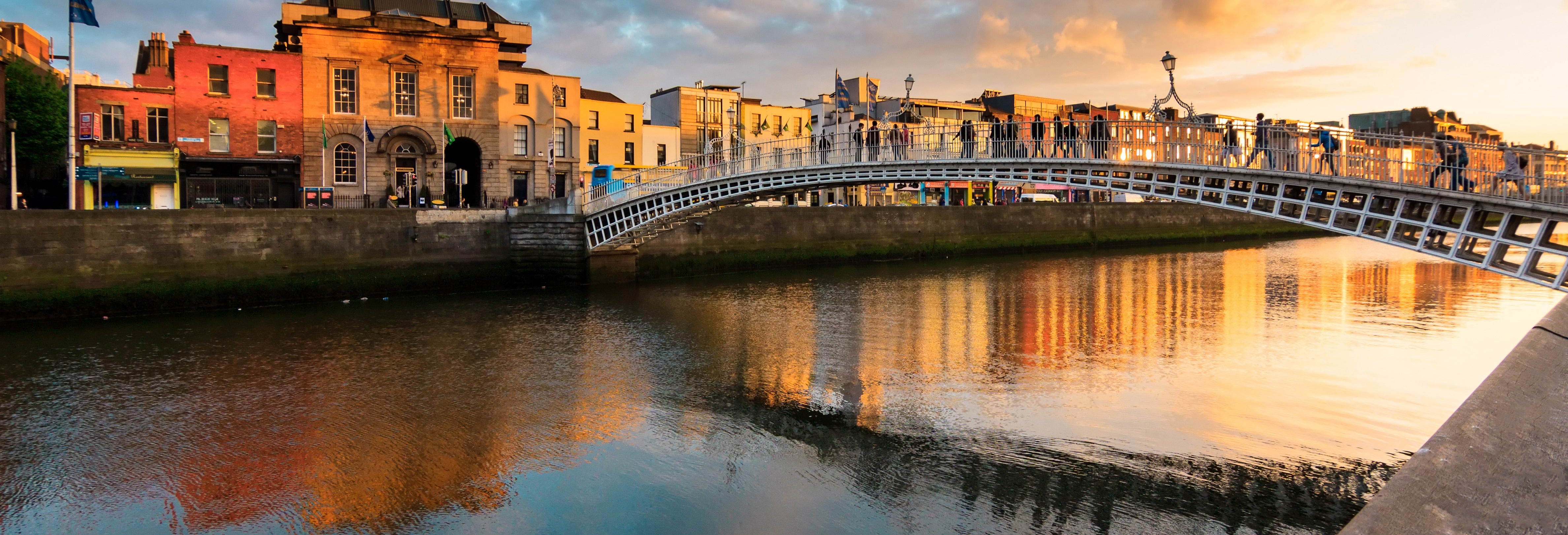
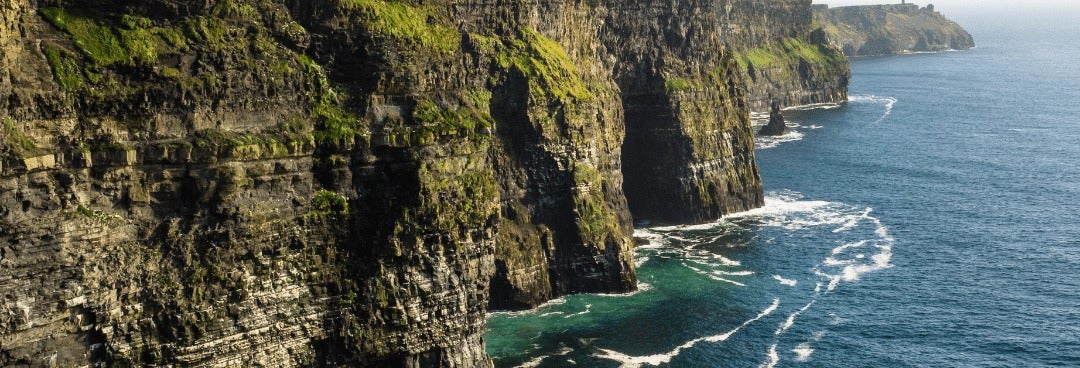
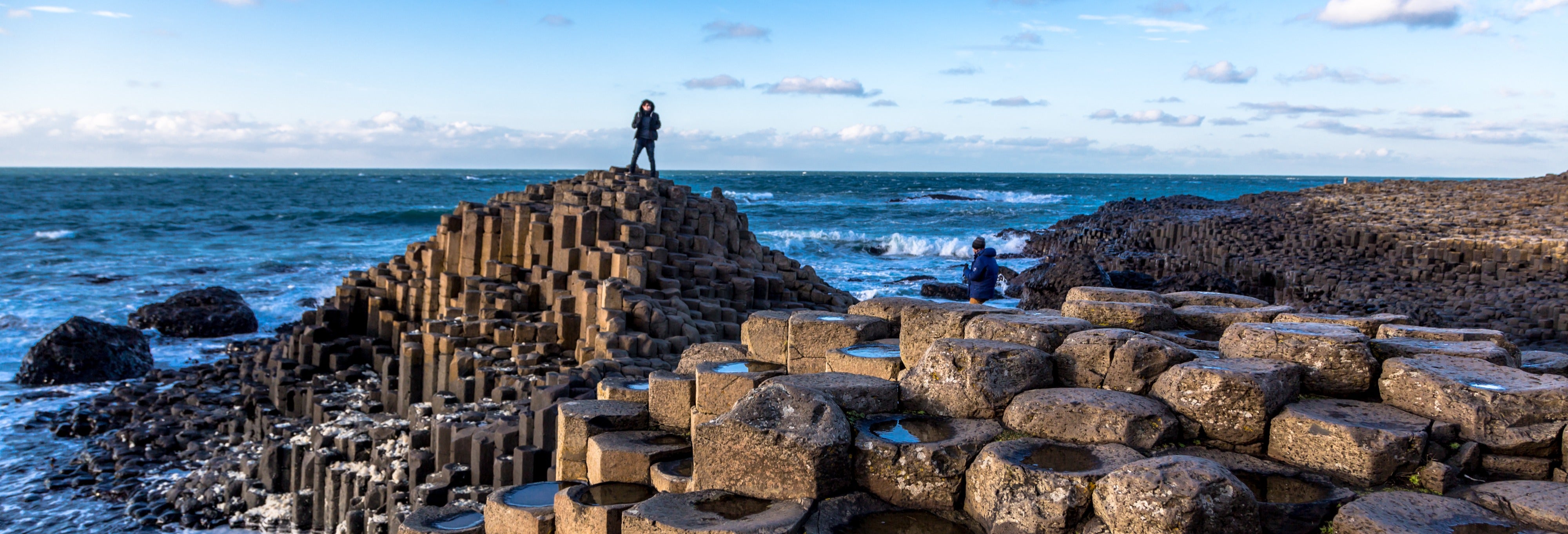
Tours and tickets in Dublin, from our booking partner.
 Free cancellation
 Free cancellation
 Free cancellation
 Free cancellation
 Free cancellation
Crowds month by month
Twelve months of Dublin at a glance — tap a month for the full picture.
Every month in Dublin
Weather, crowds and what’s on — one page per month.
Weather through the year
Typical highs, lows and wet days.
Best day of the week
How the crowd moves through a typical week.
Tue is normally the calmest day of the week.
Best time of day
The daily rhythm, hour by hour.
The 9:00 AM window is usually the calmest of the day.
Where the crowd gathers
A typical peak afternoon in the centre.
How long to stay
Two full days covers Trinity, the national museums, Kilmainham and a night out; a third for Howth, Glendalough or the Boyne valley.
Local timing tips
- Book Kilmainham Gaol and the Book of Kells online well ahead — both are timed, both sell out, and neither takes reliable walk-ups in summer.
- The National Museum, the National Gallery and the Chester Beatty are all free and all excellent, which makes them the default plan when it rains.
- Drink in the Liberties or on Camden Street rather than Temple Bar, where a pint costs roughly half as much again for the same beer.
- Check the Six Nations and GAA fixtures before booking: a home international at the Aviva or Croke Park fills every hotel bed in the city.
Frequently asked questions
When is the best time to visit Dublin?
The best time to visit Dublin is January, the quietest month of the year, or the shoulder weeks around February when the crowd eases but the weather still holds.
What is the cheapest and quietest month in Dublin?
January is the quietest month in Dublin, with a modelled crowd level near 40/100 and typical highs of 8°C.
When is Dublin most crowded?
Dublin peaks in July, when both visitor numbers and prices are at their highest.
How many days do you need in Dublin?
Two full days covers Trinity, the national museums, Kilmainham and a night out; a third for Howth, Glendalough or the Boyne valley.
Other attractions

Photo: Erik Glauber · Pexels