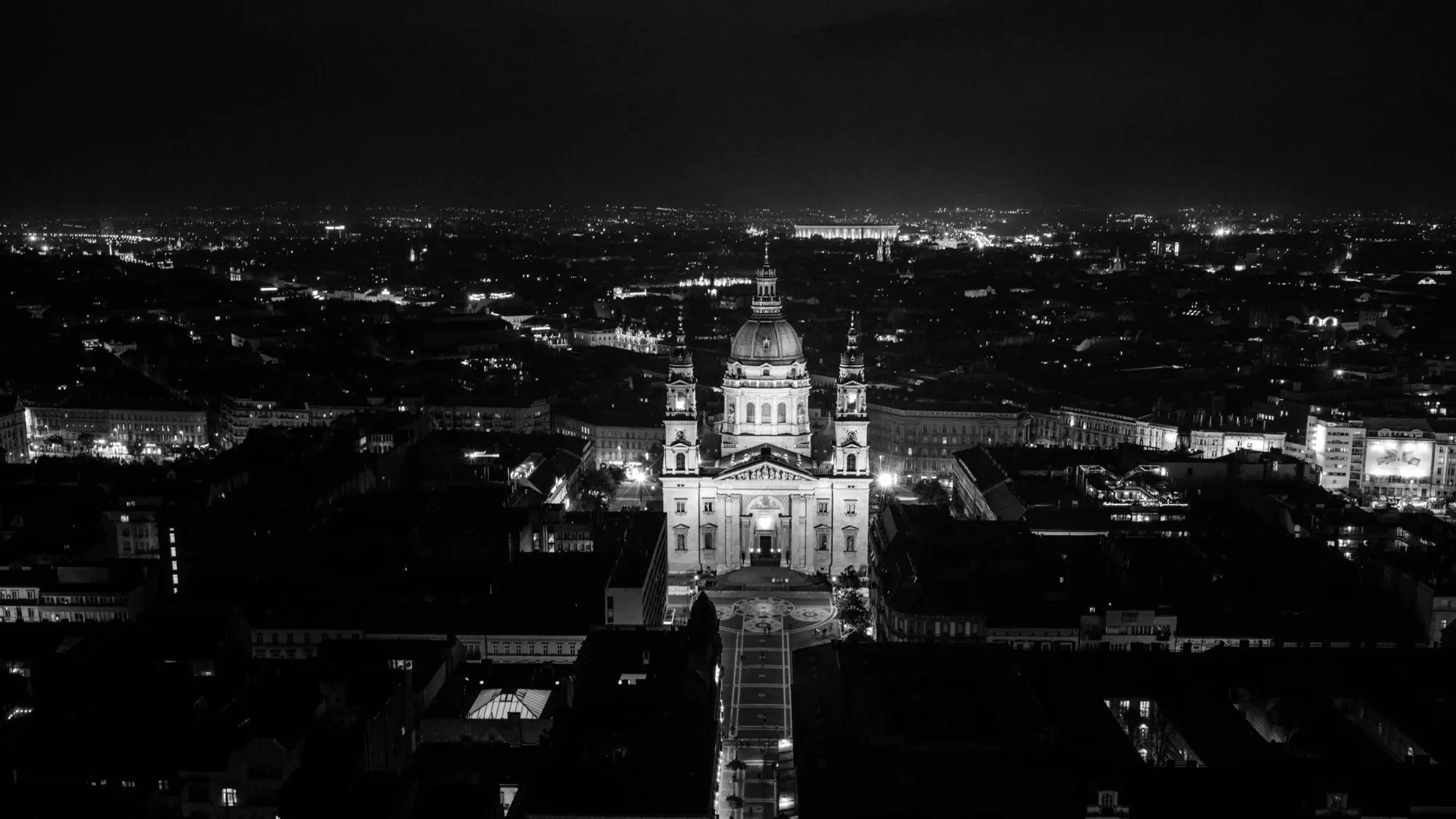
Budapest
March and late October give you the baths, the light and none of the summer queue.
When to visit Budapest
Budapest is calmest in January and busiest in August. For the best balance of decent weather and smaller crowds, aim for February.
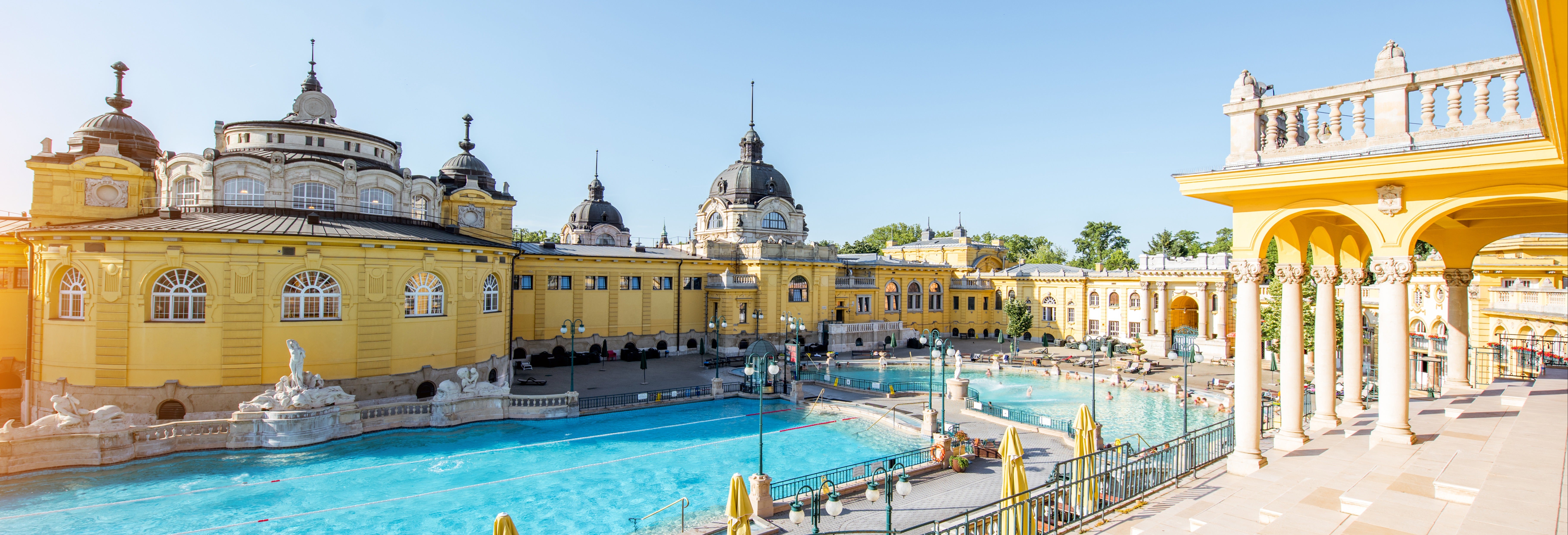
Budapest follows the standard continental pattern — a summer peak, a December bump, a cold trough — but with one local twist: the thermal baths change how the seasons feel. Széchenyi and Gellért are pleasant in July and genuinely magical in February, when you sit in 38°C water with steam rising into a sub-zero morning. That single fact makes winter here far more attractive than the same months in most cities at the same latitude.
The peak runs June to August, driven by overseas visitors, river cruise passengers moving between Passau and the lower Danube, and a ruin-bar scene that has become a destination in itself. August is the fullest month because Sziget lands mid-month and St Stephen’s Day on the 20th closes the summer with fireworks along the whole river. Heat is real — high twenties routinely, low thirties in a hot spell — and the Buda hills offer the only reliable relief.
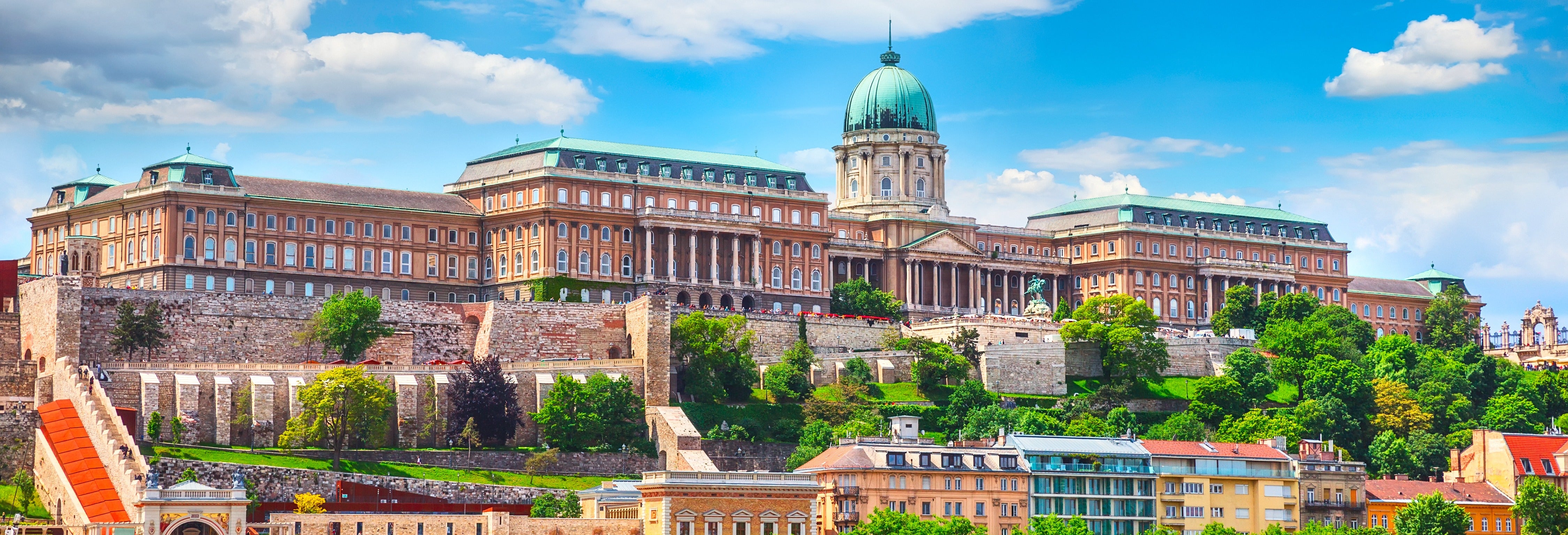
The value months are March, late October and November. Spring arrives quickly on the plain, the National Day parade on 15 March is a proper local occasion rather than a tourist event, and Castle Hill in March costs a fraction of what it does in July. December is a genuine exception to the winter calm: the Vörösmarty Square and Basilica markets are among the better ones in central Europe and pull weekend crowds from mid-November onwards.
Book things to do
Tours and tickets in Budapest, from our booking partner.
Crowds month by month
Twelve months of Budapest at a glance — tap a month for the full picture.
Every month in Budapest
Weather, crowds and what’s on — one page per month.
Weather through the year
Typical highs, lows and wet days.
Best day of the week
How the crowd moves through a typical week.
Tue is normally the calmest day of the week.
Best time of day
The daily rhythm, hour by hour.
The 9:00 AM window is usually the calmest of the day.
Where the crowd gathers
A typical peak afternoon in the centre.
How long to stay
Three days covers Castle Hill, the Pest boulevards, a bath afternoon and a night on the ruin-bar circuit; a fourth adds Szentendre or the Danube Bend.
Local timing tips
- Széchenyi is busiest from late morning to mid-afternoon; go at opening, and bring flip-flops and a towel rather than renting them at the desk.
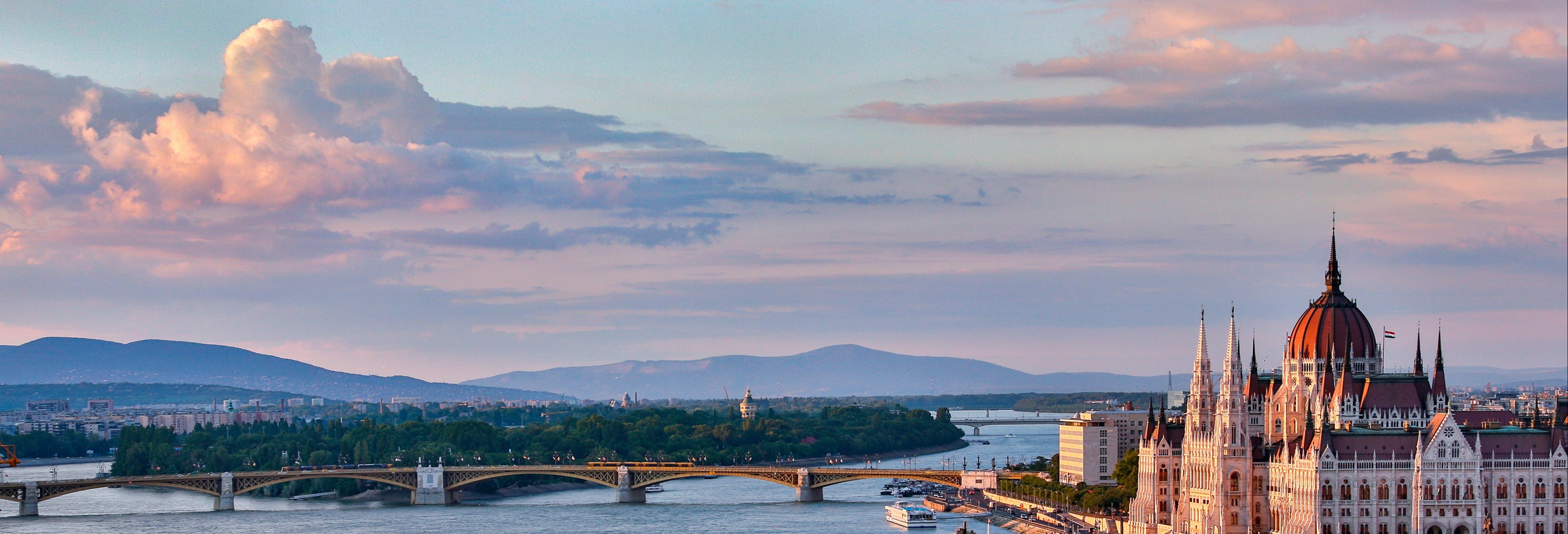
- The Parliament interior is guided-tour only with a fixed daily quota — book on the official site well ahead, and note EU citizens pay a reduced rate.
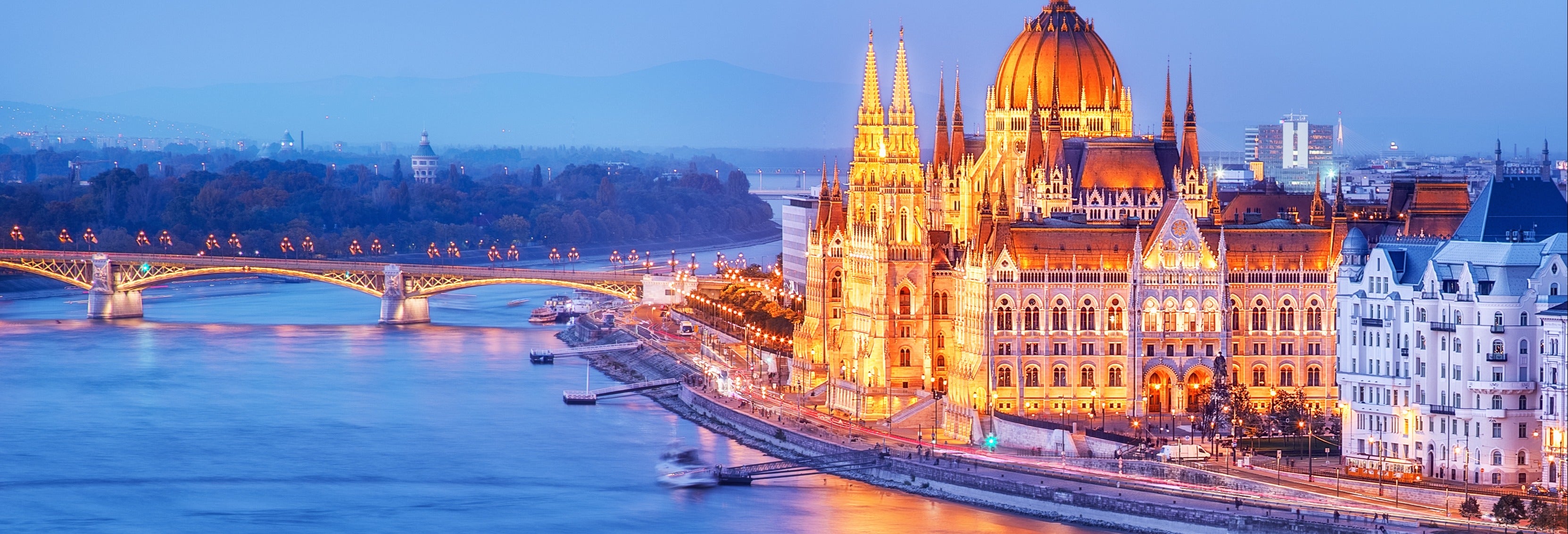
- Take tram 2 along the Pest embankment at dusk for the Castle and Parliament views; it costs a standard ticket and beats any paid river cruise.
- Always pay in forint and refuse dynamic currency conversion, and avoid the street exchange booths near Váci utca — the rates there are the worst in the city.
Frequently asked questions
When is the best time to visit Budapest?
The best time to visit Budapest is January, the quietest month of the year, or the shoulder weeks around February when the crowd eases but the weather still holds.
What is the cheapest and quietest month in Budapest?
January is the quietest month in Budapest, with a modelled crowd level near 38/100 and typical highs of 3°C.
When is Budapest most crowded?
Budapest peaks in August, when both visitor numbers and prices are at their highest.
How many days do you need in Budapest?
Three days covers Castle Hill, the Pest boulevards, a bath afternoon and a night on the ruin-bar circuit; a fourth adds Szentendre or the Danube Bend.
Other attractions


Photo: K · Pexels