Poland
Winter is quiet almost everywhere; summer fills the Baltic coast and the Tatras, and a run of public holidays moves the whole country.
When to visit Poland
Across Poland as a whole, January is typically the calmest month and August the busiest. Crowds are not uniform, though — see how the regions differ below.
Poland’s crowd curve follows the school calendar as much as the weather. January and February are the calmest months, the country builds steadily from April to a peak in August, with July and June close behind, and September is still busy in the cities. The numbers fall through October and November, then a smaller December bump arrives with the Christmas markets and the mountain holidays.
Domestic travel drives much of it. The school year ends on the last Friday of June and the summer holidays run to 31 August, so for about two months the sea and the mountains are full of Polish families, and the coast empties quickly once school starts on 1 September. Winter has its own version: two weeks of school holidays, staggered by region between mid-January and the end of February, send families to the ski towns.
Public holidays matter more than a city page can show. There are 14 a year, shops close on all of them, and the Sunday trading ban keeps most shops shut on most Sundays. A long weekend around 1 to 3 May, Corpus Christi or All Saints fills trains, mountain guesthouses and seaside rooms at short notice. Outside January and February, the calmest windows are March and November, both cold; April and October trade a little more crowd for milder weather.
Book things to do
Poland: tours and tickets in Krakow, Warsaw, from our booking partner.
 Free cancellation


It is not the same everywhere
The climate splits three ways. The Baltic coast has the mildest winters and the coolest summers, with a sea breeze that makes July feel cooler than the 24 °C averaged by Warsaw and Kraków, and its season is short: swimming is realistic only from about mid-July to the second half of August. The central lowlands, Warsaw included, are the most continental, with cold winters and hot summer afternoons. The Tatras in the south are a different country: snow lies from late autumn into spring, summer storms build in the afternoon, and the national park closes a few trail sections from 1 December to 15 May.
Getting around
Fast intercity trains link the main cities: Warsaw to Kraków and Warsaw to Gdańsk each take roughly two and a half hours on the quickest services. The network radiates from Warsaw, so getting from Kraków to the Baltic coast usually means changing there. Zakopane and the Tatras sit at the end of the line in the south; the trip from Warsaw needs at least a night rather than a day, and in July, August and the winter holidays seats and rooms should be booked ahead.
Crowds month by month across Poland
Averaged across the 2 destinations we cover — tap a month for the full picture.
Weather across Poland
Averaged across our destinations. The spread column shows how far apart the warmest and coolest are.
| # | Average high | Average low | Wet days | Spread |
|---|---|---|---|---|
| January | 2°C | -4°C | 11 | ±1° |
| February | 4°C | -3°C | 11 | ±2° |
| March | 8°C | -1°C | 9 | ±2° |
| April | 15°C | 4°C | 10 | ±1° |
| May | 20°C | 9°C | 12 | ±1° |
| June | 23°C | 13°C | 11 | ±0° |
| July | 25°C | 15°C | 13 | ±1° |
| August | 25°C | 14°C | 10 | ±1° |
| September | 20°C | 10°C | 10 | ±1° |
| October | 14°C | 6°C | 9 | ±2° |
| November | 8°C | 1°C | 9 | ±3° |
| December | 3°C | -3°C | 9 | ±2° |
More tours and tickets
More options from our booking partner.


Where we have data in Poland
Each city has its own crowd calendar and twelve month pages.
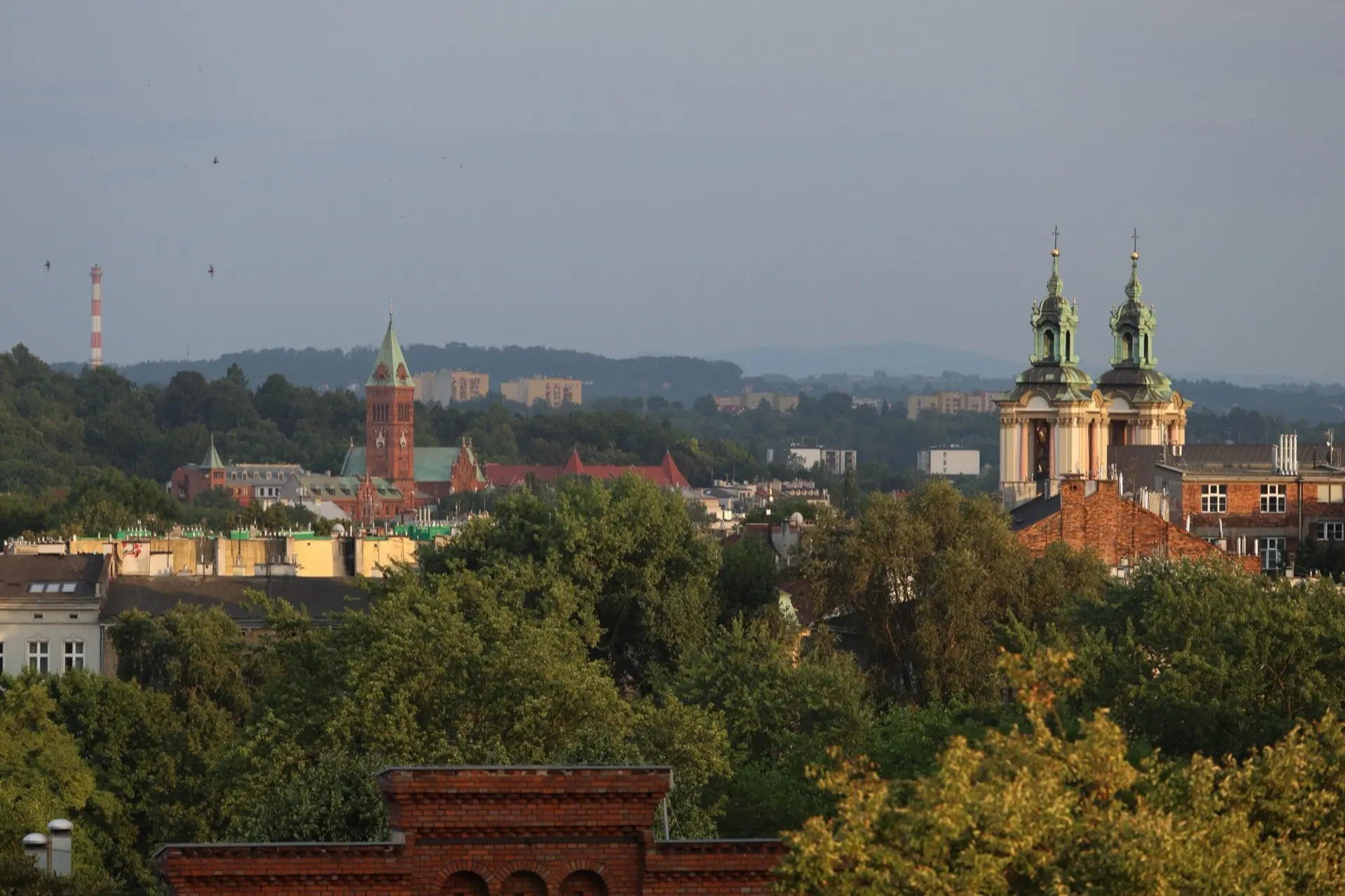
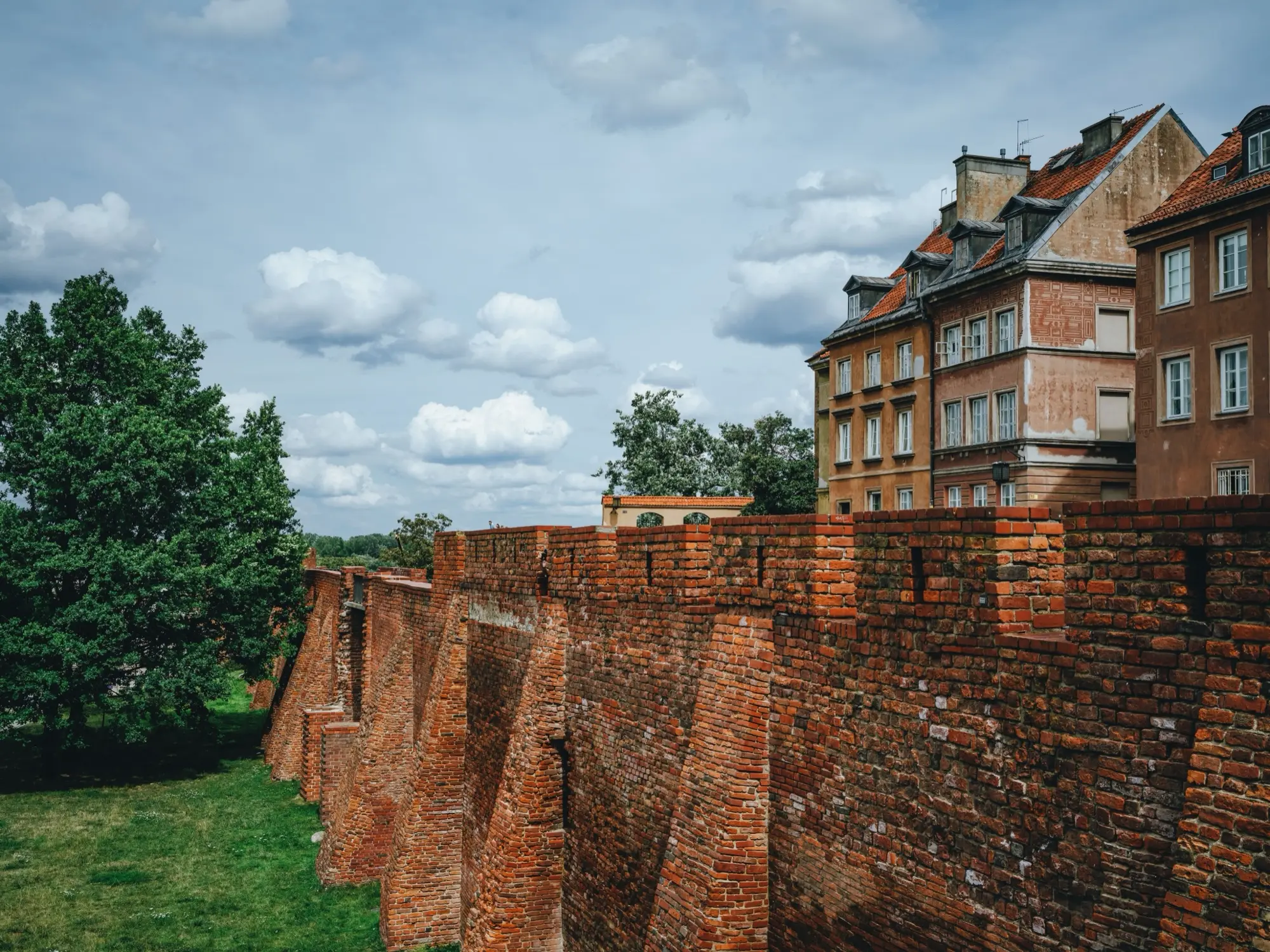
Every month in Poland
Country-level tips
- Check the holiday calendar before fixing dates: 1 and 3 May, Corpus Christi, 1 November and the Christmas days close shops and many museums and fill trains and rooms.
- Buy food and essentials before Sunday: the trading ban keeps most shops shut on most Sundays, with only a few trading Sundays a year, including the three before Christmas; petrol stations, pharmacies and shops at stations and airports stay open.
- Read the Tatra National Park notices before planning a hike between 1 December and 15 May, when a few sections are closed, such as the route from Morskie Oko to the Five Ponds Valley; in winter the trails are not maintained.
- On the Baltic coast, the second half of July and August is the best time for swimming; in June and September the water is cooler and the beaches far emptier, which suits walkers better than swimmers.
Frequently asked questions
When is the best time to visit Poland?
The best time to visit Poland is around January, when crowds across the country sit near 39/100 and average highs are about 2°C.
What is the quietest month in Poland?
January is the quietest month across the destinations we track in Poland, averaging 39/100.
When is Poland most crowded?
Poland peaks in August, when domestic and international travel overlap.