Warsaw
The calendar is flatter than in most capitals: January is the calm, August the peak, and from June to October the crowds hardly let up.
When to visit Warsaw
Warsaw is calmest in January and busiest in August. For the best balance of decent weather and smaller crowds, aim for February.
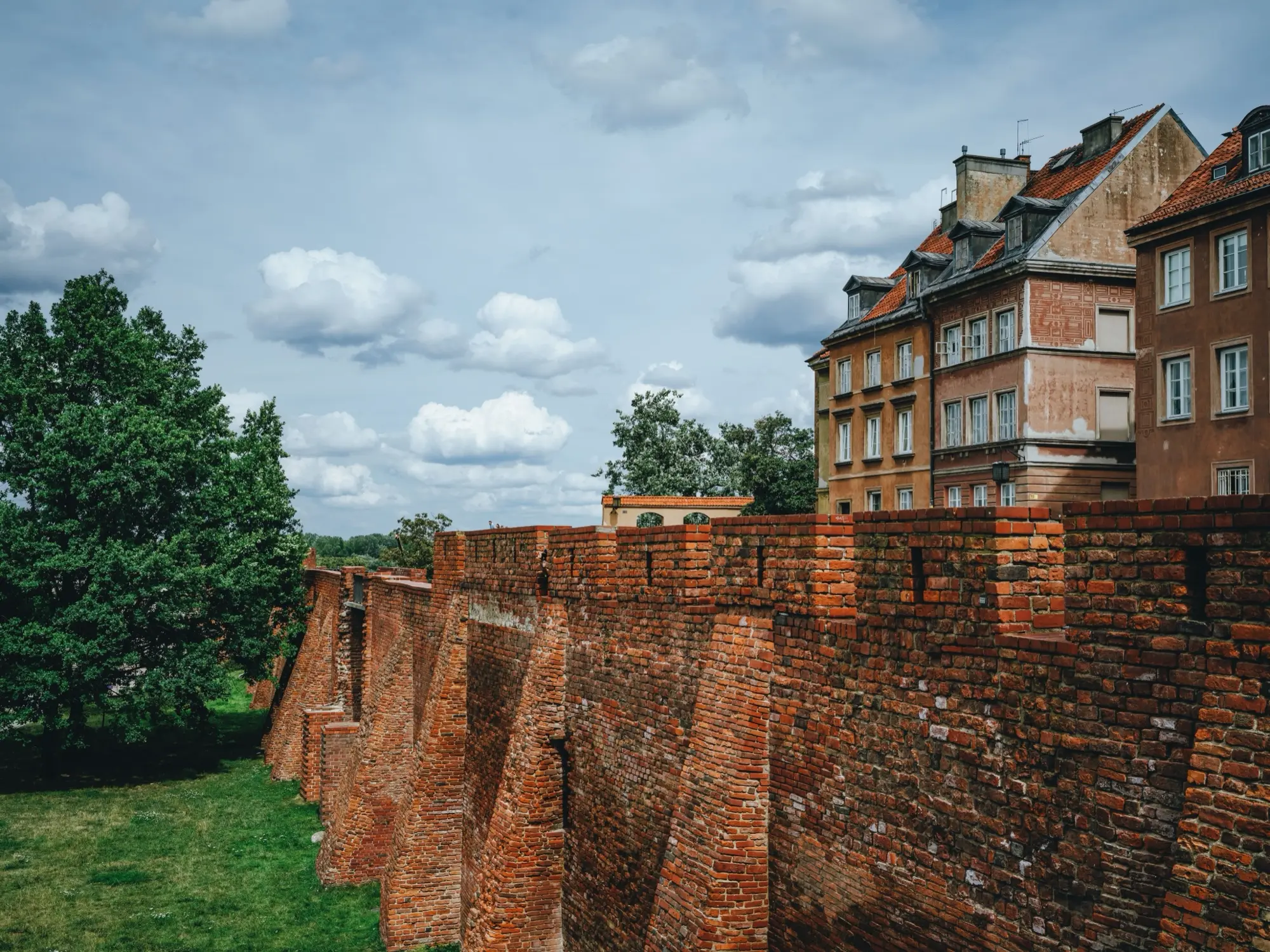
Warsaw is a working capital before it is a tourist destination, which flattens its crowd curve. The Old Town, rebuilt after the destruction of 1944, and the Royal Route carry visitors all year, but there is no month when the city overflows, and the gap between the calmest and the busiest month is much narrower than in Kraków.
The busy stretch is long: June to October stays high, with August the peak. The calendar fills those months: the Uprising anniversary on 1 August, the Chopin and His Europe festival from late August, the Warsaw Autumn and the marathon in September and the film festival in October. On summer Sundays the free Chopin concerts in Łazienki Park draw a crowd to the lawn around the monument.
The calmest months are January and February, cold but easy, with museums almost empty on weekdays. For mild weather at moderate crowds, April and early December work best; May and September give the best walking weather, with more people around.
Book things to do
Tours and tickets in Warsaw, from our booking partner.
 Free cancellation


Crowds month by month
Twelve months of Warsaw at a glance — tap a month for the full picture.
Every month in Warsaw
Weather, crowds and what’s on — one page per month.
Quietest month: Warsaw in January
Weather through the year
Typical highs, lows and wet days.
Best day of the week
How the crowd moves through a typical week.
Tue is normally the calmest day of the week.
Best time of day
The daily rhythm, hour by hour.
The 9:00 AM window is usually the calmest of the day.
Where the crowd gathers
A typical peak afternoon in the centre.
How long to stay
Two days cover the Old Town, the Royal Route, Łazienki Park and the Warsaw Rising Museum; a third allows a slower look at the Praga district across the river.
Local timing tips
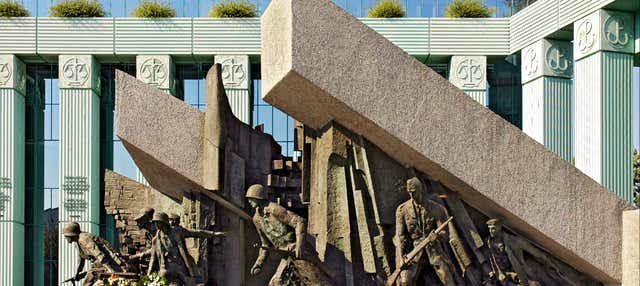
- The Warsaw Rising Museum is closed on Tuesdays and on holidays such as Easter, Corpus Christi and 25 December; admission is free on Thursdays, which tends to make Thursday the busiest day, so another weekday suits better.
- The free Sunday Chopin concerts in Łazienki Park are played at 12:00 and 16:00 by the monument; the 2026 season ran from 5 July to 27 September and in earlier years it started in May, so check the dates for your year.
- Museum Night, on a Saturday in mid-May (16 May in 2026), opens hundreds of museums and other sites in the evening and through the night, almost all with free entry; the official site has an itinerary planner and special transport lines.
- Most shops are closed on Sundays, apart from a few trading Sundays a year, and on public holidays, including 24 December since 2025; buy food and gifts the day before.
Where to stay
Outside peak season, nightly rates tend to be lower, and flexible dates help. Compare places to stay on Booking.com.
Frequently asked questions
When is the best time to visit Warsaw?
The best time to visit Warsaw is January, the quietest month of the year, or the shoulder weeks around February when the crowd eases but the weather still holds.
What is the cheapest and quietest month in Warsaw?
January is the quietest month in Warsaw, with a modelled crowd level near 44/100 and typical highs of 1°C.
When is Warsaw most crowded?
Warsaw peaks in August, when both visitor numbers and prices are at their highest.
How many days do you need in Warsaw?
Two days cover the Old Town, the Royal Route, Łazienki Park and the Warsaw Rising Museum; a third allows a slower look at the Praga district across the river.
Sources
Weather: 1995–2024 averages from the ERA5 climate reanalysis (Copernicus, via Open-Meteo); rain days count days with at least 1 mm.
Monthly crowd index: calculated from recorded overnight stays (table tour_occ_nin2m, 2022–2025; area: Warsaw capital region (PL91)), published byEurostat.
Crowd scores are modelled estimates, not live counts.How the model works
Events, holidays and practical notes are checked against these official pages:
Other attractions
Photo: Egor Komarov · Pexels