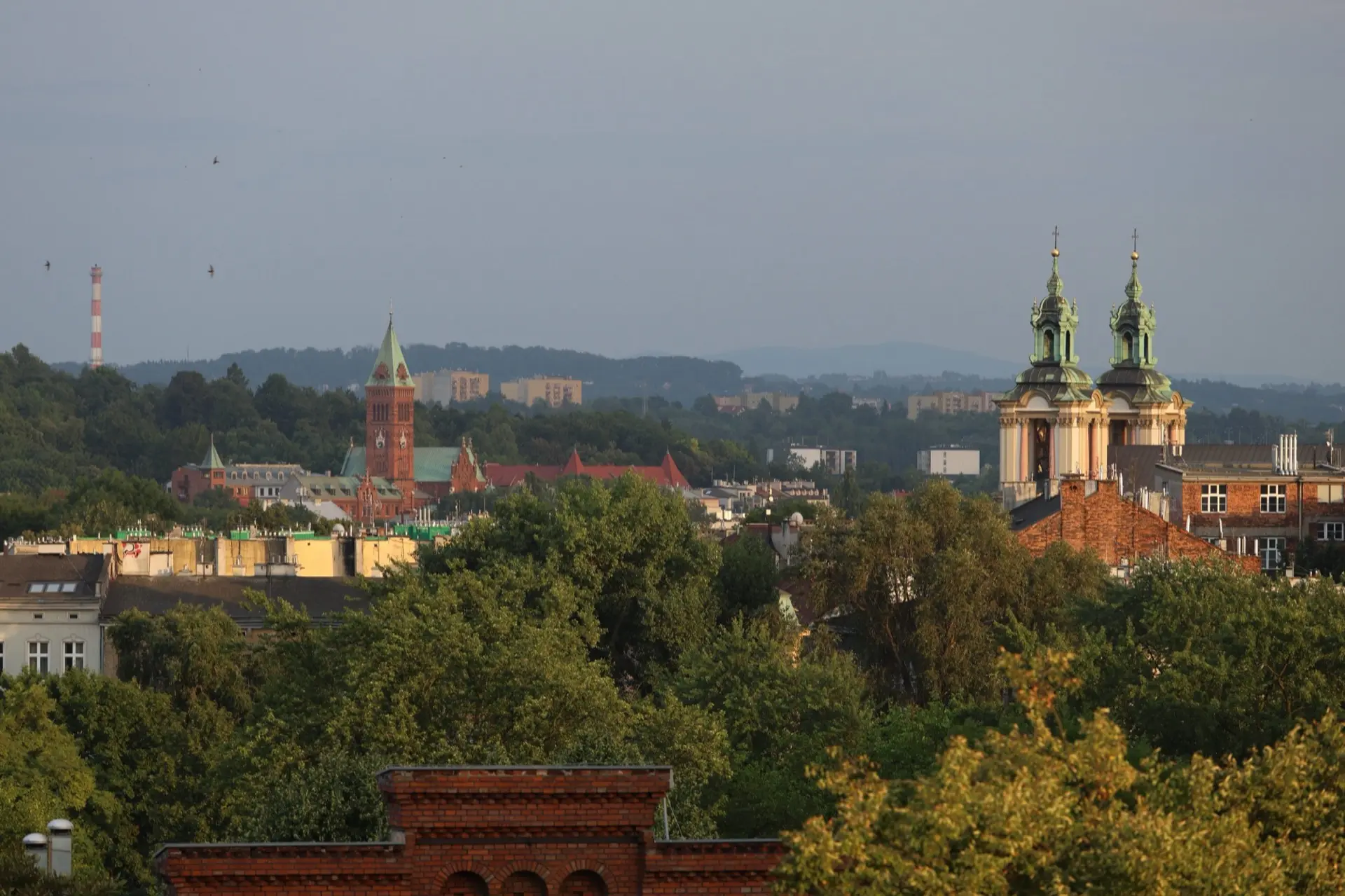
Krakow
Winter is cold and the Old Town is yours; summer is warm and everyone else’s.
When to visit Krakow
Krakow is calmest in February and busiest in July. For the best balance of decent weather and smaller crowds, aim for January.
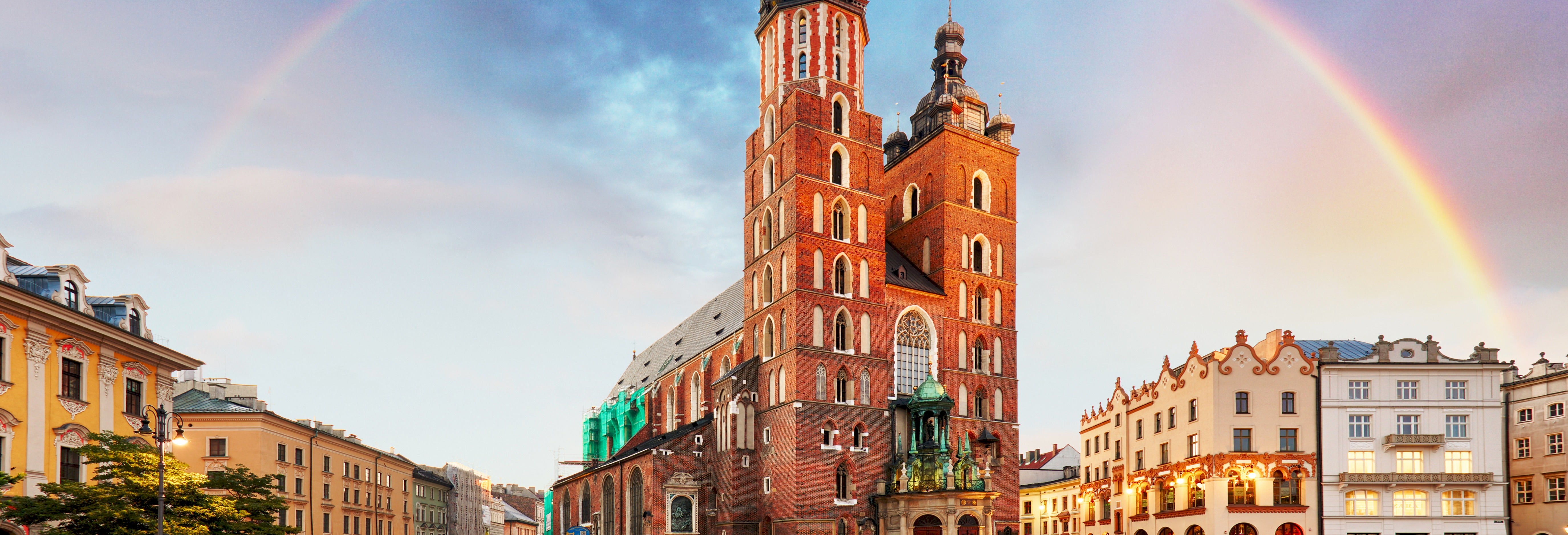
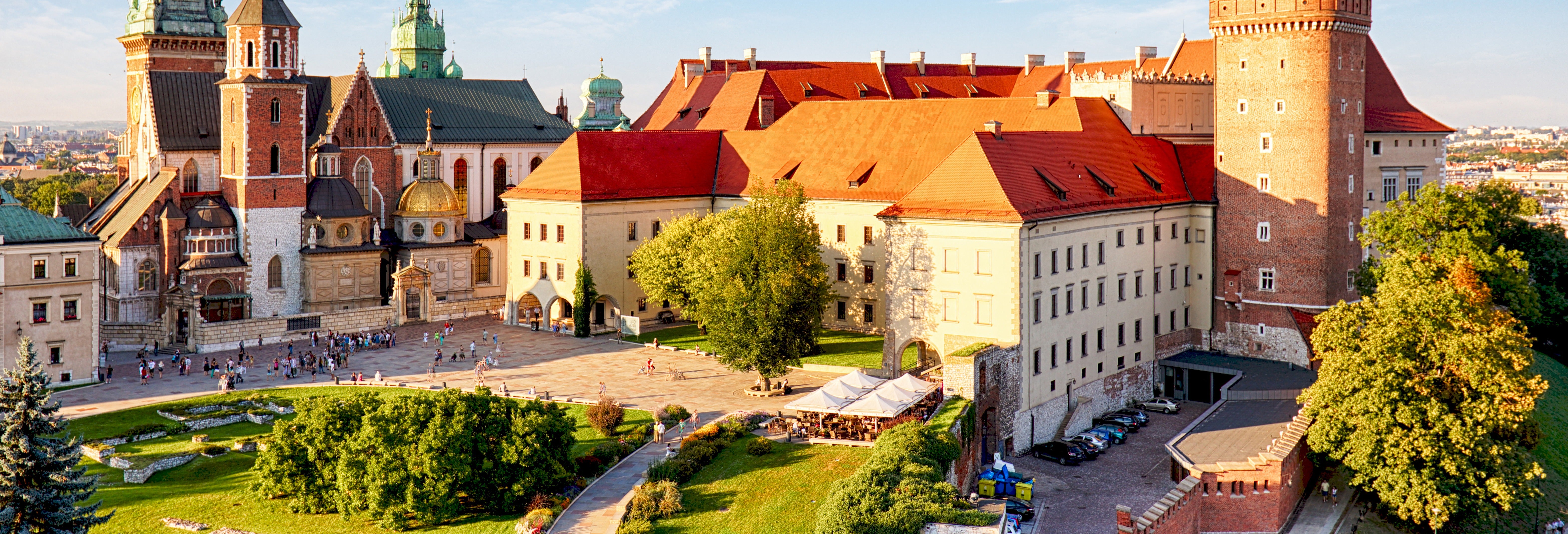
Kraków’s Old Town is compact, which is part of its charm and part of the problem: in July and August the Main Square, Floriańska Street and the path up to Wawel carry more people than they were built for. The same week in February feels like a different city, cold but calm, with the Cloth Hall arcades almost empty in the morning.
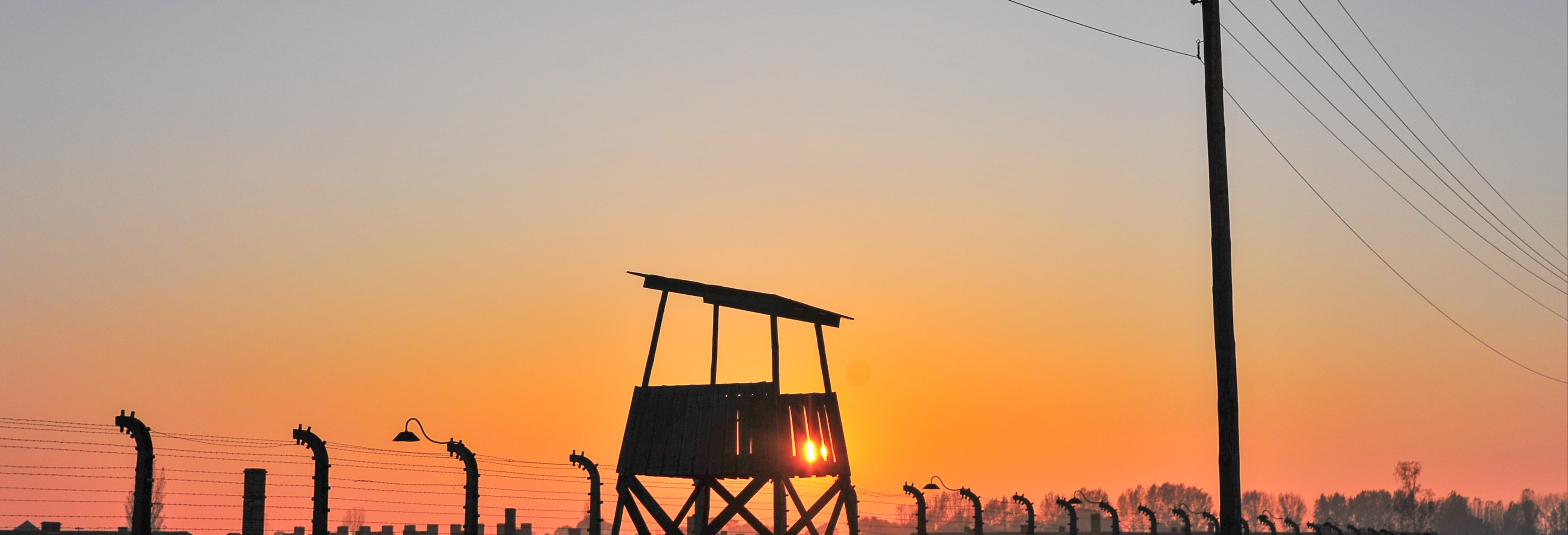
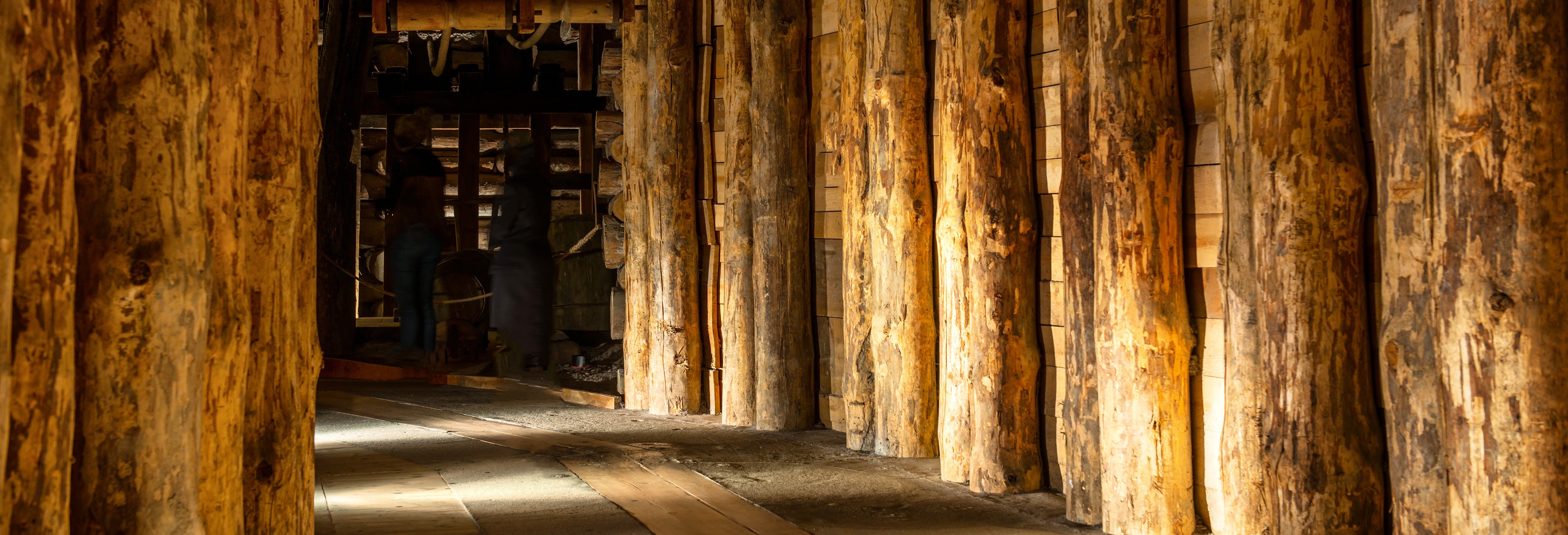
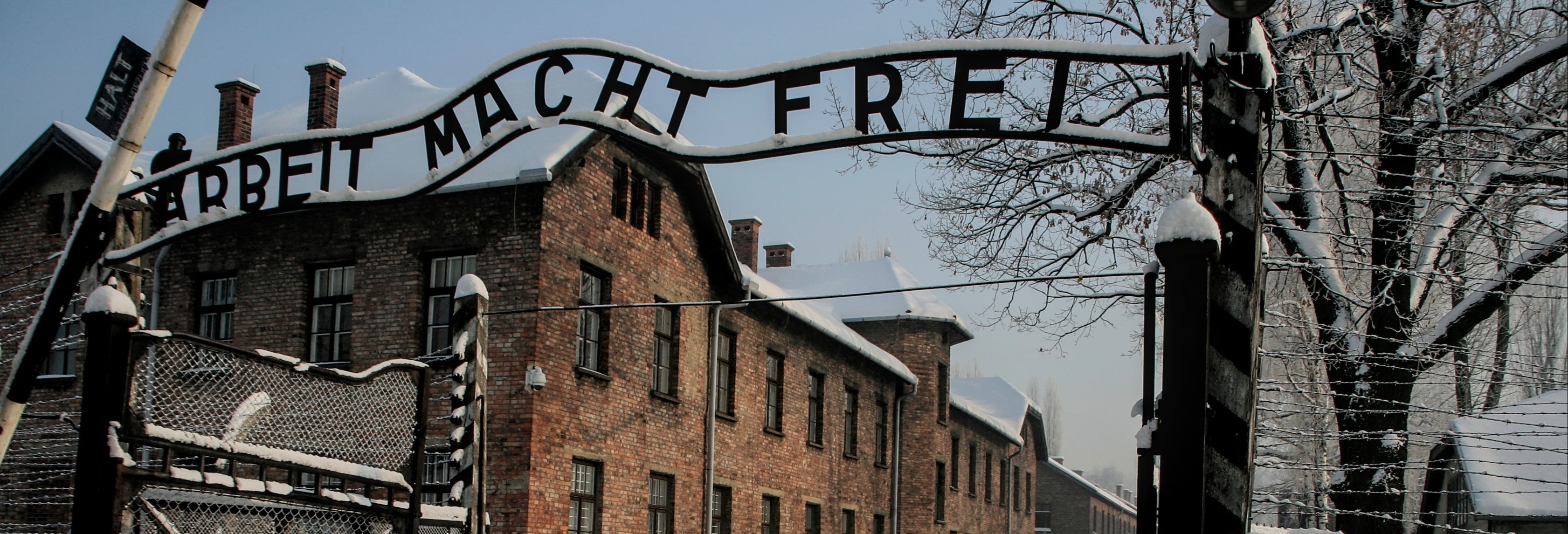
Two day trips shape the city’s crowd as much as the Old Town does. The Auschwitz-Birkenau Memorial and the Wieliczka salt mine both run on booked entry, and in summer their slots sell out days ahead. Between April and October, visits to Auschwitz in the middle of the day are with a guide only, so planning the date matters more than planning the hour.
The best balance is May, June and September: long days, pleasant temperatures and a crowd that is noticeable without being oppressive. December is a small peak of its own, with the Christmas market on the Main Square and the szopka nativity-crib contest early in the month.
Book things to do
Tours and tickets in Krakow, from our booking partner.
Crowds month by month
Twelve months of Krakow at a glance — tap a month for the full picture.
Every month in Krakow
Weather, crowds and what’s on — one page per month.
Weather through the year
Typical highs, lows and wet days.
Best day of the week
How the crowd moves through a typical week.
Tue is normally the calmest day of the week.
Best time of day
The daily rhythm, hour by hour.
The 9:00 AM window is usually the calmest of the day.
Where the crowd gathers
A typical peak afternoon in the centre.
How long to stay
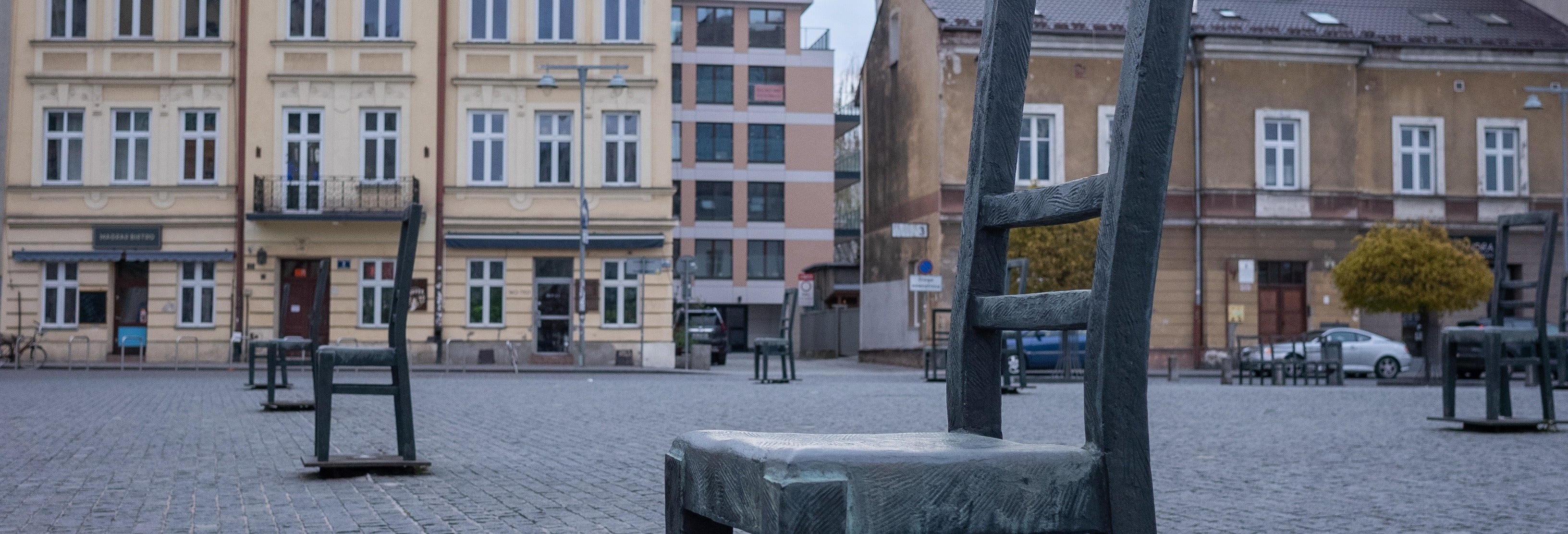
Three days: one for the Old Town and Wawel, one for Kazimierz and Podgórze, and one for Auschwitz-Birkenau or the Wieliczka salt mine. Four if you want both.
Local timing tips
- Book the Auschwitz-Birkenau Memorial on its official site as soon as your dates are fixed; free individual entry slots go first, then guided slots.
- The Wieliczka salt mine is a fixed-route guided tour of about two hours; book a language slot in advance in summer.
- Wawel’s State Rooms and Royal Private Apartments have separate tickets and daily limits; on Mondays only some exhibitions open.
- Many museums have one free day a week; check before you go, because free days are the busiest.
Frequently asked questions
When is the best time to visit Krakow?
The best time to visit Krakow is February, the quietest month of the year, or the shoulder weeks around January when the crowd eases but the weather still holds.
What is the cheapest and quietest month in Krakow?
February is the quietest month in Krakow, with a modelled crowd level near 32/100 and typical highs of 5°C.
When is Krakow most crowded?
Krakow peaks in July, when both visitor numbers and prices are at their highest.
How many days do you need in Krakow?
Three days: one for the Old Town and Wawel, one for Kazimierz and Podgórze, and one for Auschwitz-Birkenau or the Wieliczka salt mine. Four if you want both.
Sources
Weather: 1995–2024 averages from the Kraków-Balice weather station (NOAA GHCN-Daily); rain days count days with at least 1 mm.
Crowd scores are modelled estimates, not live counts.How the model works
Events, holidays and practical notes are checked against these official pages:
Other attractions


Photo: Serhii Barkanov · Pexels