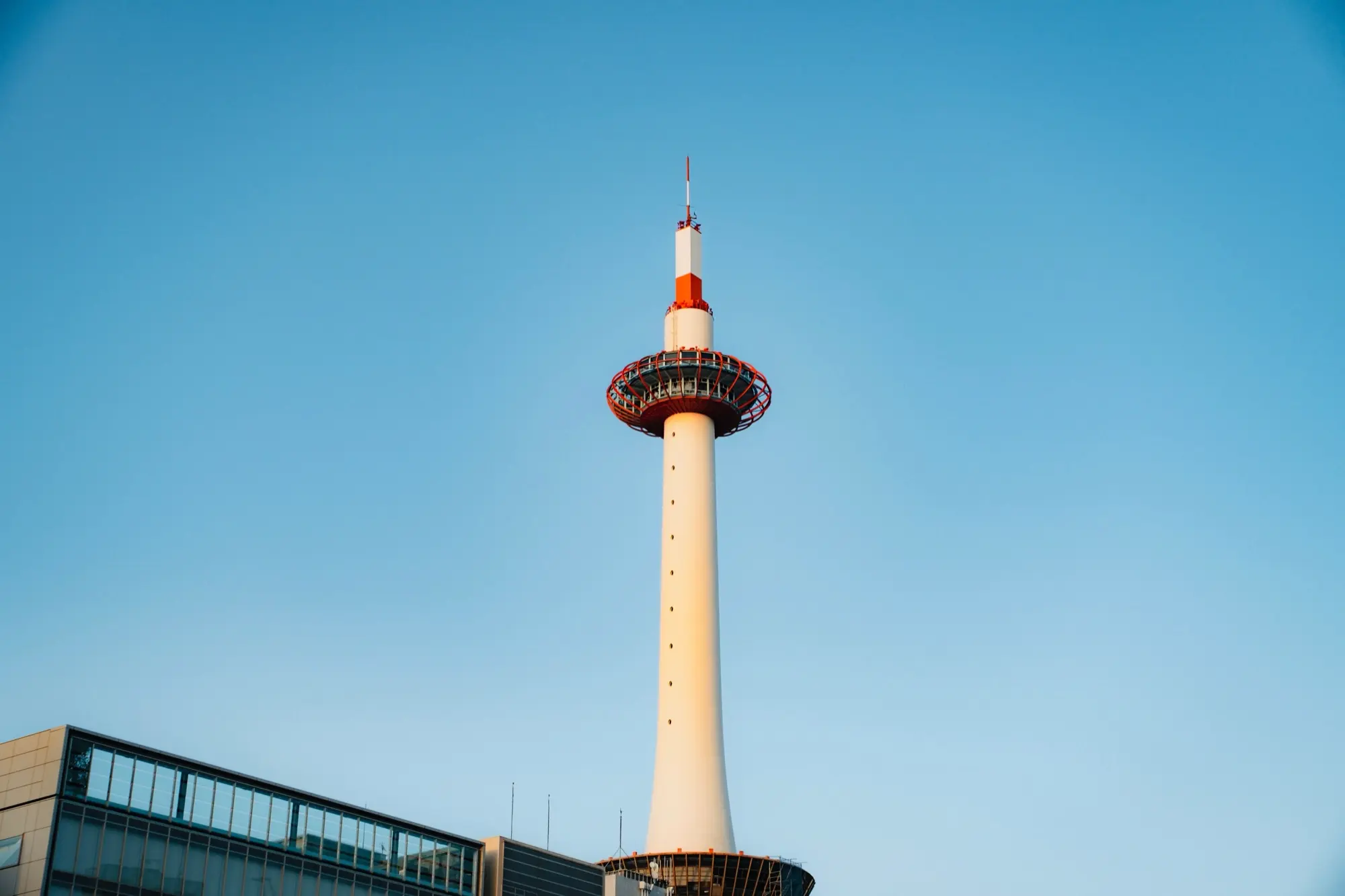
Kyoto
Kyoto has two sell-out months. The other ten are quietly, sometimes gloriously, open.
When to visit Kyoto
Kyoto is calmest in January and busiest in November. For the best balance of decent weather and smaller crowds, aim for February.
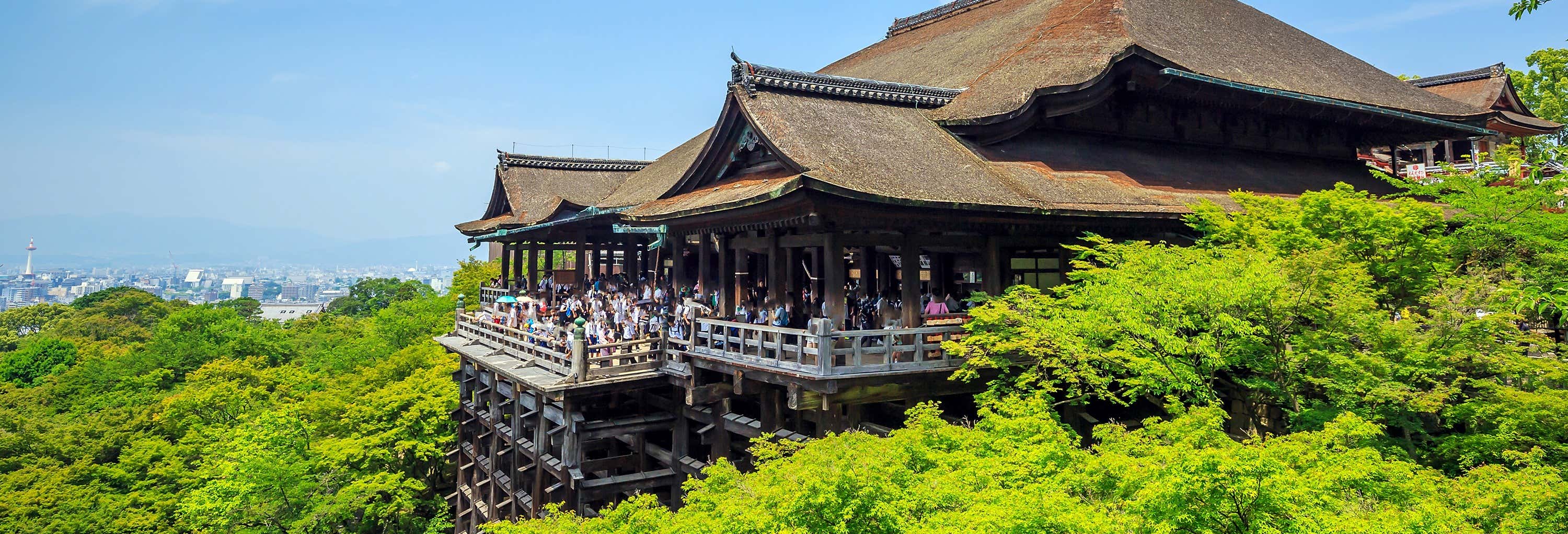
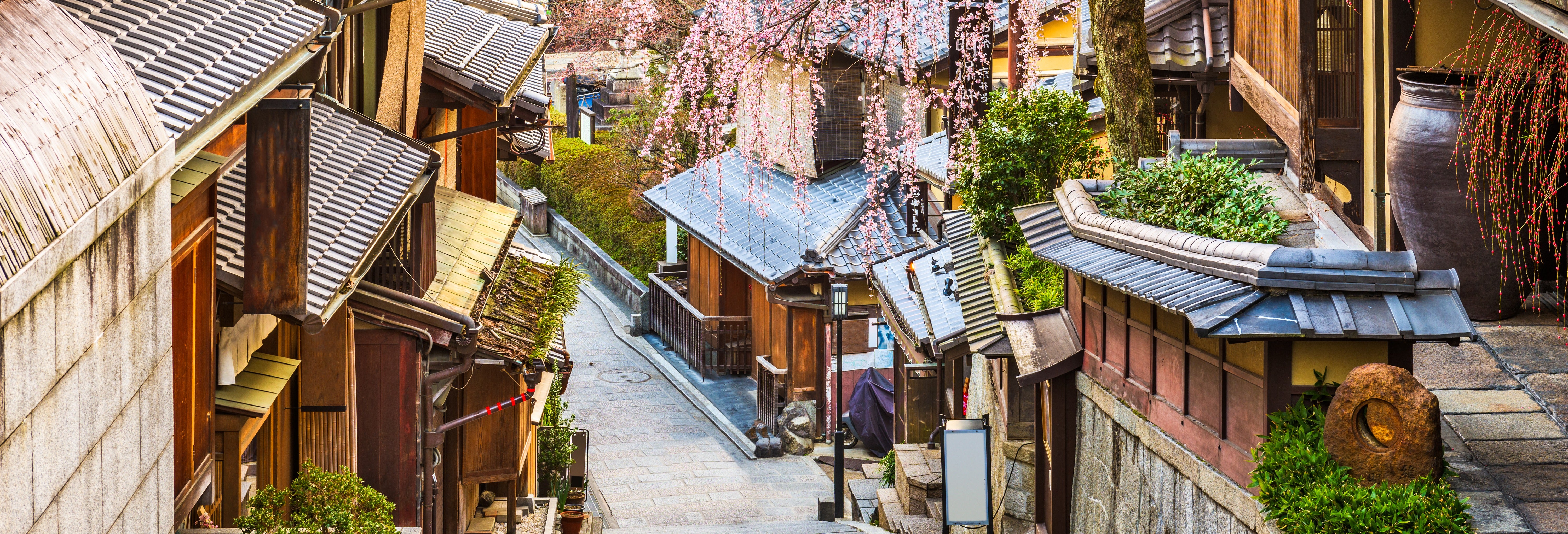
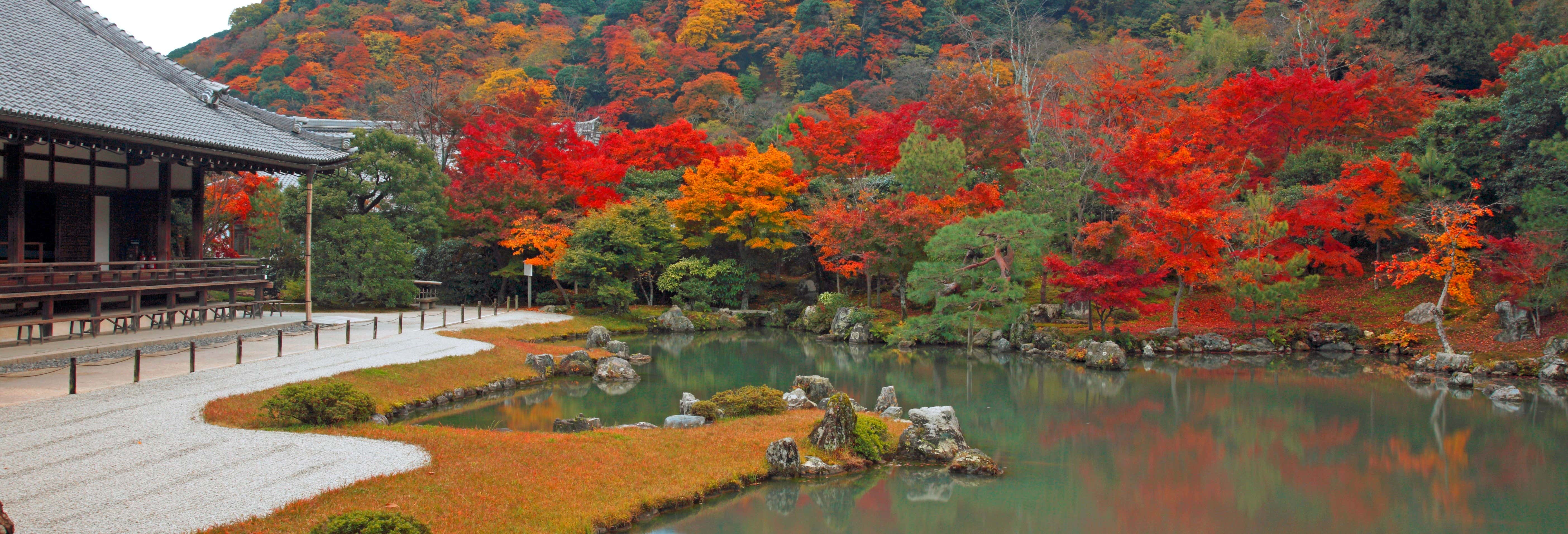
Kyoto has the most extreme crowd curve in Japan, and it is driven by two natural events rather than by school holidays. Cherry blossom peaks in the first ten days of April and autumn colour in the last two weeks of November. In those four weeks ryokan rates triple, the bus network gives up, and Kiyomizu-dera and Arashiyama are managed like stadium exits.
Everything else is negotiable. February is the quietest month of the year and, with cold clear air and occasional snow on the temple roofs, one of the most beautiful. June — the rainy season — is the connoisseur’s choice: moss gardens at their peak, gentle drizzle rather than downpours, and the chance to stand alone in places that are elbow-to-elbow six weeks later.
For a compromise, take the second week of May, once Golden Week has cleared, or mid-October before the colour starts. Both give you good weather, open gardens and a city that still functions normally.
Book things to do
Tours and tickets in Kyoto, from our booking partner.
Crowds month by month
Twelve months of Kyoto at a glance — tap a month for the full picture.
Every month in Kyoto
Weather, crowds and what’s on — one page per month.
Weather through the year
Typical highs, lows and wet days.
Best day of the week
How the crowd moves through a typical week.
Tue is normally the calmest day of the week.
Best time of day
The daily rhythm, hour by hour.
The 9:00 AM window is usually the calmest of the day.
Where the crowd gathers
A typical peak afternoon in the centre.
How long to stay
Three full days covers the main temple clusters; four or five if you want Nara, Uji or Fushimi without compressing them.
Local timing tips
- Kyoto is a bus city with a rail spine. Use the Karasuma and Tōzai subway lines plus the Keihan and Hankyu railways — the sightseeing buses are the slowest way to move in any busy month.
- Temples open between 6am and 9am depending on the site; Fushimi Inari and Kiyomizu-dera are effectively crowd-free before 8am in every month of the year.
- Saihō-ji, the moss temple, and the Katsura and Shugaku-in imperial villas need advance applications rather than same-day tickets — arrange those before you fly.
- Stay near Kyoto Station or Karasuma-Oike rather than in Gion: you will halve your daily transit time and pay considerably less for the room.
Frequently asked questions
When is the best time to visit Kyoto?
The best time to visit Kyoto is January, the quietest month of the year, or the shoulder weeks around February when the crowd eases but the weather still holds.
What is the cheapest and quietest month in Kyoto?
January is the quietest month in Kyoto, with a modelled crowd level near 40/100 and typical highs of 9°C.
When is Kyoto most crowded?
Kyoto peaks in November, when both visitor numbers and prices are at their highest.
How many days do you need in Kyoto?
Three full days covers the main temple clusters; four or five if you want Nara, Uji or Fushimi without compressing them.
Other attractions
Photo: Kuan-yu Huang · Pexels