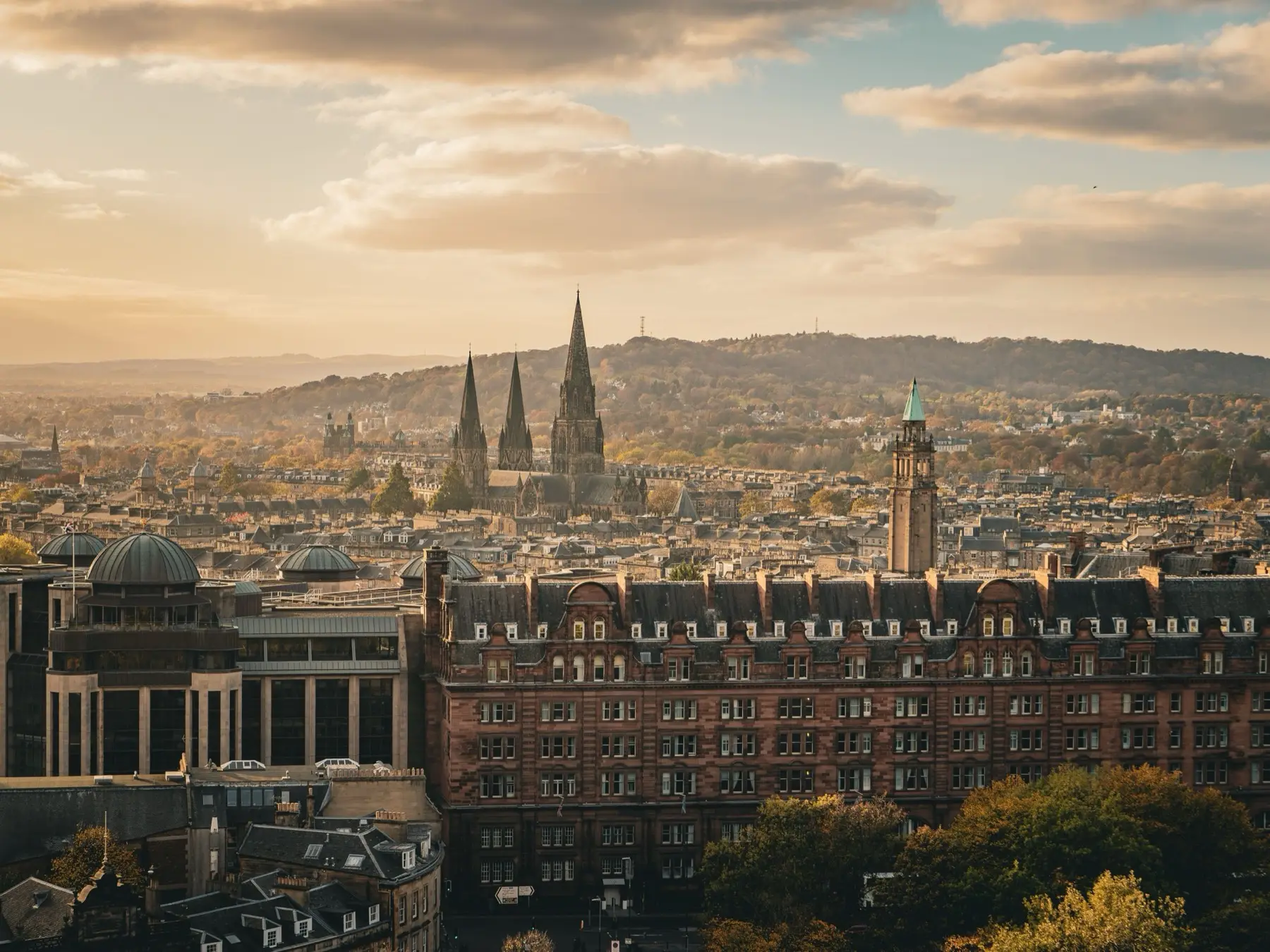
Edinburgh
August doubles the city and its prices; September is the same place for half of it.
When to visit Edinburgh
Edinburgh is calmest in February and busiest in August. For the best balance of decent weather and smaller crowds, aim for January.
No European city has a spikier calendar than Edinburgh. For most of the year it is a compact capital of half a million people that you can walk end to end in an hour. Then in August the Fringe, the International Festival, the Book Festival and the Military Tattoo run simultaneously for three and a half weeks, the population effectively doubles, the Royal Mile becomes a continuous performance, and accommodation prices go up by a factor of three or four. If you want the festival, come in August. If you do not, avoid it absolutely.
The second spike is Hogmanay. The street party, the concert in Princes Street Gardens and the Loony Dook carry demand from Boxing Day into the first days of January, and Burns Night on 25 January gives the month a small second lift. Beyond those two events, the curve is a modest northern-European summer bulge: July is busy and reasonably warm, June and September are pleasant, and February is the emptiest month of the year.
The weather never really justifies the peak. July, the warmest month, averages a high of 20°C and eleven rain days; the wind off the Forth makes any month feel colder than the number suggests. That argues for choosing on crowd and price instead, which points at late May, September and February. September in particular is the smart pick: the festival scaffolding has come down, the light is low and excellent on the Old Town, and hotel rates have collapsed back to normal within a week.
Book things to do
Tours and tickets in Edinburgh, from our booking partner.
Crowds month by month
Twelve months of Edinburgh at a glance — tap a month for the full picture.
Every month in Edinburgh
Weather, crowds and what’s on — one page per month.
Weather through the year
Typical highs, lows and wet days.
Best day of the week
How the crowd moves through a typical week.
Tue is normally the calmest day of the week.
Best time of day
The daily rhythm, hour by hour.
The 9:00 AM window is usually the calmest of the day.
Where the crowd gathers
A typical peak afternoon in the centre.
How long to stay
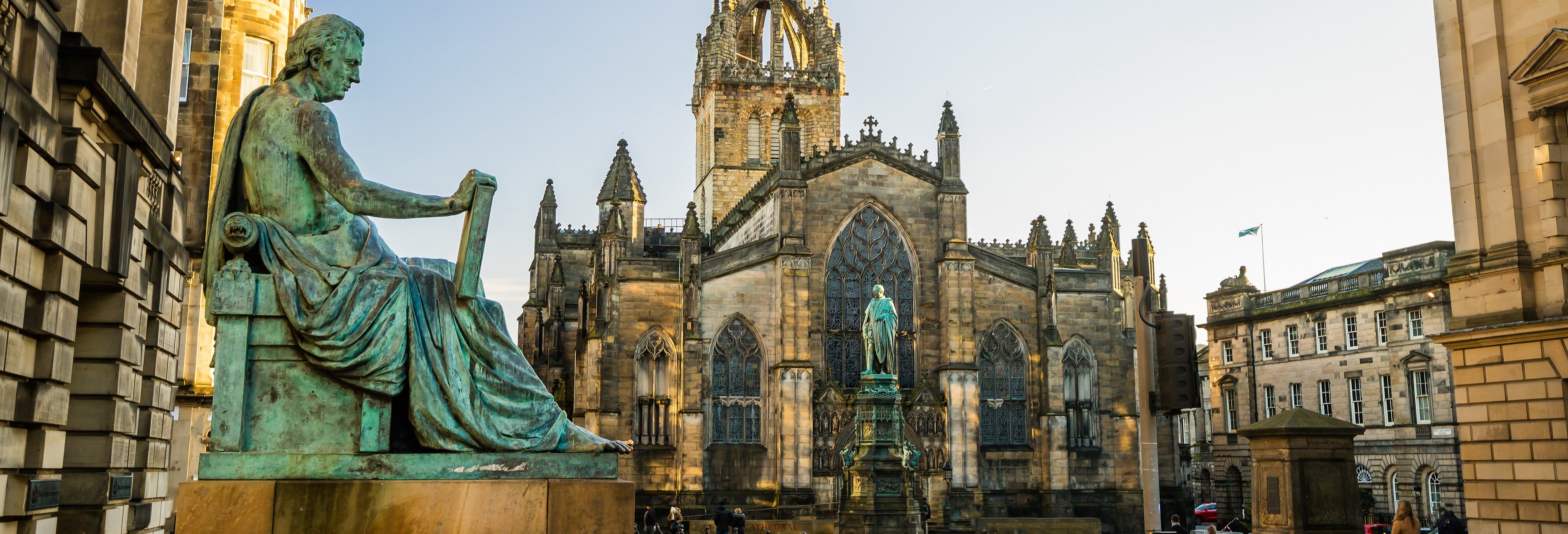
Two full days covers the castle, the Royal Mile, Holyrood and the New Town; a third for Arthur’s Seat, Leith and a distillery or the Britannia.
Local timing tips
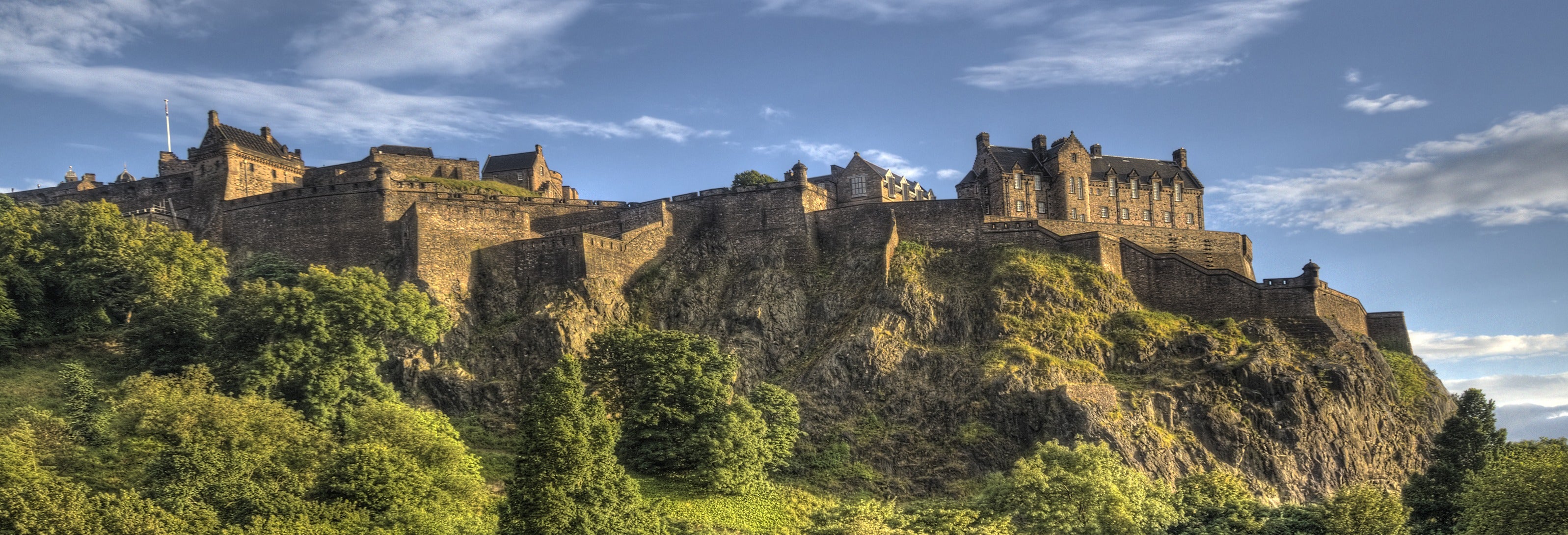
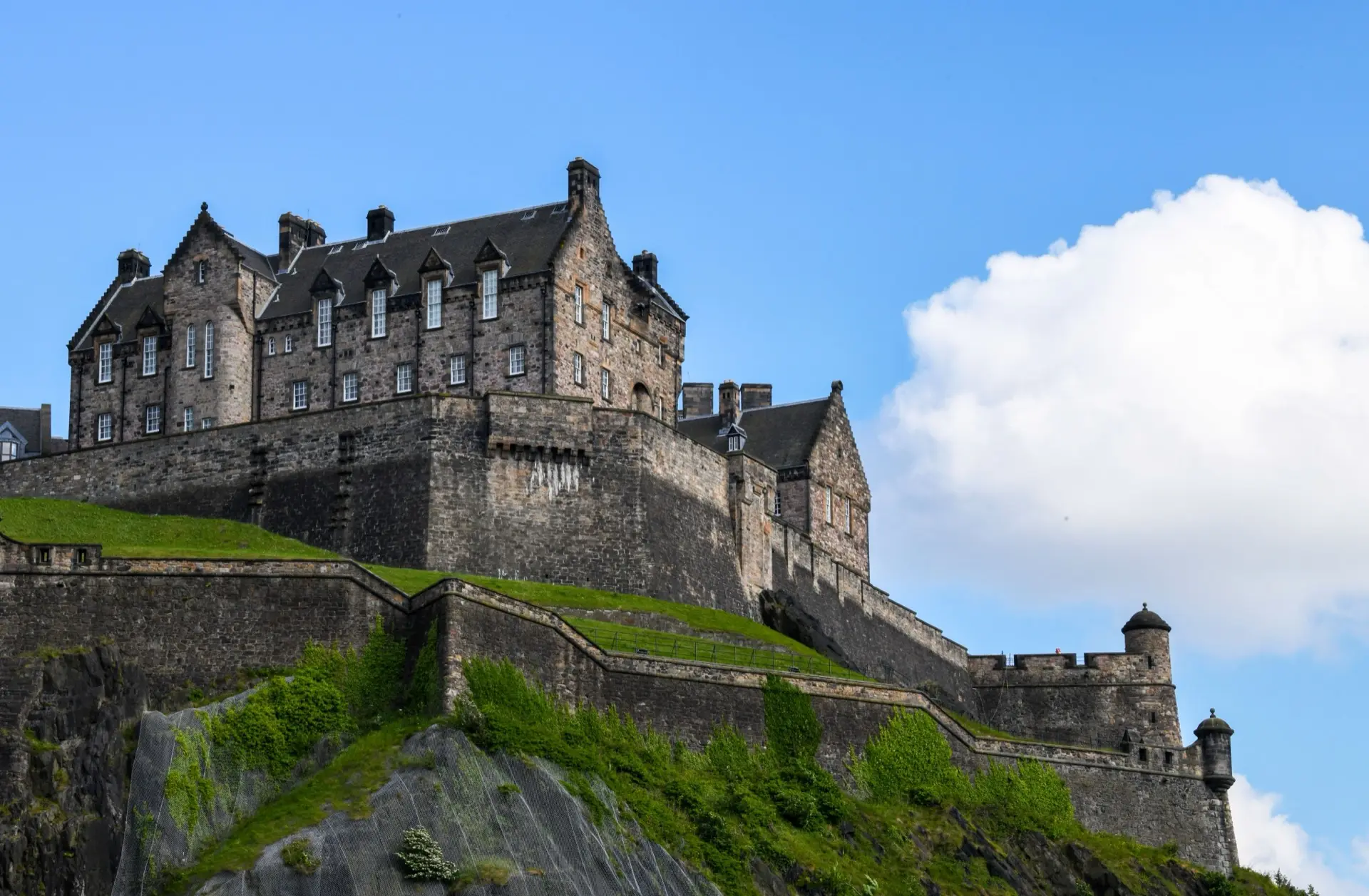
- Book the castle online for a timed slot and go in the first hour — the esplanade queue is the longest of any paid attraction in Scotland.
- The National Museum of Scotland and the Scottish National Gallery are free and rarely busy, which makes them the right answer to a wet afternoon.
- Climb Arthur’s Seat from the Dunsapie Loch side rather than the Holyrood car park: it is half the ascent for the same view.
- If you are coming for the Fringe, book accommodation by January and expect to pay peak rates; if you are not, avoid the first three weeks of August entirely.
Attractions in Edinburgh
Frequently asked questions
When is the best time to visit Edinburgh?
The best time to visit Edinburgh is February, the quietest month of the year, or the shoulder weeks around January when the crowd eases but the weather still holds.
What is the cheapest and quietest month in Edinburgh?
February is the quietest month in Edinburgh, with a modelled crowd level near 34/100 and typical highs of 7°C.
When is Edinburgh most crowded?
Edinburgh peaks in August, when both visitor numbers and prices are at their highest.
How many days do you need in Edinburgh?
Two full days covers the castle, the Royal Mile, Holyrood and the New Town; a third for Arthur’s Seat, Leith and a distillery or the Britannia.
Other attractions

Photo: Mario Spencer · Pexels