Croatia
A four-month country: brilliant May to September, half-shut the rest of the year.
When to visit Croatia
Across Croatia as a whole, January is typically the calmest month and August the busiest. Crowds are not uniform, though — see how the regions differ below.
Croatia has one of the sharpest seasons in Europe. The Adriatic coast and islands run at full capacity from late June to early September and then wind down fast — by November many island hotels, ferries and restaurants have simply stopped for the winter.
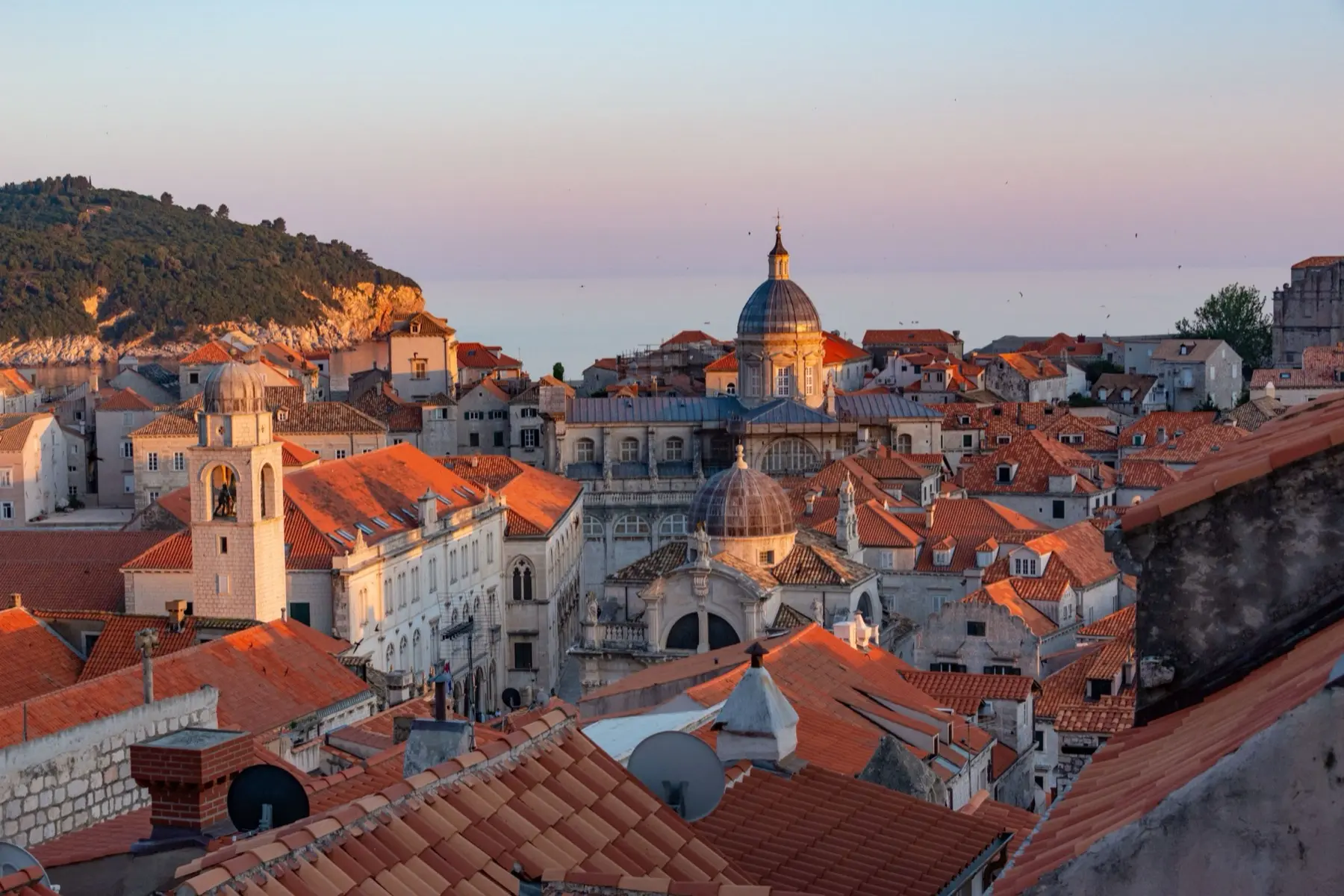
Cruise arrivals amplify the coastal peak enormously. Dubrovnik and Split can double their daytime population on heavy port days, and the difference between a ship day and a ship-free day is larger than the difference between two months.
Inland Croatia works to a different clock. Zagreb and the Plitvice lakes are year-round, and Zagreb’s Advent market has made December a genuine season of its own.
Book things to do
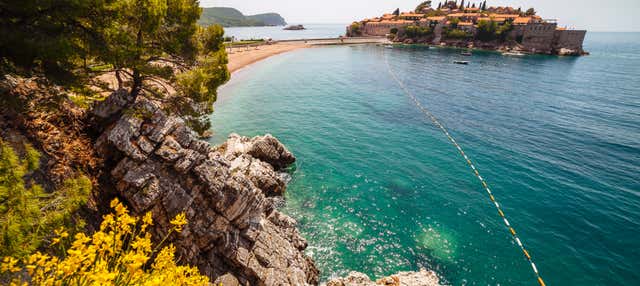
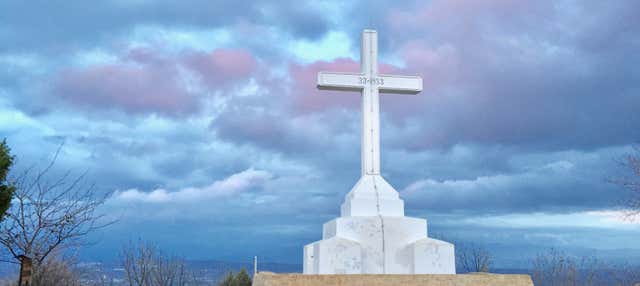
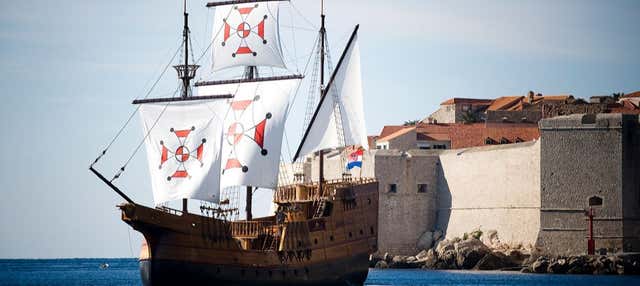
Croatia: tours and tickets in Dubrovnik, from our booking partner.
 Free cancellation
 Free cancellation
 Free cancellation
 Free cancellation
 Free cancellation
It is not the same everywhere
The Adriatic coast is Mediterranean, dry and mild in winter; inland Zagreb and Slavonia are continental with cold, foggy winters and hot humid summers — a January day can be 10°C on Hvar and below freezing in Osijek.
Getting around
The coastal motorway makes driving fast but the islands depend on ferries whose timetables thin dramatically outside summer; check the Jadrolinija schedule before planning any island hop in the off-season.
Crowds month by month across Croatia
Averaged across the 1 destinations we cover — tap a month for the full picture.
Weather across Croatia
Averaged across our destinations. The spread column shows how far apart the warmest and coolest are.
More tours and tickets
More options from our booking partner.
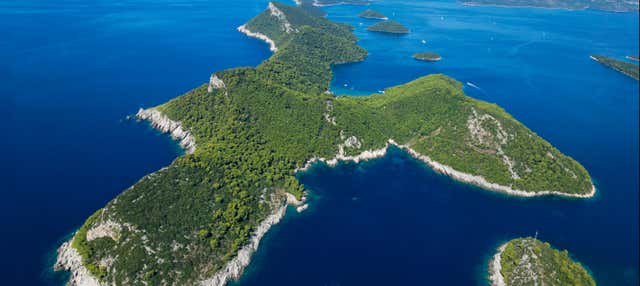
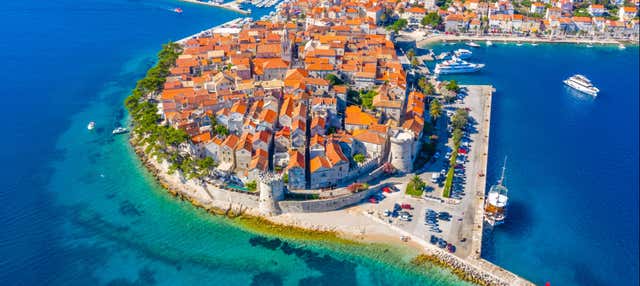
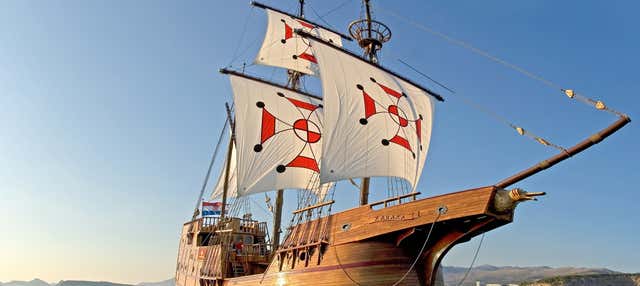
Where we have data in Croatia
Each city has its own crowd calendar and twelve month pages.
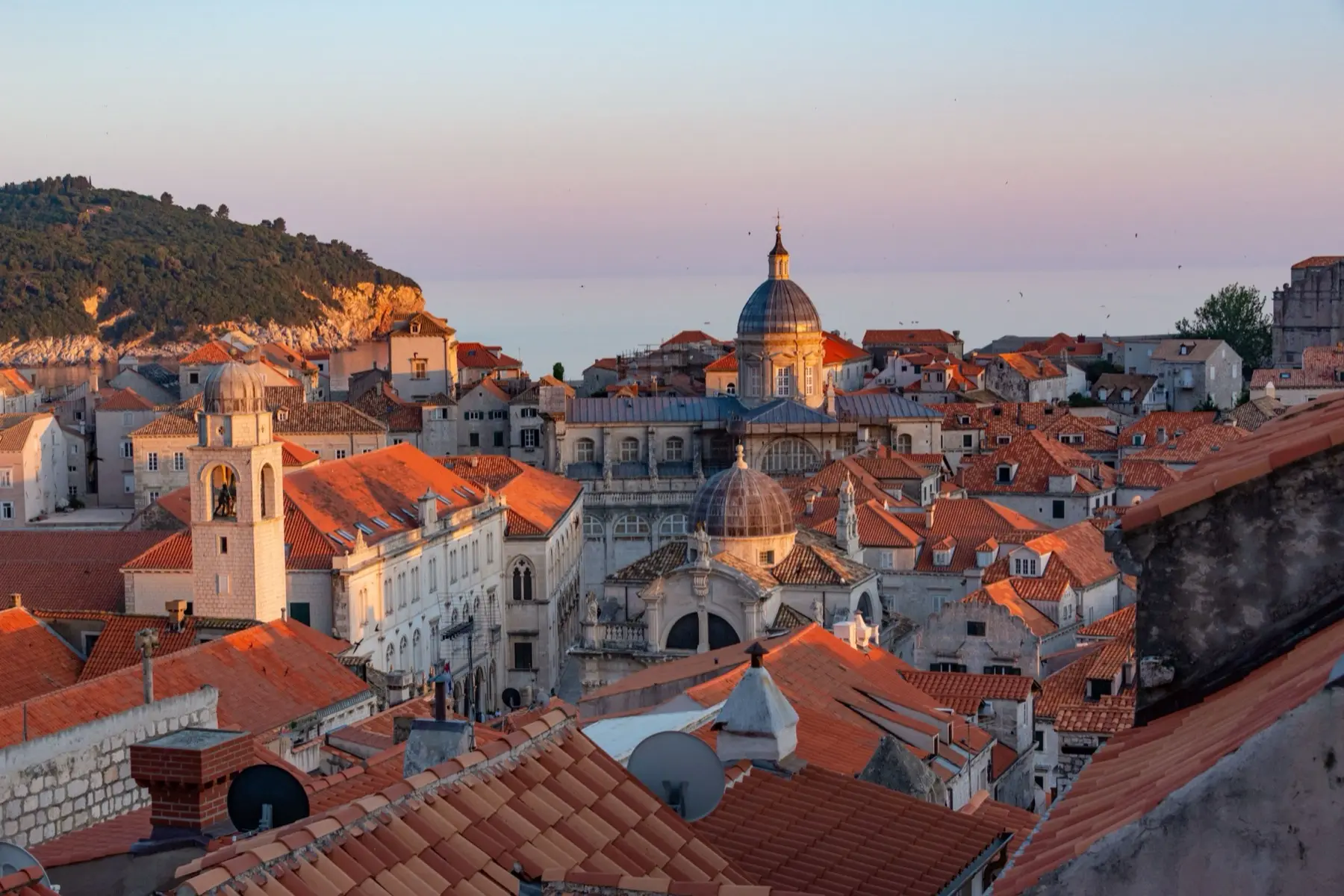
Every month in Croatia
Country-level tips
- Check the cruise-ship calendar for Dubrovnik and Split before choosing a date — it matters more than the month.
- Island ferries run a skeleton service from November to April; some routes stop entirely.
- Plitvice sells timed entry and sells out in summer; the first slot is by far the calmest.
- Sea temperature lags the air by weeks — September swimming is warmer than June.
Frequently asked questions
When is the best time to visit Croatia?
The best time to visit Croatia is around January, when crowds across the country sit near 18/100 and average highs are about 13°C.
What is the quietest month in Croatia?
January is the quietest month across the destinations we track in Croatia, averaging 18/100.
When is Croatia most crowded?
Croatia peaks in August, when domestic and international travel overlap.