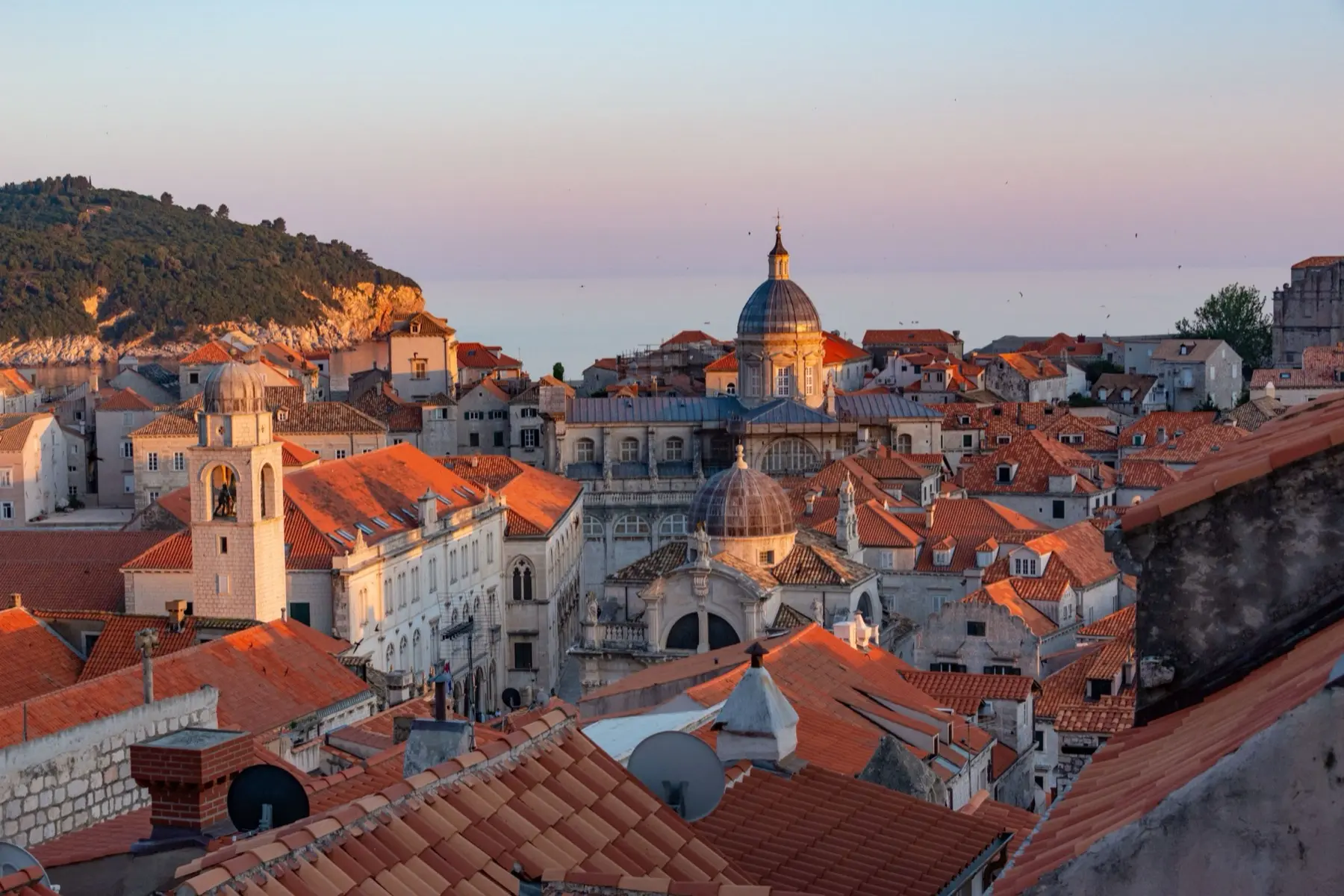
Dubrovnik
Check the ship schedule, not the month — and skip the walls between ten and four.
When to visit Dubrovnik
Dubrovnik is calmest in January and busiest in August. For the best balance of decent weather and smaller crowds, aim for February.
The walled old town of Dubrovnik is about 500 metres across and holds fewer than a thousand permanent residents. Into that space arrive, on a busy summer day, several thousand cruise passengers plus the hotel and apartment guests staying along the coast. The city now caps daily cruise arrivals and limits the number of ships berthing at Gruž at once, but the effect on the ground is still stark: Stradun is a comfortable promenade at eight in the morning and a slow shuffle at noon.
The seasonal curve is one of the steepest in Europe. January and February are close to dormant — cold rain, a short ferry timetable, and a fair number of old town restaurants closed. From April the cruise season restarts and the numbers climb without pause to a July and August peak that coincides with both the Dubrovnik Summer Festival, running from 10 July to 25 August, and Adriatic heat in the low thirties.
Late May and the second half of September are the two windows worth targeting. The sea is swimmable in both, the walls are walkable without heat exhaustion, the festival crush has either not started or has finished, and accommodation is materially cheaper than in August. Whenever you come, the daily rhythm matters more than the month: walk the walls at opening or in the last two hours, and use the middle of the day for the beach, Lokrum or a boat to the Elaphiti islands.
Book things to do
Tours and tickets in Dubrovnik, from our booking partner.
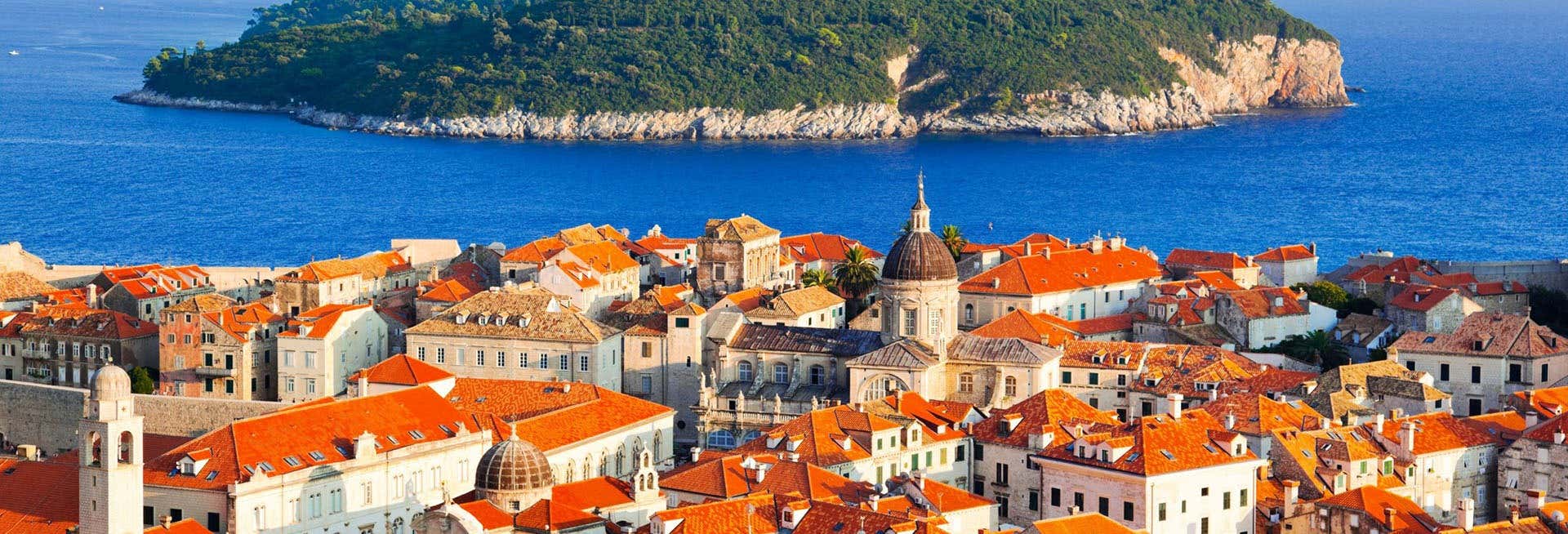
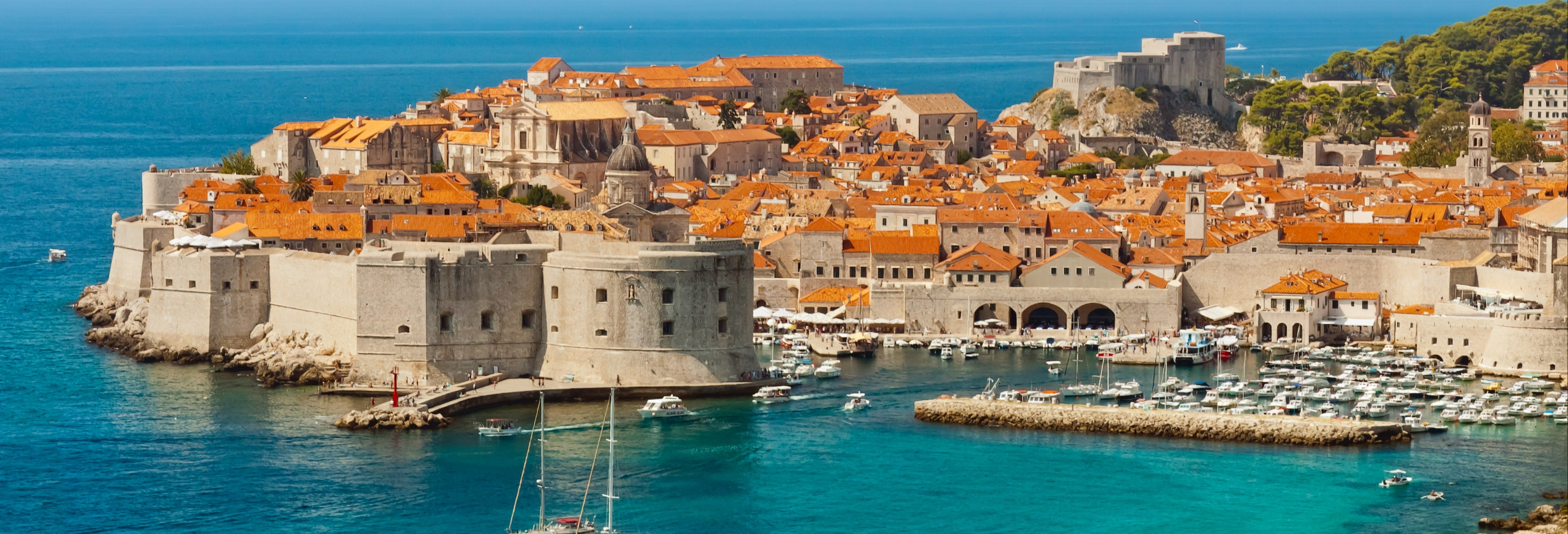

Crowds month by month
Twelve months of Dubrovnik at a glance — tap a month for the full picture.
Every month in Dubrovnik
Weather, crowds and what’s on — one page per month.
Weather through the year
Typical highs, lows and wet days.
Best day of the week
How the crowd moves through a typical week.
Tue is normally the calmest day of the week.
Best time of day
The daily rhythm, hour by hour.
The 9:00 AM window is usually the calmest of the day.
Where the crowd gathers
A typical peak afternoon in the centre.
Cruise days change everything
Dubrovnik is a cruise port. On ship days the centre fills between mid-morning and late afternoon, then empties again.
How long to stay
Two full days is enough for the walls, the old town museums and Lokrum; a third lets you take a boat to the Elaphiti islands or drive to Ston.
Local timing tips
- Walk the city walls in the first hour after opening or the last two before closing — the circuit is one-way, largely unshaded and brutal at midday.
- The Dubrovnik Pass covers the walls plus most municipal museums and costs barely more than wall entry alone, so buy it even for a short stay.
- The cable car queue is worst when ships are in; the Srđ road walk or a taxi up and a cable car down avoids most of it.
- Stay in Lapad or Gruž rather than inside the walls if you want a quiet night and a beach — the old town is loud until late and has no supermarket worth the name.
Frequently asked questions
When is the best time to visit Dubrovnik?
The best time to visit Dubrovnik is January, the quietest month of the year, or the shoulder weeks around February when the crowd eases but the weather still holds.
What is the cheapest and quietest month in Dubrovnik?
January is the quietest month in Dubrovnik, with a modelled crowd level near 18/100 and typical highs of 13°C.
When is Dubrovnik most crowded?
Dubrovnik peaks in August, when both visitor numbers and prices are at their highest.
How many days do you need in Dubrovnik?
Two full days is enough for the walls, the old town museums and Lokrum; a third lets you take a boat to the Elaphiti islands or drive to Ston.
Other attractions


Photo: Diego F. Parra · Pexels