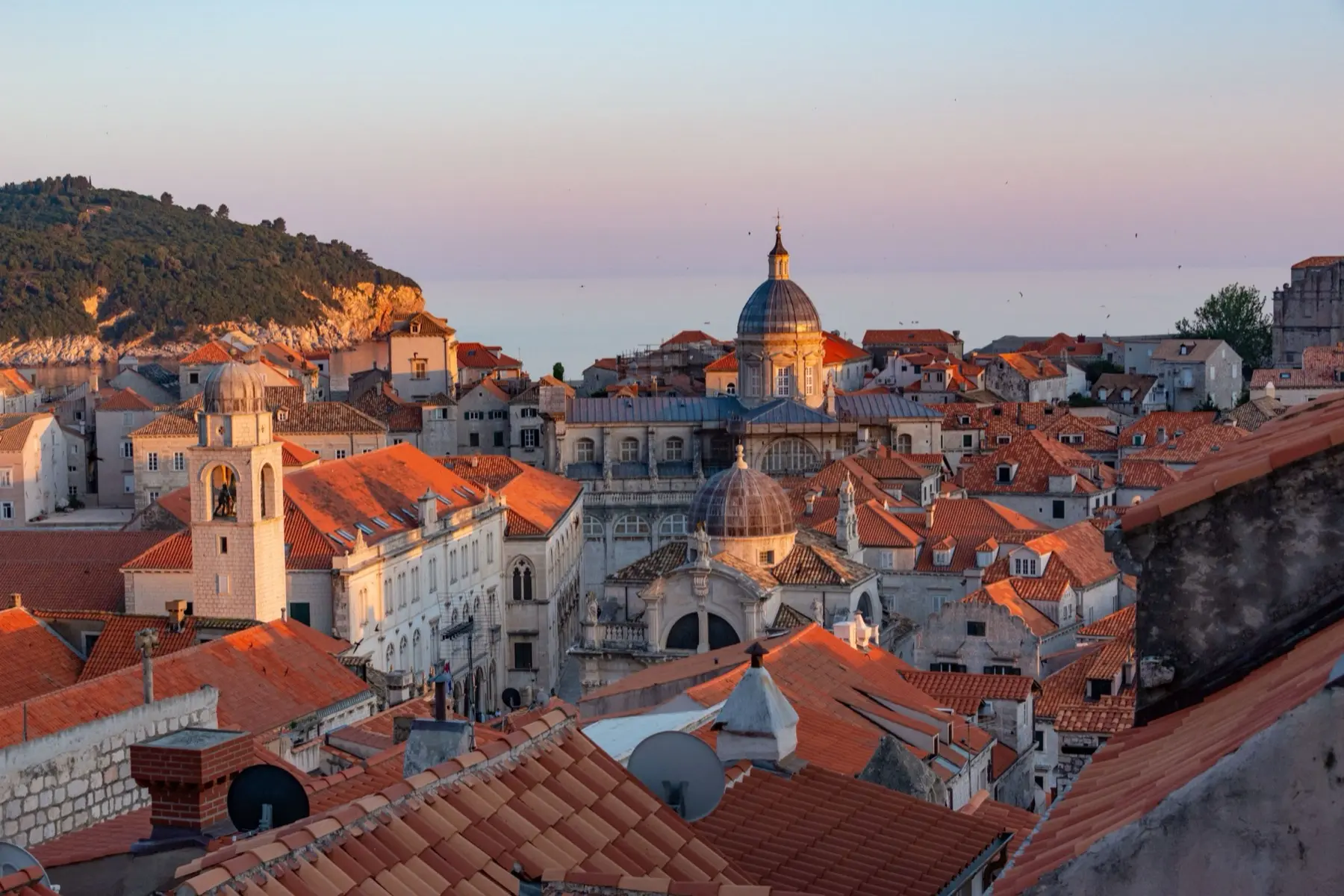
Croacia
Un país de cuatro meses: brillante de mayo a septiembre, medio cerrado el resto del año.
Cuándo visitar Croacia
En el conjunto de Croacia, enero suele ser el mes más tranquilo y agosto el más concurrido. Aun así, la afluencia no es uniforme: abajo verás cómo cambia según la región.
Croacia tiene una de las temporadas más marcadas de Europa. La costa adriática y las islas funcionan al máximo de finales de junio a principios de septiembre y luego se apagan rápido: en noviembre muchos hoteles, ferris y restaurantes de las islas simplemente han parado hasta el invierno siguiente.
Los cruceros amplifican enormemente el pico costero. Dubrovnik y Split pueden duplicar su población diurna en los días de mucho barco, y la diferencia entre un día con crucero y uno sin él es mayor que la que hay entre dos meses.
El interior funciona con otro reloj. Zagreb y los lagos de Plitvice abren todo el año, y el mercado de Adviento de Zagreb ha convertido diciembre en una temporada propia.
Reserva actividades
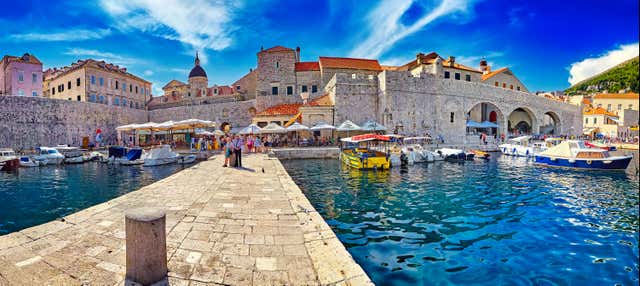
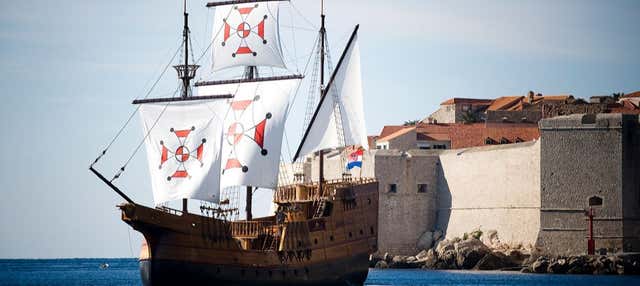
Croacia: tours y entradas en Dubrovnik, de nuestro socio de reservas.
 Cancelación gratuita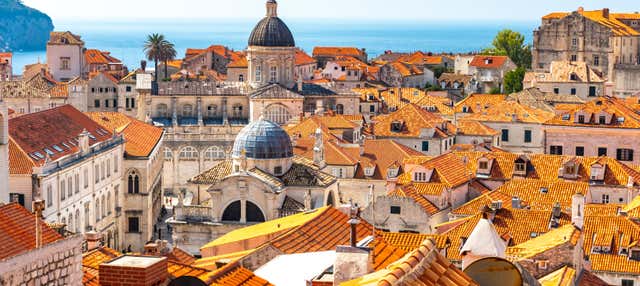
 Cancelación gratuita
 Cancelación gratuita
 Cancelación gratuita
 Cancelación gratuita
No es igual en todas partes
La costa adriática es mediterránea, seca y suave en invierno; el interior, con Zagreb y Eslavonia, es continental, con inviernos fríos y de niebla y veranos calurosos y húmedos: un día de enero puede marcar 10 °C en Hvar y bajo cero en Osijek.
Cómo moverse
La autopista de la costa hace rápido el viaje en coche, pero las islas dependen de ferris cuyos horarios se reducen mucho fuera del verano; consulta la programación de Jadrolinija antes de planear cualquier salto entre islas en temporada baja.
Afluencia mes a mes en Croacia
Promediado entre los 1 destinos que cubrimos: toca un mes para verlo en detalle.
Clima en Croacia
Promediado entre nuestros destinos. La columna de amplitud muestra cuánto se separan el más cálido y el más fresco.
Más tours y entradas
Más opciones de nuestro socio de reservas.
Dónde tenemos datos en Croacia
Cada ciudad tiene su propio calendario de afluencia y doce páginas mensuales.
Cada mes en Croacia
Consejos a escala de país
- Consulta el calendario de cruceros de Dubrovnik y Split antes de elegir fecha: pesa más que el mes.
- Los ferris a las islas funcionan con servicios mínimos de noviembre a abril; algunas líneas se detienen por completo.
- Plitvice vende entradas con hora y se agota en verano; el primer turno es con diferencia el más tranquilo.
- La temperatura del mar va semanas por detrás de la del aire: en septiembre el agua está más caliente que en junio.
Preguntas frecuentes
¿Cuándo es la mejor época para visitar Croacia?
La mejor época para visitar Croacia es en torno a enero, cuando la afluencia en el país ronda 18/100 y las máximas medias están cerca de 13°C.
¿Cuál es el mes más tranquilo en Croacia?
Enero es el mes más tranquilo entre los destinos que seguimos en Croacia, con una media de 18/100.
¿Cuándo hay más gente en Croacia?
Croacia alcanza su pico en agosto, cuando se solapan el turismo nacional y el internacional.