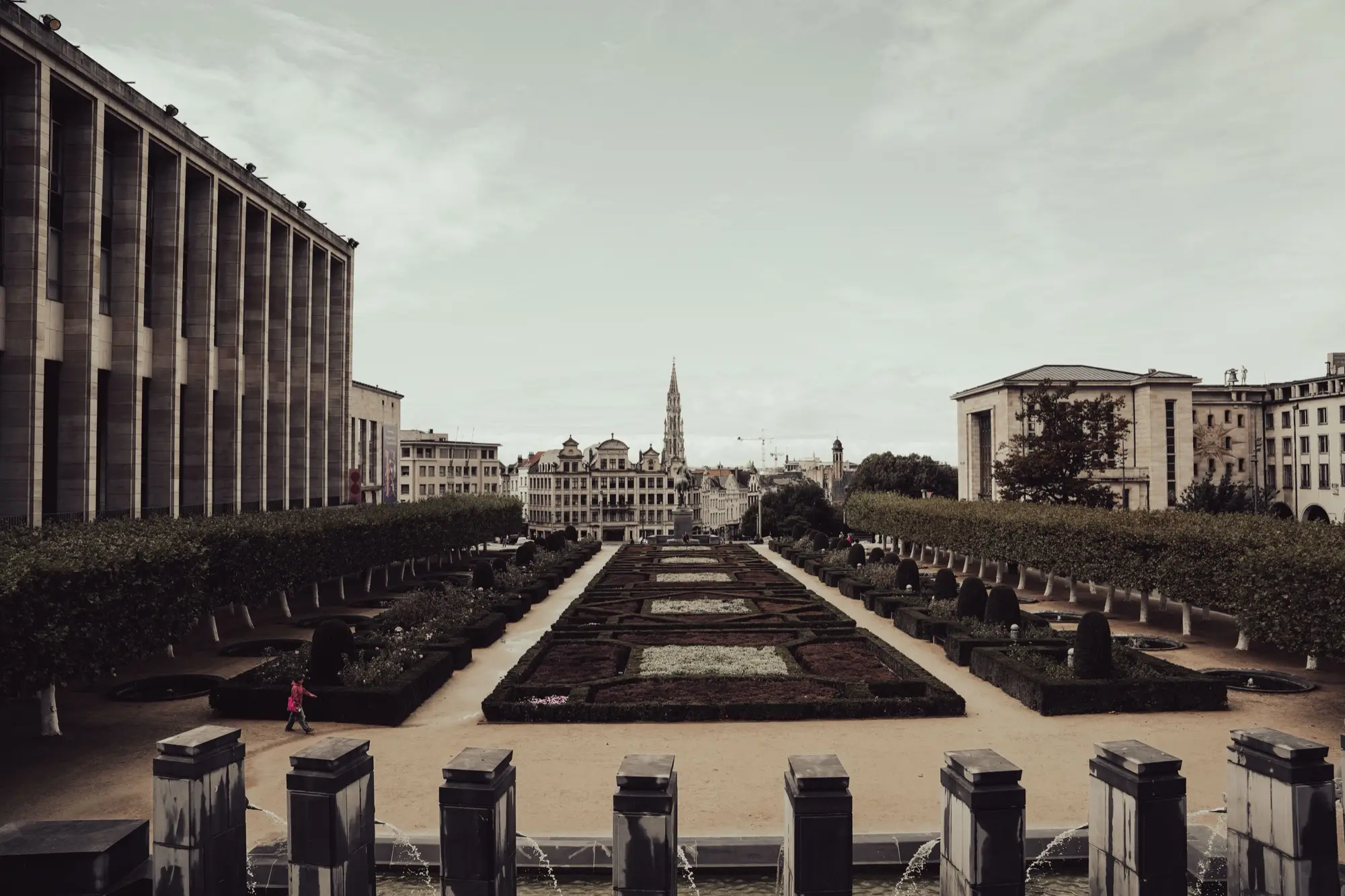
Belgium
A country you can cross in two hours, with crowds that never all peak at once.
When to visit Belgium
Across Belgium as a whole, January is typically the calmest month and July the busiest. Crowds are not uniform, though — see how the regions differ below.
Belgium is small enough that seasonality behaves like a single system: when the weather turns, it turns everywhere at once. What varies is where the people go. On a warm weekend the whole country drives to the sixty-seven kilometres of North Sea coast; on a grey one it fills the Flemish art cities; and in the Ardennes the calendar is different again, quiet all summer and busiest during the autumn and Christmas breaks.
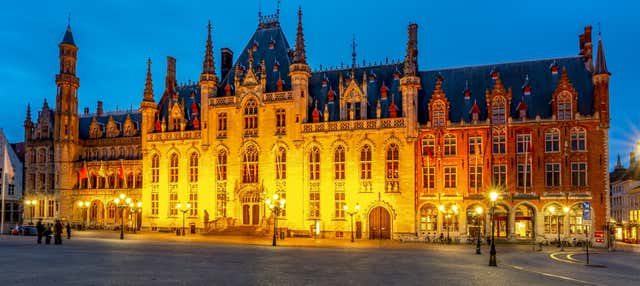
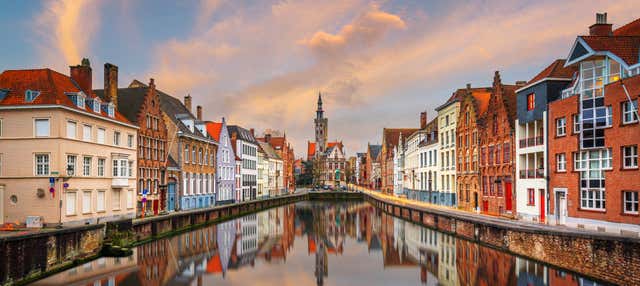
The international crowd is heavily concentrated in a handful of places — Bruges above all, then Ghent, Antwerp and central Brussels — and it clusters into weekends, day-trip coaches from the Channel ports and cruise passengers arriving via Zeebrugge. Move one town along, or simply stay overnight, and the difference is dramatic. Bruges after six in the evening is not the Bruges of half past two in the afternoon.
One genuinely Belgian complication: the Dutch-speaking and French-speaking communities no longer share the same school calendar. Since the 2022–23 reform the French-speaking schools of Wallonia and Brussels take their autumn and spring breaks on different dates from Flanders, which spreads domestic travel across more weeks but also means there are more of them. Only July, August and the Christmas fortnight are holidays for the entire country simultaneously.
Book things to do
Belgium: tours and tickets in Brussels, Bruges, from our booking partner.
 Free cancellation
 Free cancellation
 Free cancellation
It is not the same everywhere
The coast is windier, cooler and brighter than anywhere inland, the flat Flemish plain around Bruges and Ghent takes the mildest and greyest weather in the country, and the Ardennes in the southeast sit three to four degrees colder with genuine snow cover most winters and the only real hiking terrain Belgium has.
Getting around
No two Belgian cities are more than about two hours apart by train — Brussels to Bruges or Liège takes roughly an hour, Antwerp forty minutes — so a car is unnecessary everywhere except the Ardennes, where rural bus links are thin.
Crowds month by month across Belgium
Averaged across the 2 destinations we cover — tap a month for the full picture.
Weather across Belgium
Averaged across our destinations. The spread column shows how far apart the warmest and coolest are.
| # | Average high | Average low | Wet days | Spread |
|---|---|---|---|---|
| January | 6°C | 2°C | 13 | ±0° |
| February | 7°C | 2°C | 11 | ±0° |
| March | 11°C | 4°C | 11 | ±1° |
| April | 14°C | 6°C | 9 | ±2° |
| May | 18°C | 10°C | 10 | ±2° |
| June | 21°C | 13°C | 10 | ±2° |
| July | 23°C | 15°C | 10 | ±2° |
| August | 23°C | 15°C | 11 | ±2° |
| September | 20°C | 13°C | 10 | ±1° |
| October | 15°C | 10°C | 12 | ±0° |
| November | 11°C | 6°C | 13 | ±1° |
| December | 7°C | 3°C | 13 | ±0° |
More tours and tickets
More options from our booking partner.
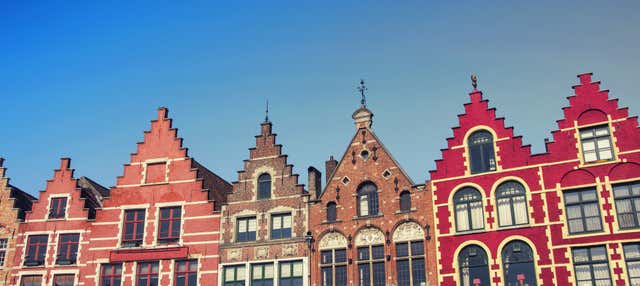
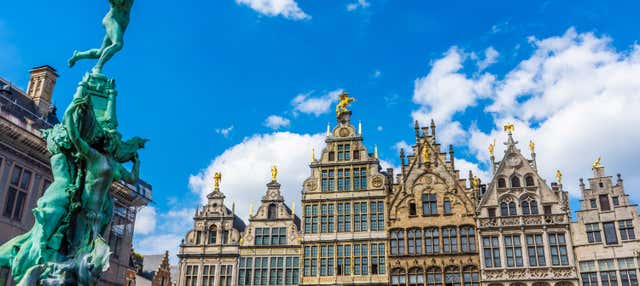
Where we have data in Belgium
Each city has its own crowd calendar and twelve month pages.
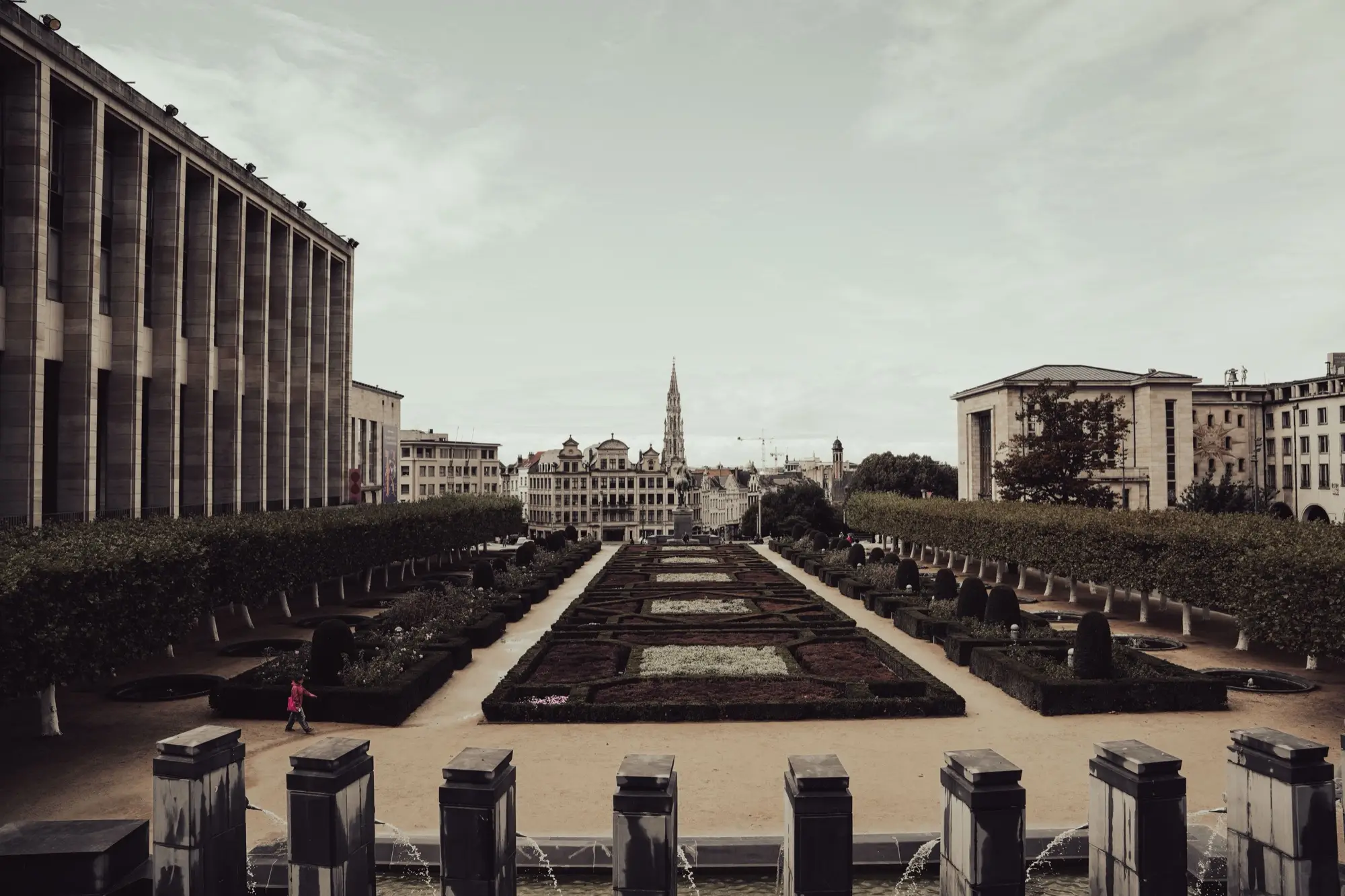
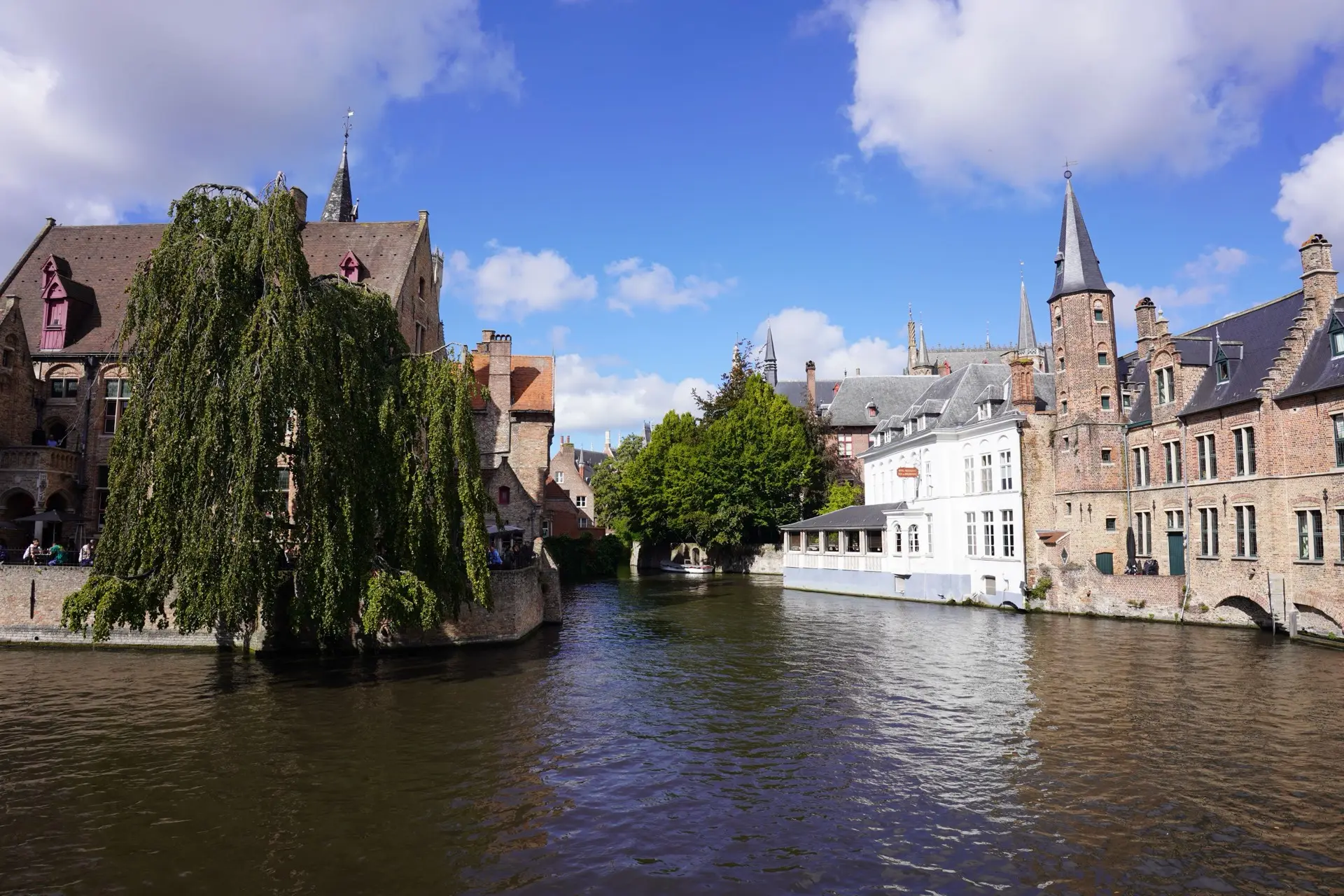
Every month in Belgium
Country-level tips
- Belgium has ten national public holidays and the ones foreign visitors get caught by are 21 July (National Day), 15 August and 1 November, when shops shut and museums may or may not open.
- Most Belgian museums close on Mondays, which quietly wrecks a two-night weekend that starts on Sunday.
- Rail passes sold by the national operator make sense fast in a country this compact, and weekend return tickets are discounted; buy before boarding, as onboard fares carry a surcharge.
- Brussels Airport and Charleroi are the obvious entry points, but Lille in France and Eindhoven in the Netherlands are both under two hours from central Belgium by train and often cheaper.
Frequently asked questions
When is the best time to visit Belgium?
The best time to visit Belgium is around January, when crowds across the country sit near 35/100 and average highs are about 6°C.
What is the quietest month in Belgium?
January is the quietest month across the destinations we track in Belgium, averaging 35/100.
When is Belgium most crowded?
Belgium peaks in July, when domestic and international travel overlap.