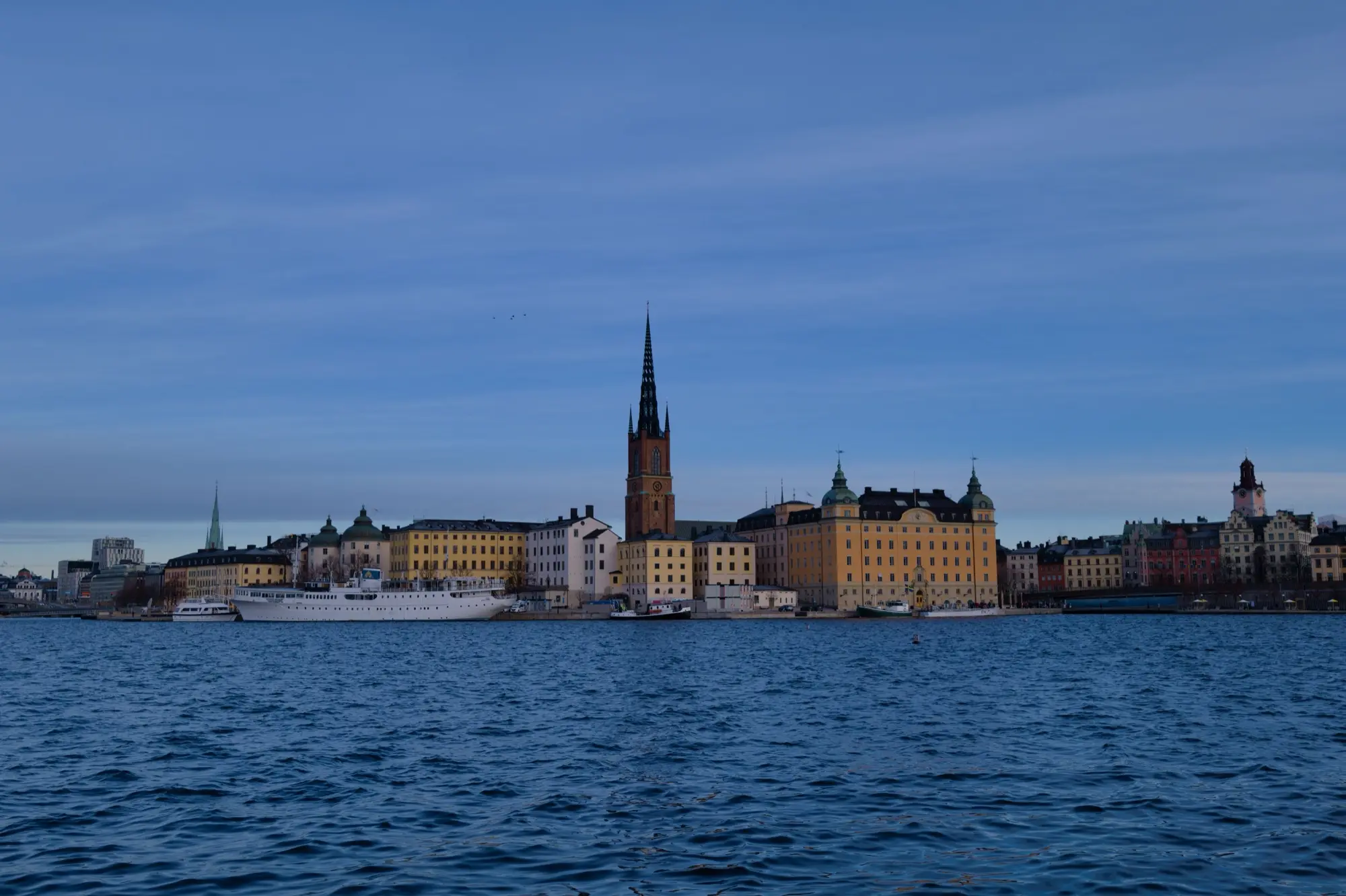
Stockholm
Summer fills the waterfront and the islands; May and September keep the long light and give the city back.
When to visit Stockholm
Stockholm is calmest in January and busiest in July. For the best balance of decent weather and smaller crowds, aim for February.
Stockholm is spread over islands and water, which hides the crowd for most of the year and concentrates it in a few places in summer: Gamla Stan, the Djurgården museums and the waterfront. In July the crowd index is more than double January’s, and the city is full of visitors while many Stockholmers are away in their summer houses.
The seasons here are defined as much by light as by crowds. In June there are 18 hours of daylight and highs of 19°C; in December there are six hours of daylight and highs of 2°C, with 11 rain days. Winter is dark but not empty: the museums are open, the Christmas markets at Skansen and in the Old Town start in late November, and Lucia on 13 December and Nobel Day on the 10th give the month a calendar. Even so, December sits below April and November.
The best balance is May and September. May brings highs of 14°C and 17 hours of daylight, September 16°C and 12 hours, and in both the index is clearly under July and August. April is a quiet way to see spring, with cherry blossom in Kungsträdgården from around mid-month and the Walpurgis Night bonfires on the 30th, though Easter, when it falls in April, brings a short rush.
Book things to do
Tours and tickets in Stockholm, from our booking partner.

 Free cancellation
 Free cancellation
Crowds month by month
Twelve months of Stockholm at a glance — tap a month for the full picture.
Every month in Stockholm
Weather, crowds and what’s on — one page per month.
Quietest month: Stockholm in January
Weather through the year
Typical highs, lows and wet days.
Best day of the week
How the crowd moves through a typical week.
Tue is normally the calmest day of the week.
Best time of day
The daily rhythm, hour by hour.
The 9:00 AM window is usually the calmest of the day.
Where the crowd gathers
A typical peak afternoon in the centre.
How long to stay
Three days: one for Gamla Stan and the Royal Palace, one for Djurgården with the Vasa Museum and Skansen, and one for the Nationalmuseum and Södermalm. In summer, add a fourth for a boat trip into the archipelago.
Local timing tips
- The Vasa Museum is open every day from 10:00 to 17:00 and until 20:00 on Wednesdays; the Nationalmuseum is closed on Mondays and open until 20:00 on Thursdays. In July and August the late openings are a calmer slot than midday.
- Skansen’s hours follow the season: 10:00 to 18:00 from June to August, 10:00 to 17:00 in May and September, and shorter from October to March, 10:00 to 15:00 on weekdays and 10:00 to 16:00 at weekends.
- The Skansen Christmas market runs from Friday to Sunday only, from late November to the weekend before Christmas (27 November to 20 December in 2026), so plan around those days; the park itself is open daily.
- The Arlanda Express takes 18 minutes between the airport and Stockholm Central, with departures every 12 to 15 minutes, and a ticket is valid on any departure.
Where to stay
Outside peak season, nightly rates tend to be lower, and flexible dates help. Compare places to stay on Booking.com.
Frequently asked questions
When is the best time to visit Stockholm?
The best time to visit Stockholm is January, the quietest month of the year, or the shoulder weeks around February when the crowd eases but the weather still holds.
What is the cheapest and quietest month in Stockholm?
January is the quietest month in Stockholm, with a modelled crowd level near 38/100 and typical highs of 0°C.
When is Stockholm most crowded?
Stockholm peaks in July, when both visitor numbers and prices are at their highest.
How many days do you need in Stockholm?
Three days: one for Gamla Stan and the Royal Palace, one for Djurgården with the Vasa Museum and Skansen, and one for the Nationalmuseum and Södermalm. In summer, add a fourth for a boat trip into the archipelago.
Sources
Weather: 1995–2024 averages from the ERA5 climate reanalysis (Copernicus, via Open-Meteo); rain days count days with at least 1 mm.
Monthly crowd index: calculated from recorded overnight stays (table tour_occ_nin2m, 2022–2025; area: Stockholm county (SE11)), published byEurostat.
Crowd scores are modelled estimates, not live counts.How the model works
Events, holidays and practical notes are checked against these official pages:
Other attractions



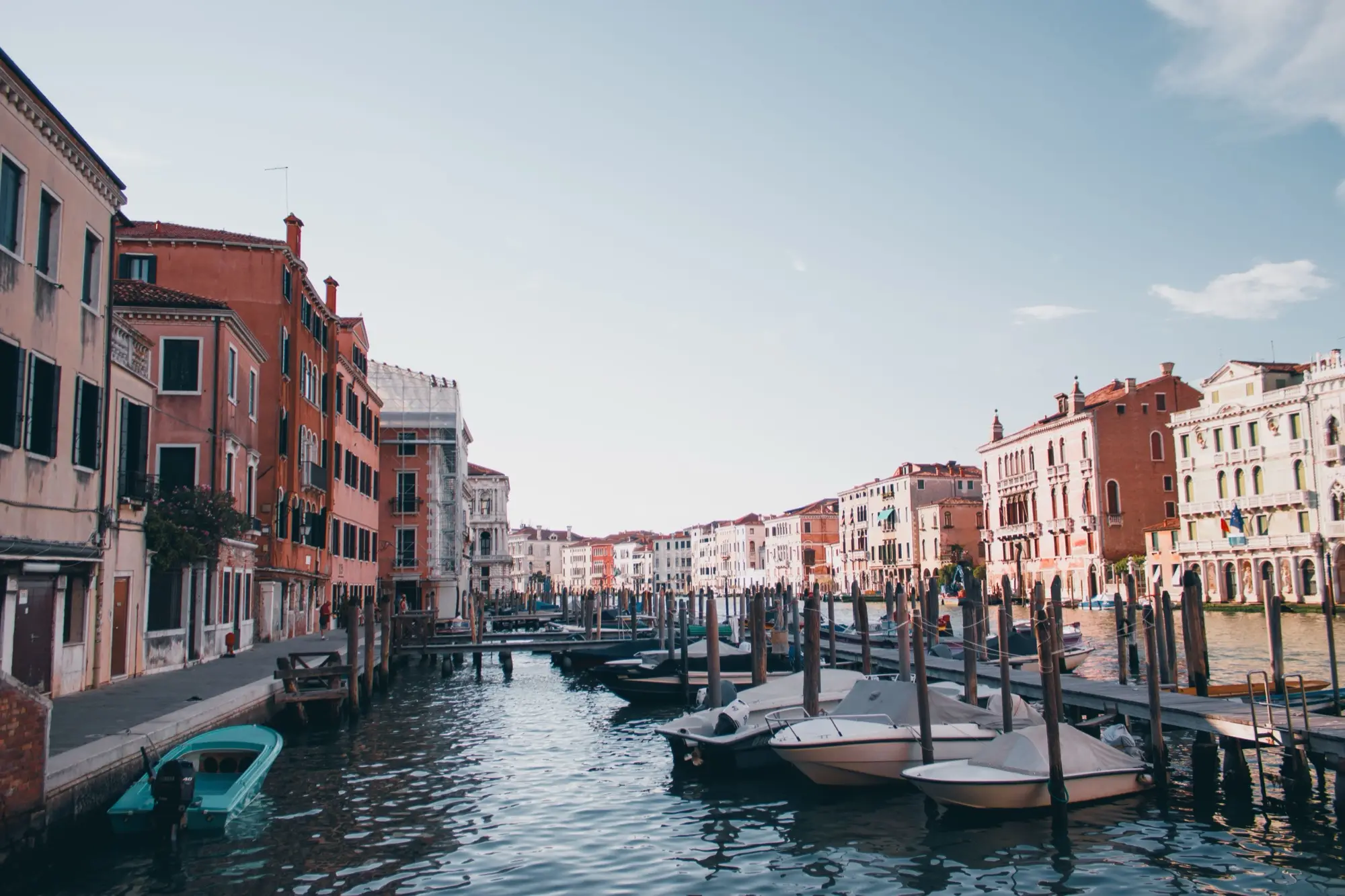
Photo: Jakob Stöberl · Pexels