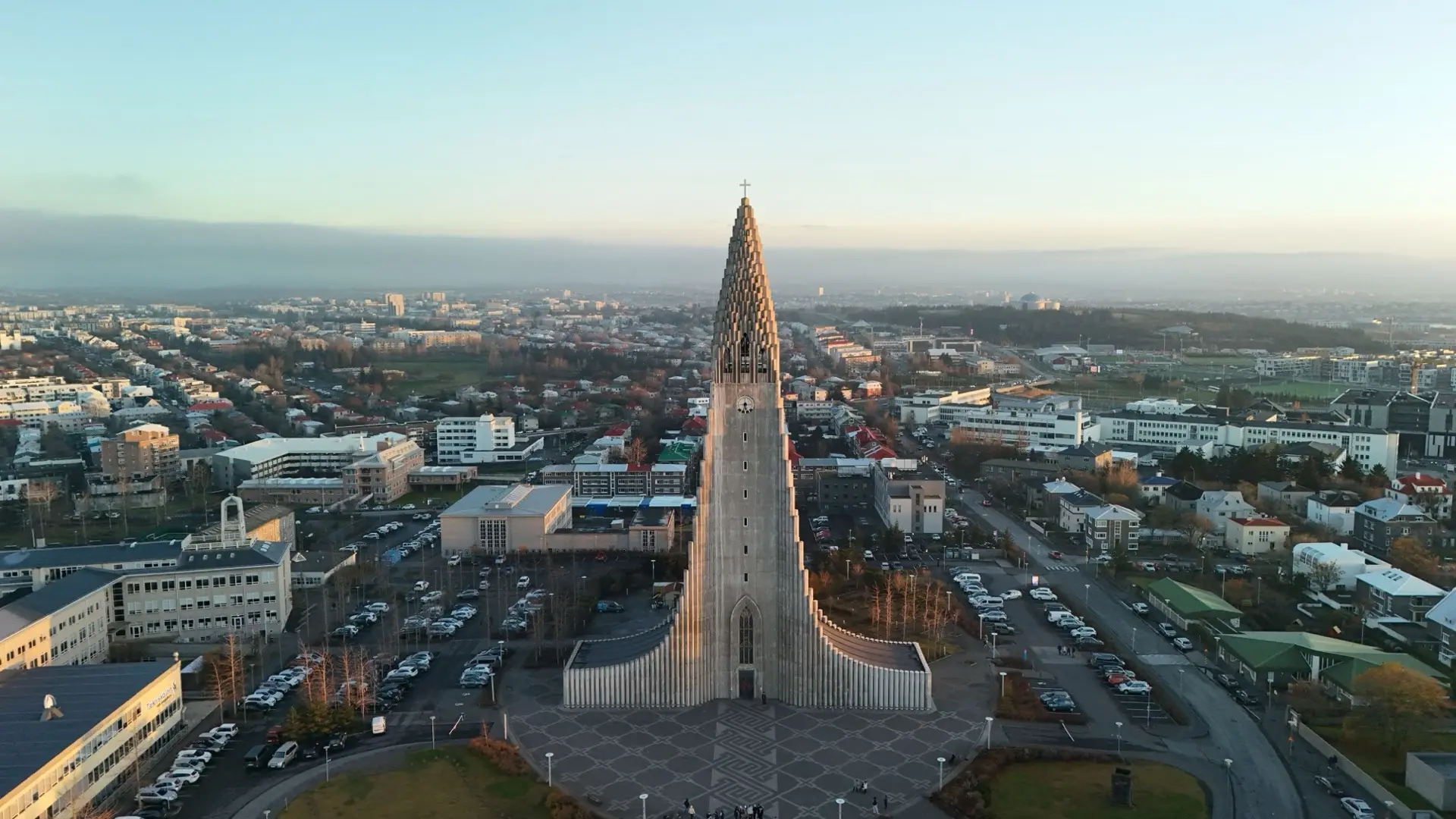
Reykjavik
Pick the light, not the month: June and July for near-endless days, September to March for the aurora.
When to visit Reykjavik
Reykjavik is calmest in November and busiest in July. For the best balance of decent weather and smaller crowds, aim for April.
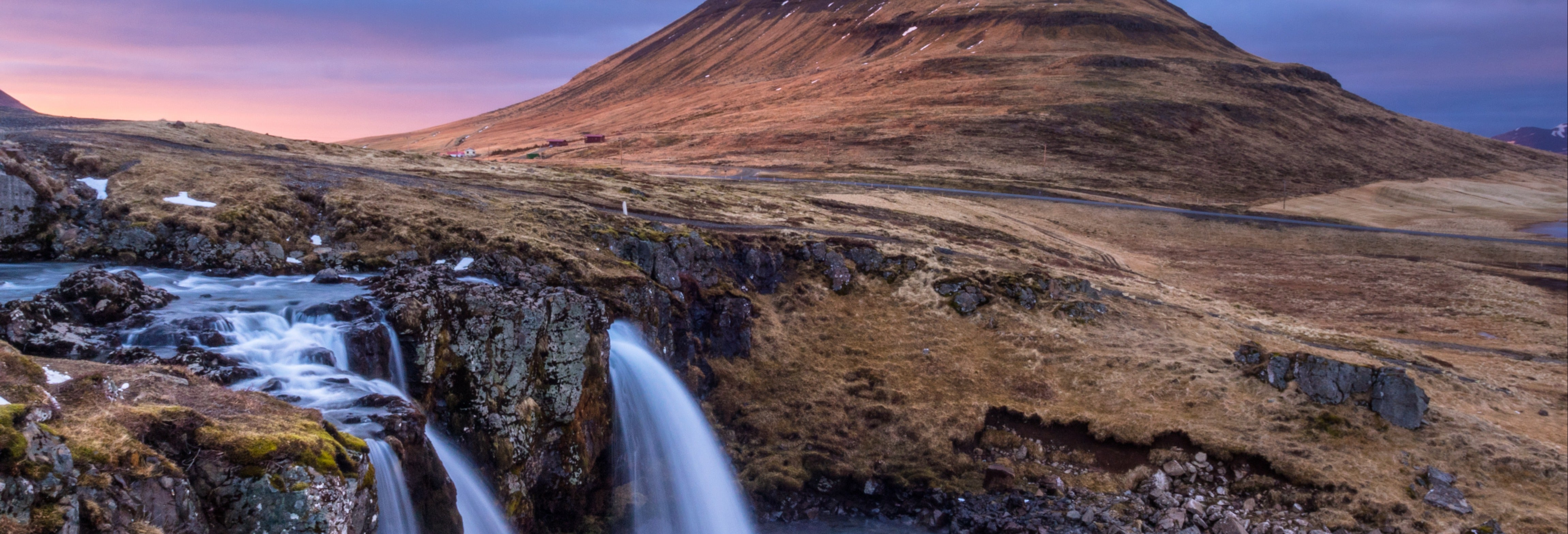
Reykjavik’s calendar is about light. In June and July the sun barely sets, the ring road and the Golden Circle are at their busiest, and cruise ships call at the old harbour. In December there are around four hours of daylight, and visitors come for the northern lights, which need dark, clear skies from roughly September to March.
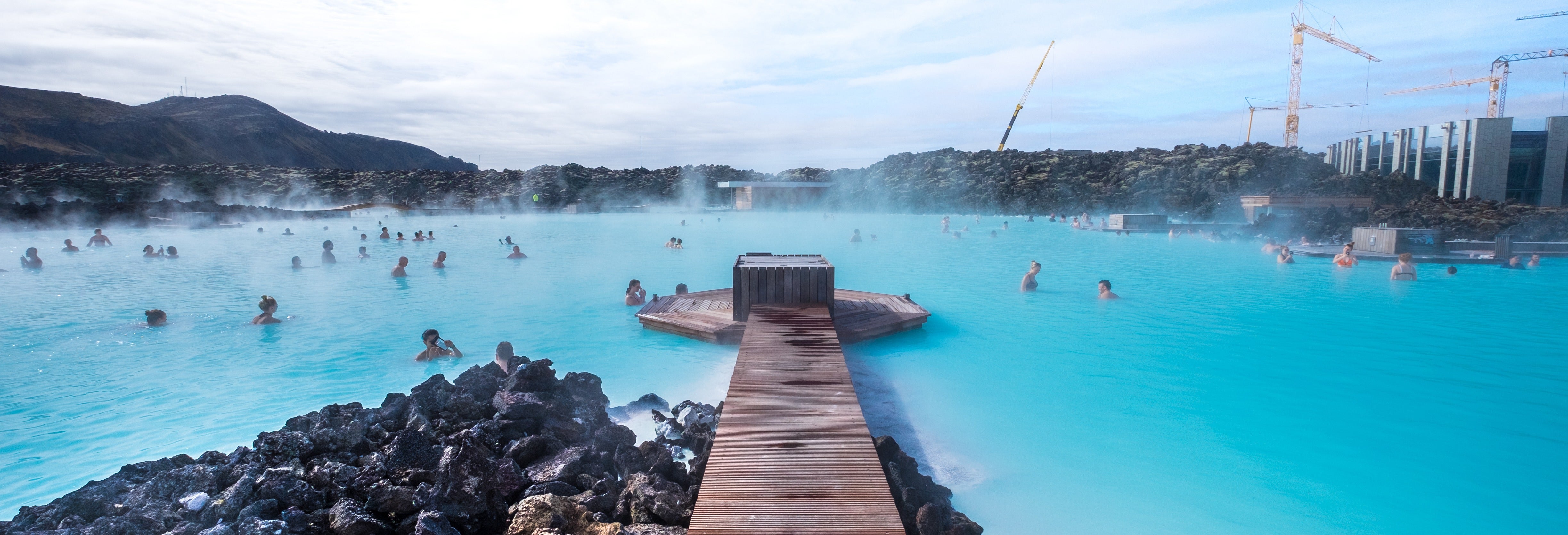
Summer is the clear peak: hotel prices, car hire and tours all reach their highest from late June to mid-August. Winter is a second, smaller season built around aurora tours, the Blue Lagoon and the capital’s Christmas and New Year celebrations, with the risk that storms close roads for a day or two.
The calm months are April, May, October and November. April and May have long days but few visitors, while October and November combine the aurora with lower prices. Weather changes fast in every season, so any plan here needs a spare day.
Book things to do
Tours and tickets in Reykjavik, from our booking partner.
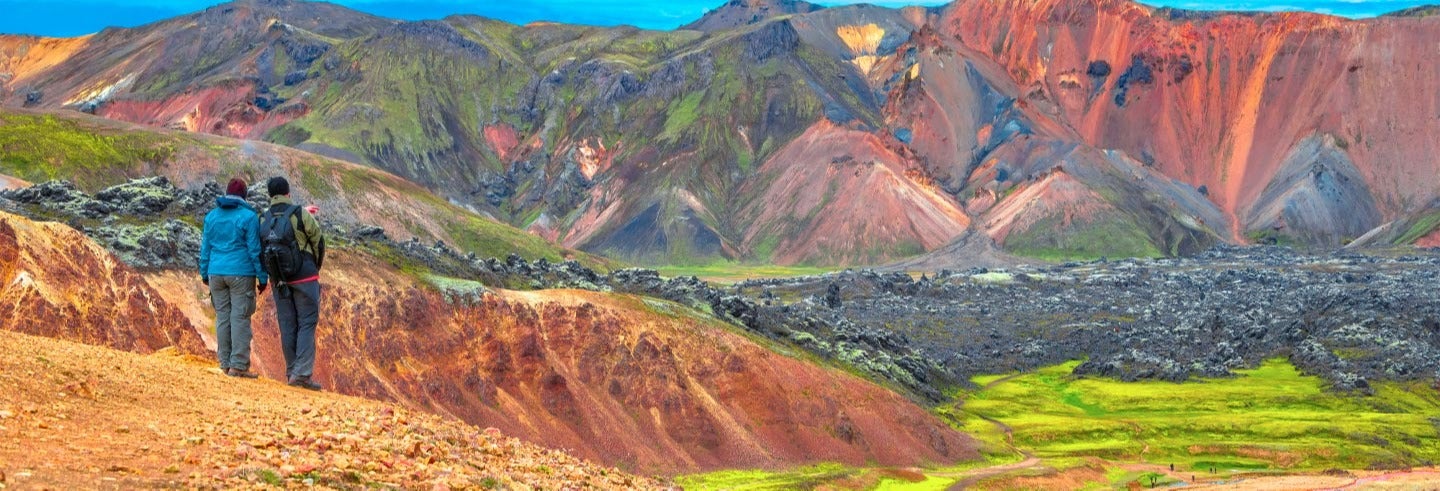
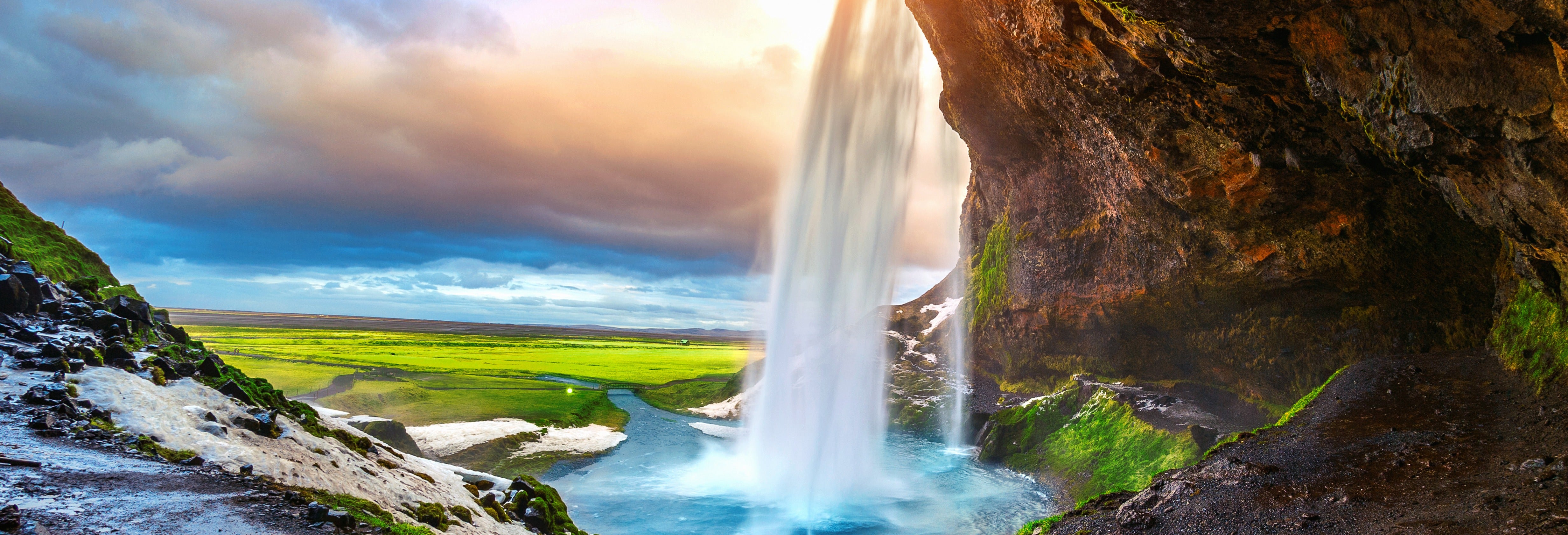
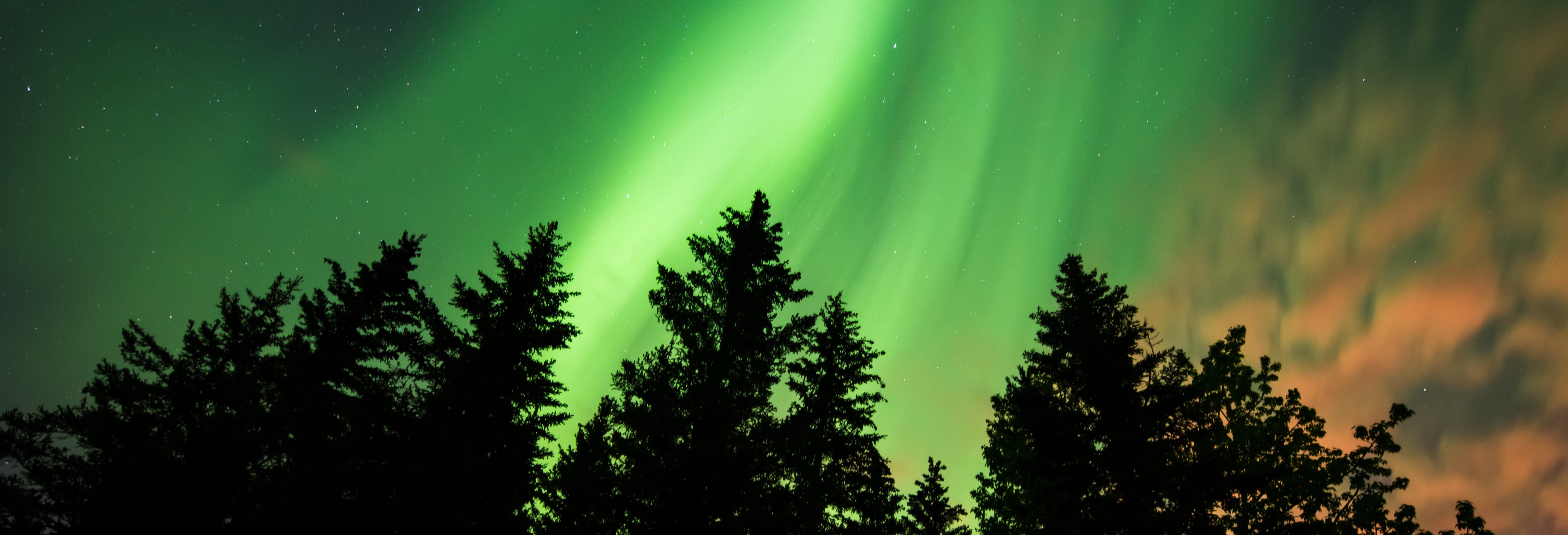
Crowds month by month
Twelve months of Reykjavik at a glance — tap a month for the full picture.
Every month in Reykjavik
Weather, crowds and what’s on — one page per month.
Weather through the year
Typical highs, lows and wet days.
Best day of the week
How the crowd moves through a typical week.
Tue is normally the calmest day of the week.
Best time of day
The daily rhythm, hour by hour.
The 9:00 AM window is usually the calmest of the day.
Where the crowd gathers
A typical peak afternoon in the centre.
Cruise days change everything
Reykjavik is a cruise port. On ship days the centre fills between mid-morning and late afternoon, then empties again.
How long to stay
Two days for Reykjavik itself, plus two to three for the Golden Circle, the south coast and the Blue Lagoon; a week lets you go further along the ring road.
Local timing tips
- Check the road conditions and the weather warnings from the Icelandic Meteorological Office every morning, especially from October to April.
- The aurora forecast on the Met Office site shows cloud cover and activity; clear skies matter more than a high activity number.
- Book the Blue Lagoon or other geothermal spas with a timed slot; they sell out in summer and around Christmas.
- Tap water is excellent and free; eating and drinking out is expensive, so supermarkets make a big difference to the budget.
Frequently asked questions
When is the best time to visit Reykjavik?
The best time to visit Reykjavik is November, the quietest month of the year, or the shoulder weeks around April when the crowd eases but the weather still holds.
What is the cheapest and quietest month in Reykjavik?
November is the quietest month in Reykjavik, with a modelled crowd level near 42/100 and typical highs of 5°C.
When is Reykjavik most crowded?
Reykjavik peaks in July, when both visitor numbers and prices are at their highest.
How many days do you need in Reykjavik?
Two days for Reykjavik itself, plus two to three for the Golden Circle, the south coast and the Blue Lagoon; a week lets you go further along the ring road.
Sources
Weather: 1995–2024 averages from the Reykjavík weather station (NOAA GHCN-Daily); rain days count days with at least 1 mm.
Crowd scores are modelled estimates, not live counts.How the model works
Events, holidays and practical notes are checked against these official pages:
Other attractions
Photo: Lekko Ponad · Pexels