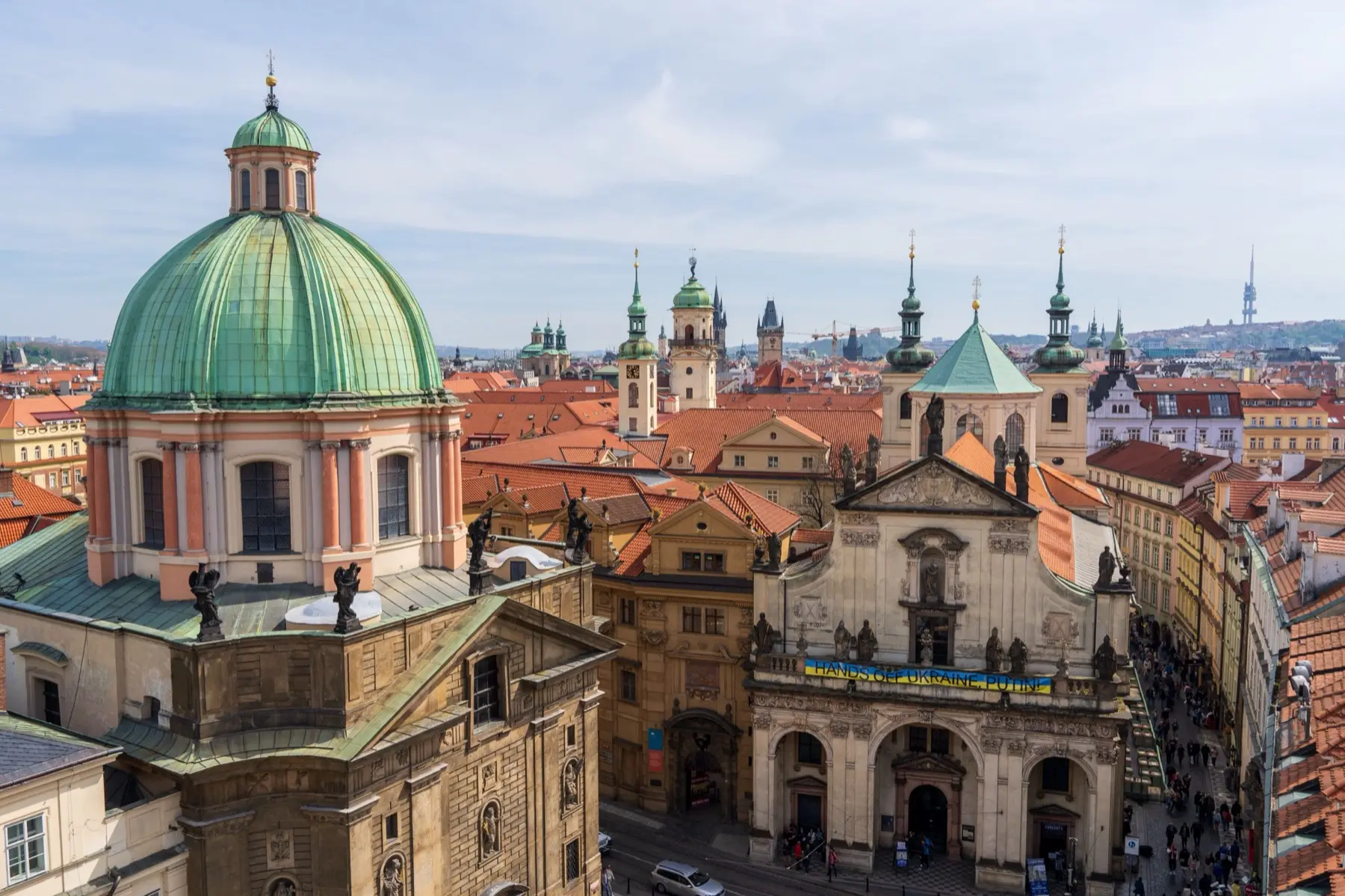
Prague
February is the emptiest month in Europe’s most-photographed old town.
When to visit Prague
Prague is calmest in February and busiest in July. For the best balance of decent weather and smaller crowds, aim for January.
Prague concentrates almost all of its visitors onto one route — Old Town Square, Charles Bridge, the castle hill — and that route is short. The result is a city that feels far more crowded than its visitor numbers alone suggest, and where the difference between 7am and 11am on the bridge is more dramatic than the difference between April and August.
The seasonal curve is a clean summer peak with a Christmas bump. July and August are the fullest and hottest months, with afternoon thunderstorms common and the Astronomical Clock drawing a wall of people on the hour. May and June are nearly as busy but far more pleasant, helped by the Prague Spring music festival and two public holidays in early May. The Christmas markets on Old Town Square and Wenceslas Square run from late November to early January and pull heavy weekend traffic.
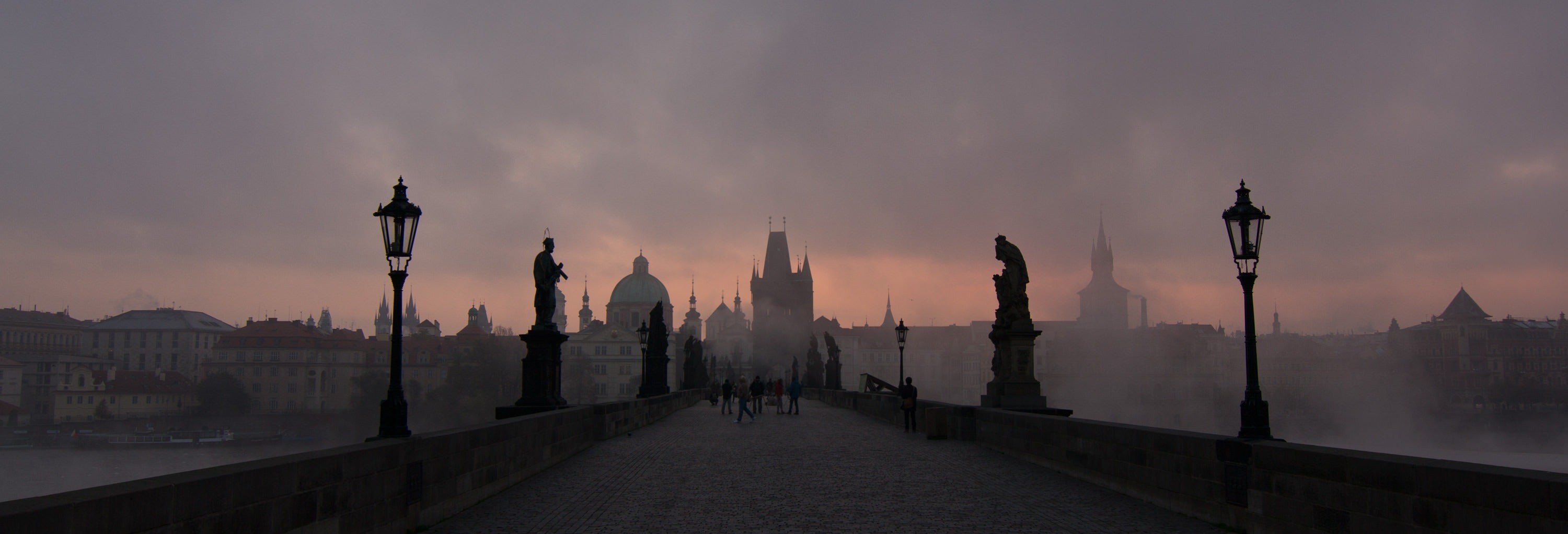
January and February are the real off-peak, and they are cold — sub-zero mornings are normal and snow is likely. In exchange you get the lowest rates of the year, castle tickets that need no planning, and the Charles Bridge photograph that everyone else is queueing for in August. October is the compromise: golden, dry-ish, and quiet, with the parks on Petřín and Letná at their best.
Book things to do
Tours and tickets in Prague, from our booking partner.
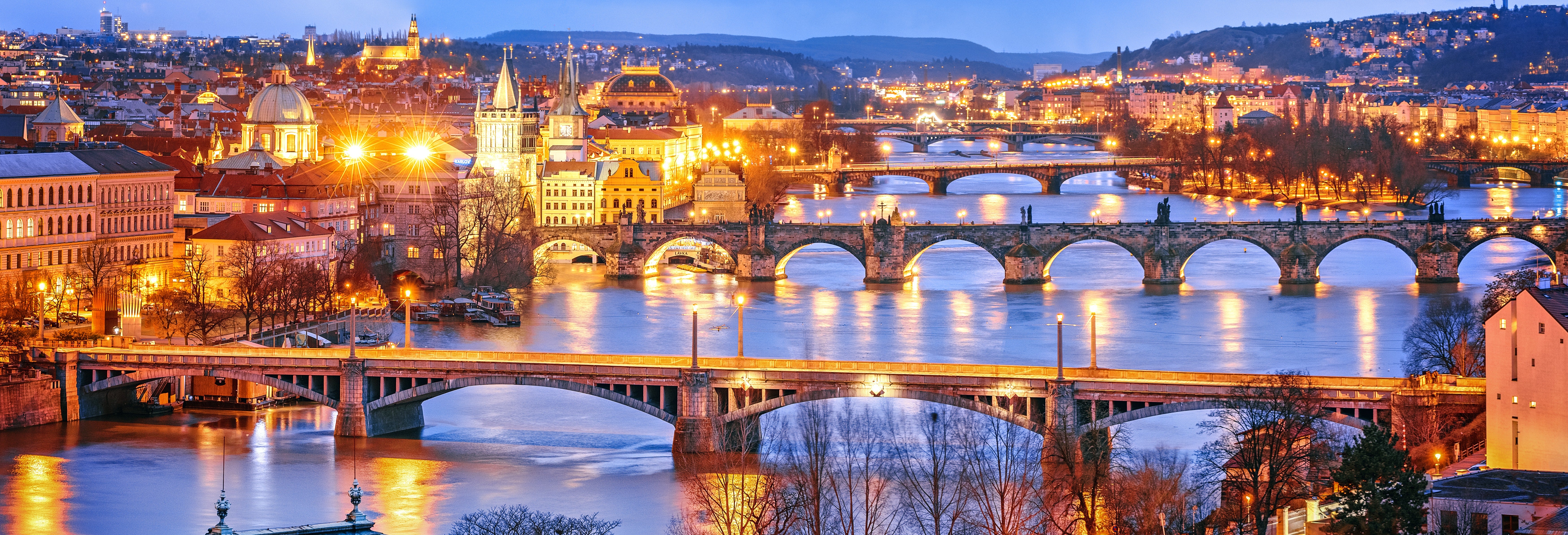
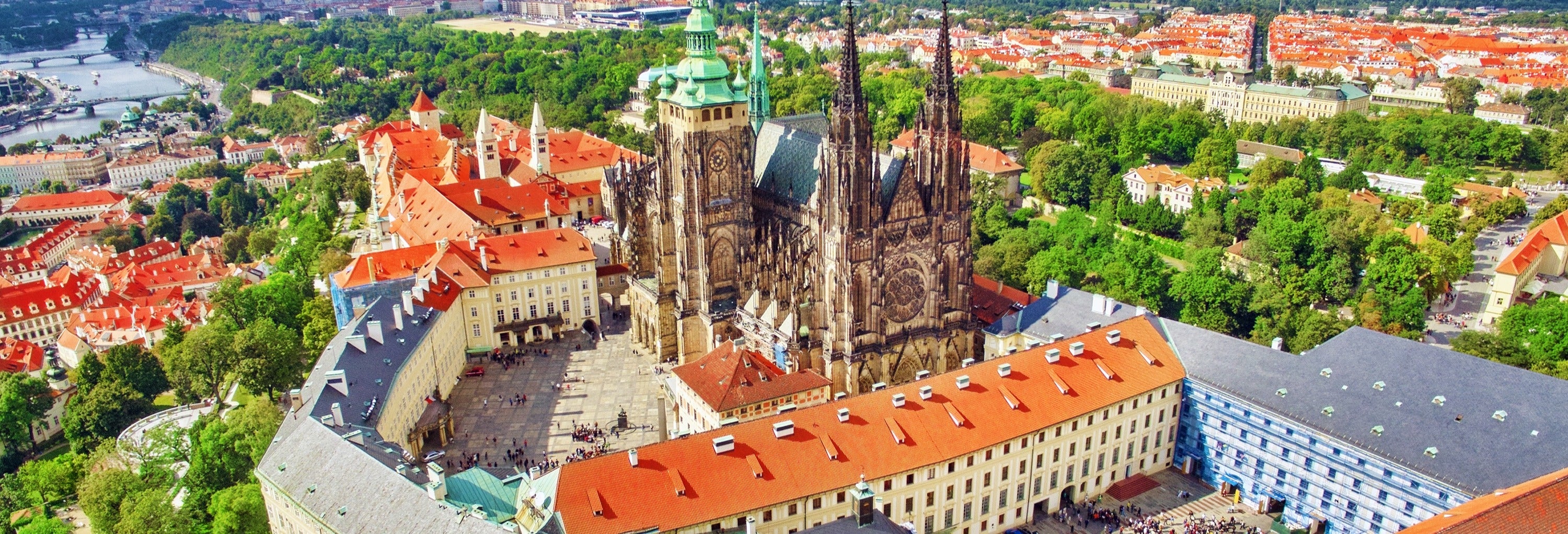
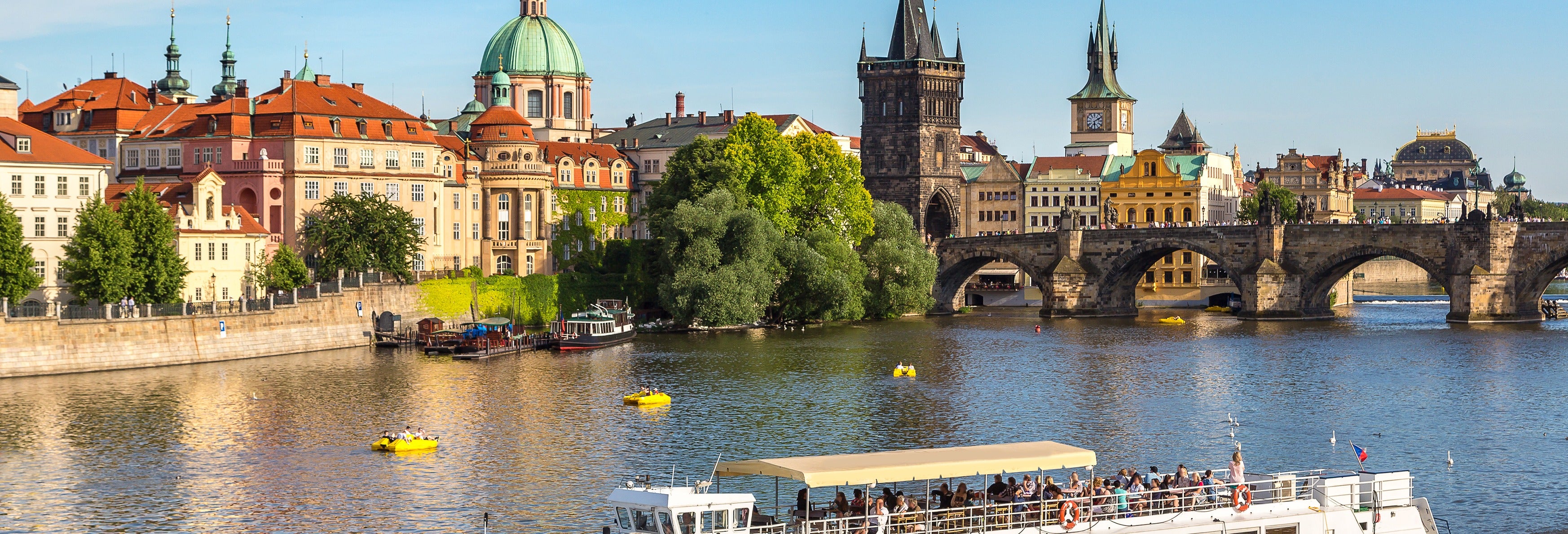
Crowds month by month
Twelve months of Prague at a glance — tap a month for the full picture.
Every month in Prague
Weather, crowds and what’s on — one page per month.
Weather through the year
Typical highs, lows and wet days.
Best day of the week
How the crowd moves through a typical week.
Tue is normally the calmest day of the week.
Best time of day
The daily rhythm, hour by hour.
The 9:00 AM window is usually the calmest of the day.
Where the crowd gathers
A typical peak afternoon in the centre.
How long to stay
Two full days covers the castle, the Old Town and Josefov; a third gives you Vyšehrad and the Vinohrady side of the river.
Local timing tips
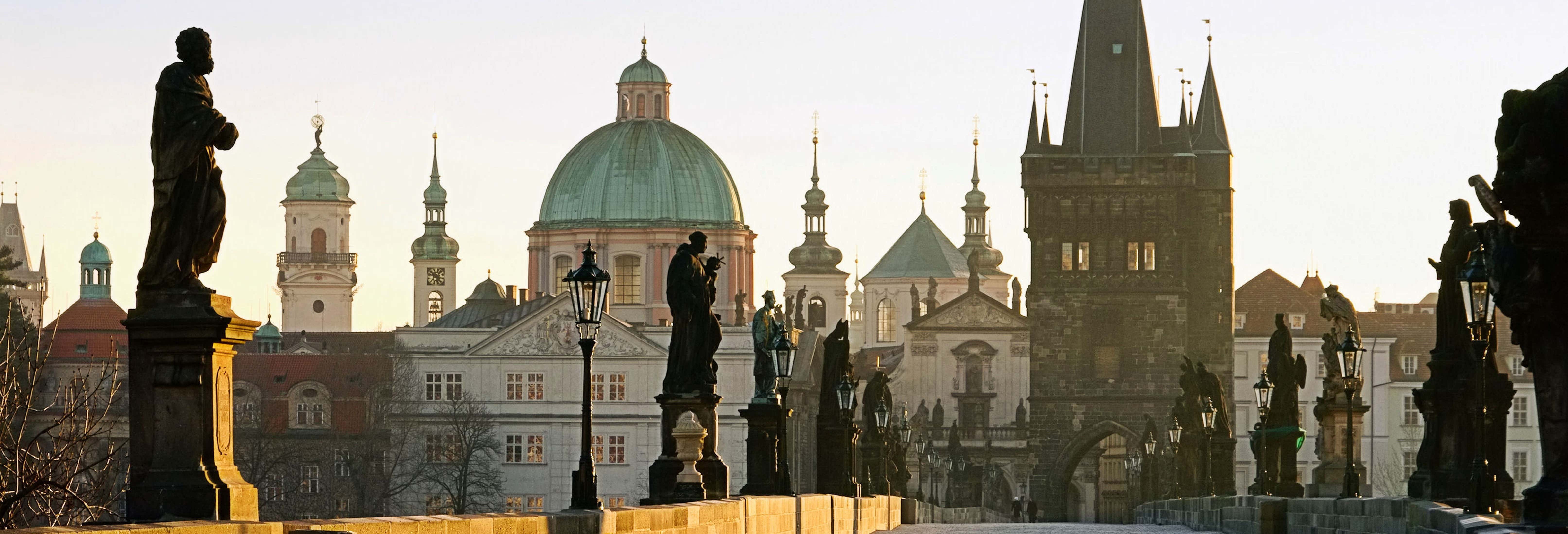
- Cross Charles Bridge before 7am or after 10pm — in between you are essentially queueing to take a photograph.
- The Astronomical Clock show lasts under a minute and is not worth planning a day around; the tower view above it is.
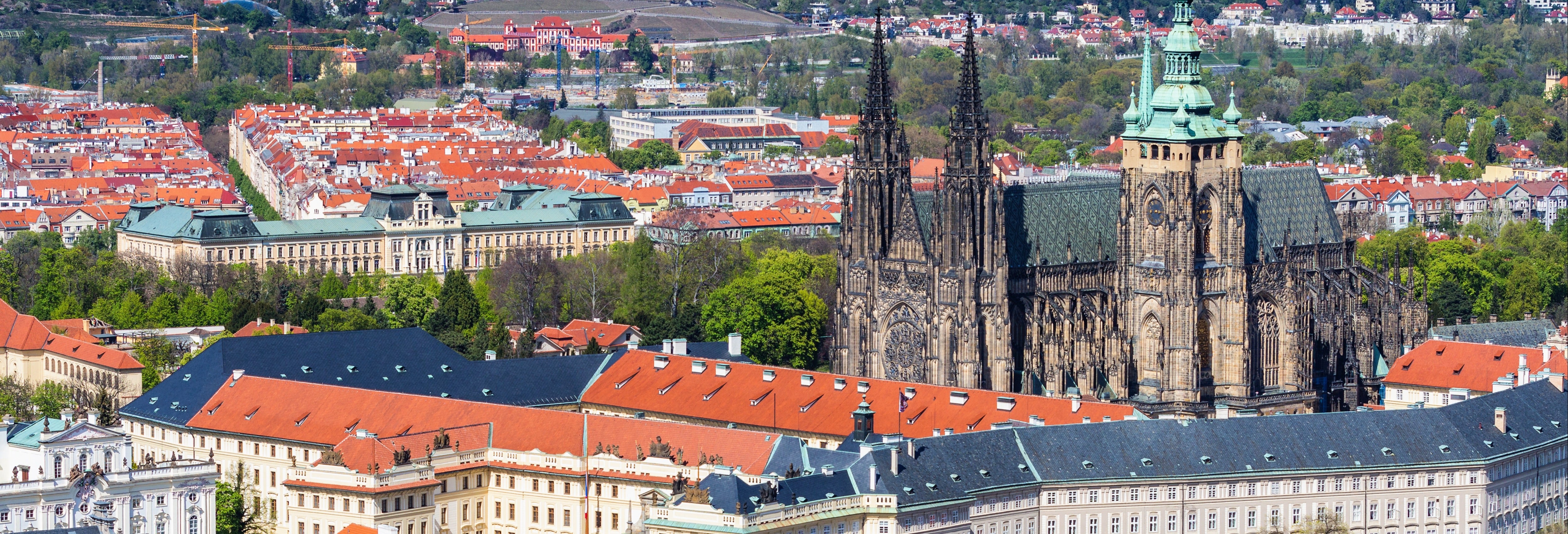
- Prague Castle requires a security screening, and the eastern Golden Lane gate is usually much faster than the main courtyard entrance.
- Always pay in Czech koruna and decline dynamic currency conversion at card terminals in the centre — the exchange rate offered is poor.
Attractions in Prague
Frequently asked questions
When is the best time to visit Prague?
The best time to visit Prague is February, the quietest month of the year, or the shoulder weeks around January when the crowd eases but the weather still holds.
What is the cheapest and quietest month in Prague?
February is the quietest month in Prague, with a modelled crowd level near 38/100 and typical highs of 4°C.
When is Prague most crowded?
Prague peaks in July, when both visitor numbers and prices are at their highest.
How many days do you need in Prague?
Two full days covers the castle, the Old Town and Josefov; a third gives you Vyšehrad and the Vinohrady side of the river.
Other attractions
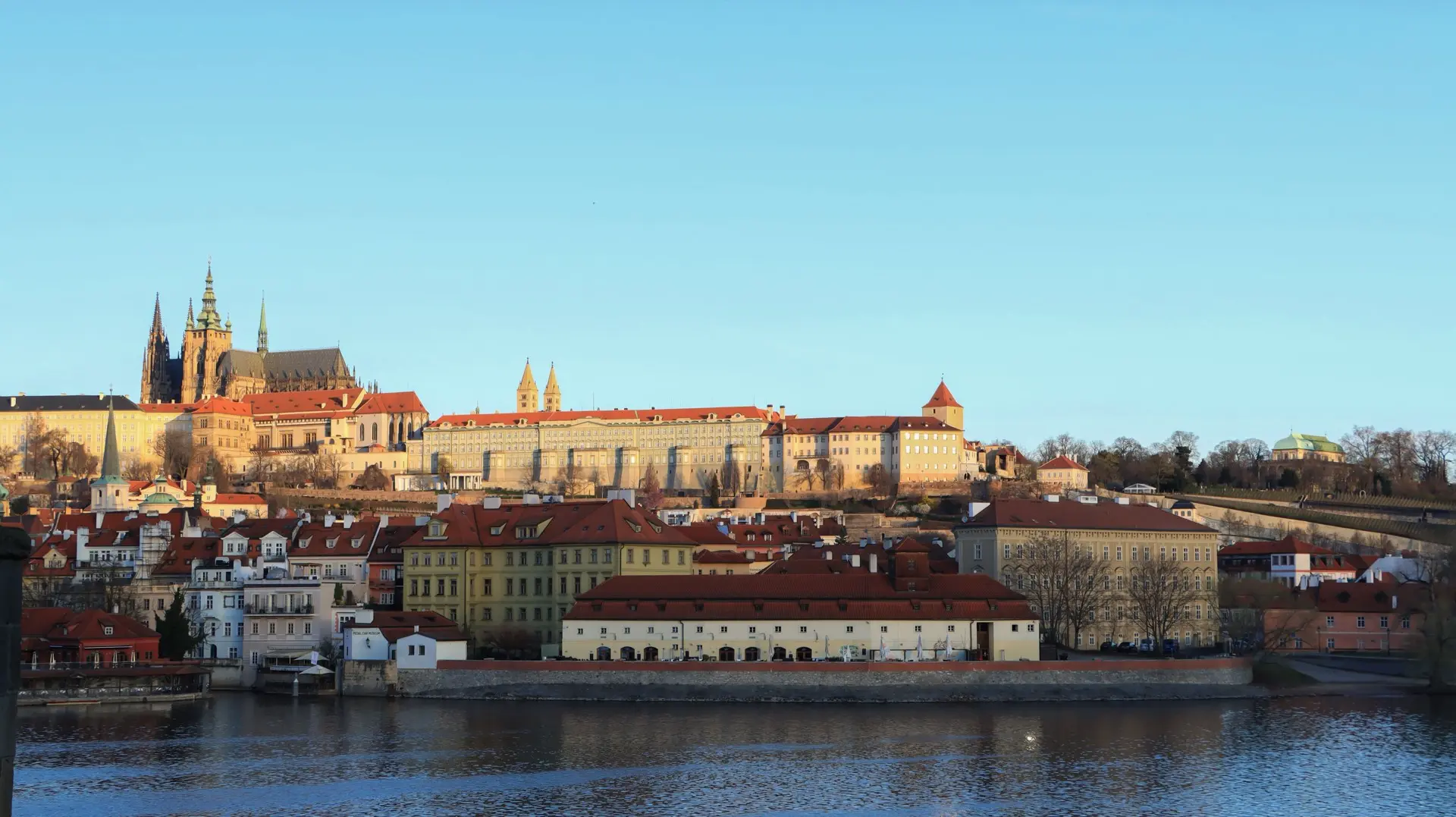
Photo: Gotta Be Worth It · Pexels