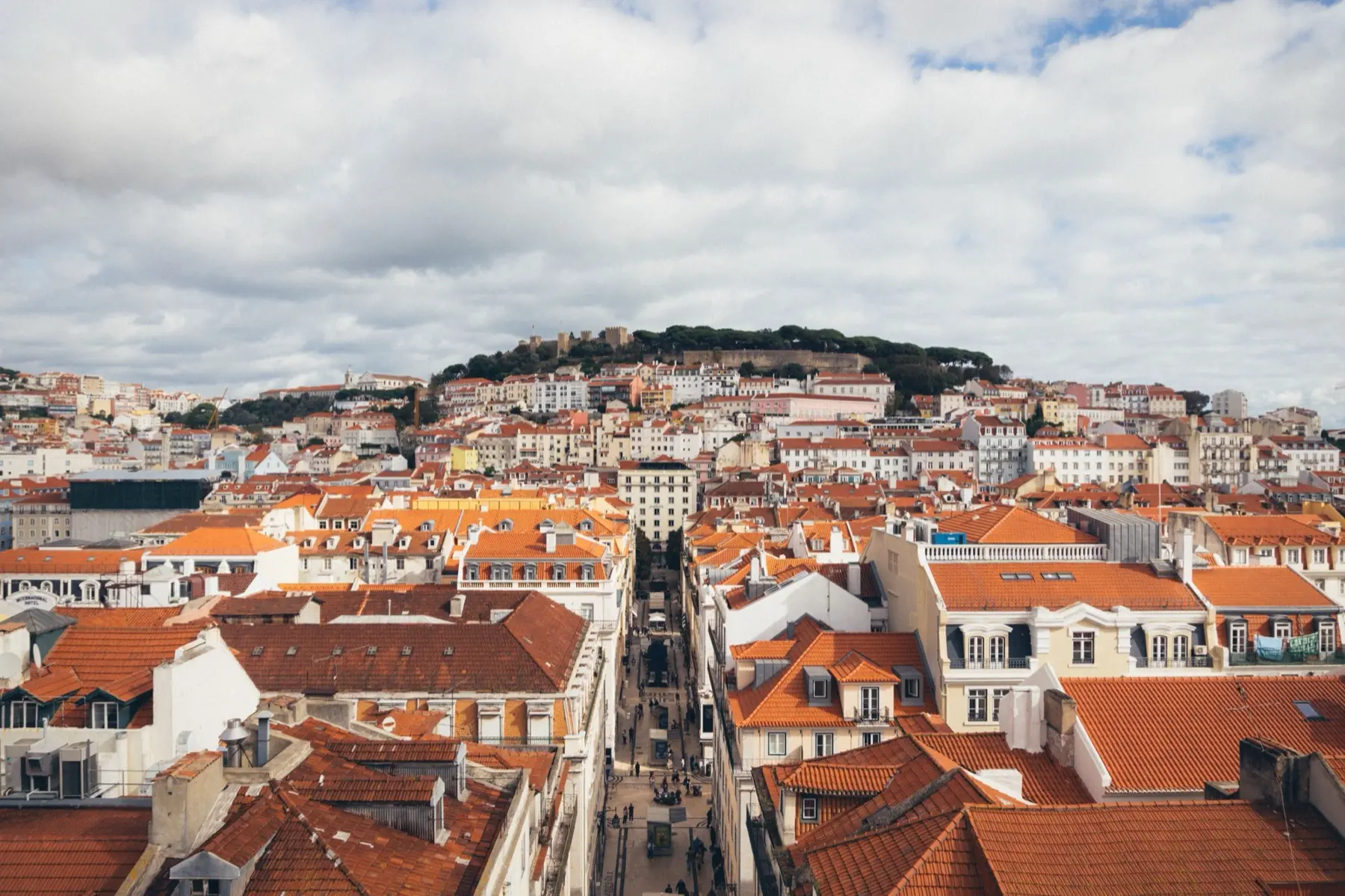
Lisbon
September keeps the summer weather and loses a third of the summer crowd.
When to visit Lisbon
Lisbon is calmest in January and busiest in July. For the best balance of decent weather and smaller crowds, aim for February.
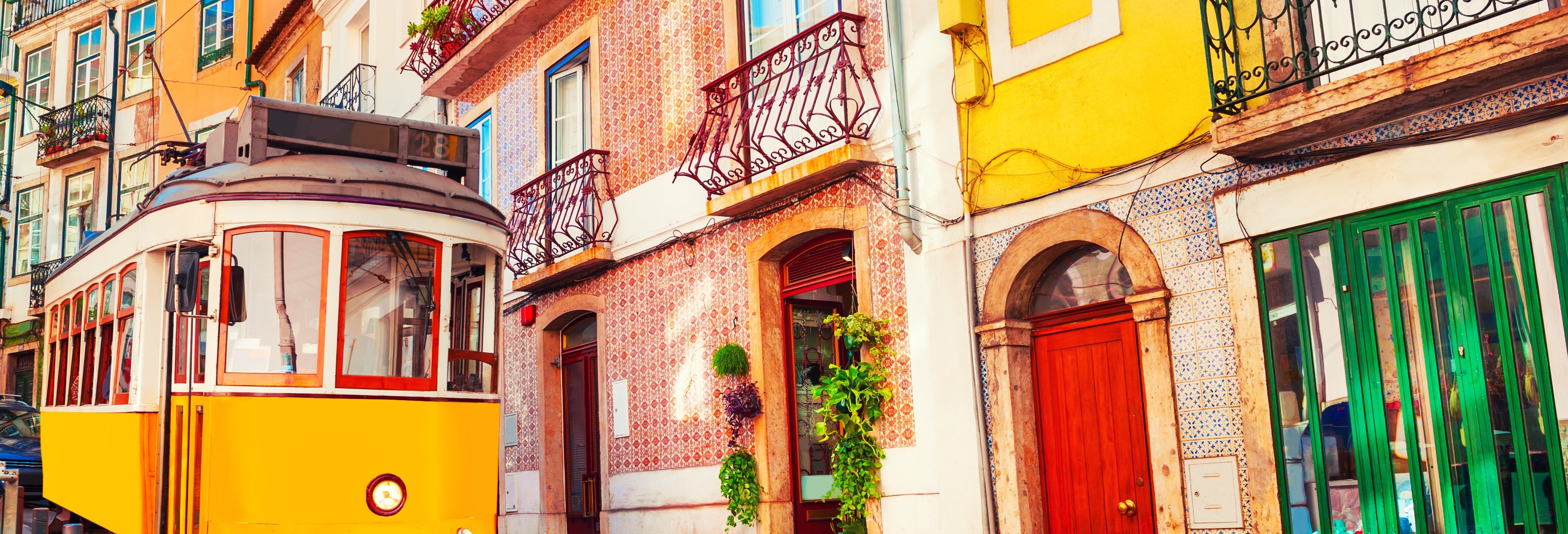
Lisbon has the mildest winter of any capital in mainland Europe, and that is the single most useful fact about its calendar. November through February are wet but rarely cold — daytime highs stay around 15–16°C — and the city is at a fraction of its summer occupancy. Belém, the Alfama viewpoints and tram 28 on a January weekday are a completely different proposition from the same places in July.
The peak builds through June, when the Festas de Lisboa and Santo António turn Alfama and Graça into a fortnight of grilled sardines and paper garlands, and it holds through August. Heat is real but Atlantic — usually 28–29°C rather than the 35°C of inland Iberia — though the hills make it feel worse than the numbers suggest. Cruise calls at Santa Apolónia add to the daytime load in the old town, particularly on spring and autumn mornings.
September is the best single month on almost every measure: sea and air still summer-warm, visibly thinner crowds after the first week, and prices already stepping down. May is its spring equivalent, dry and long-lit without the peak-season load. Whenever you come, treat Sintra as a separate expedition with booked entry times — it is where the crowd math goes wrong for most visitors.
Book things to do
Tours and tickets in Lisbon, from our booking partner.
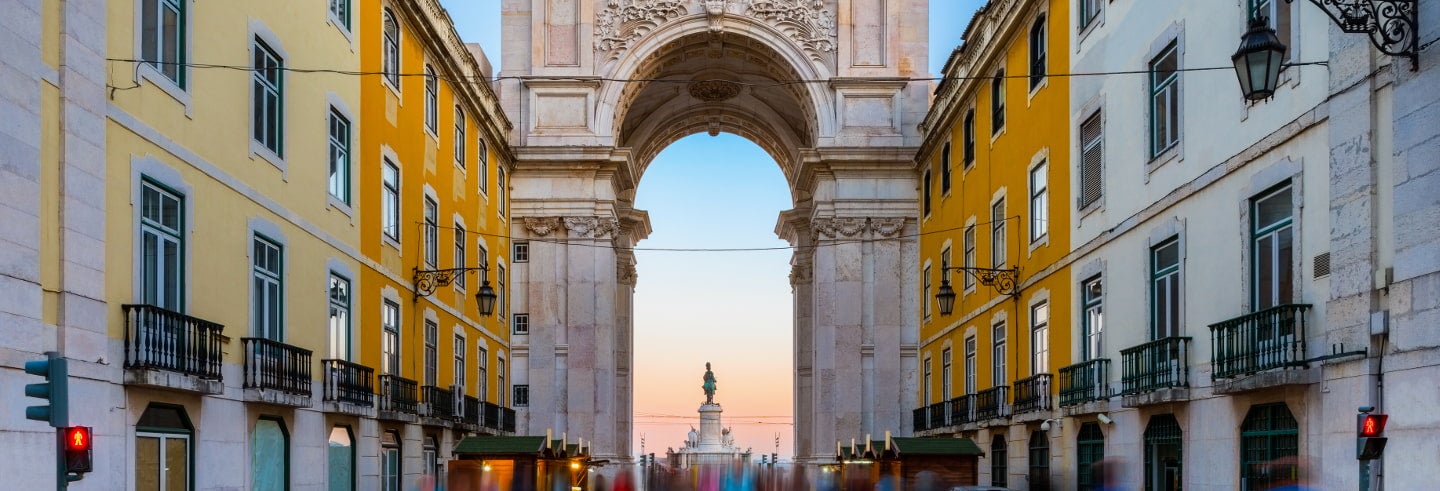
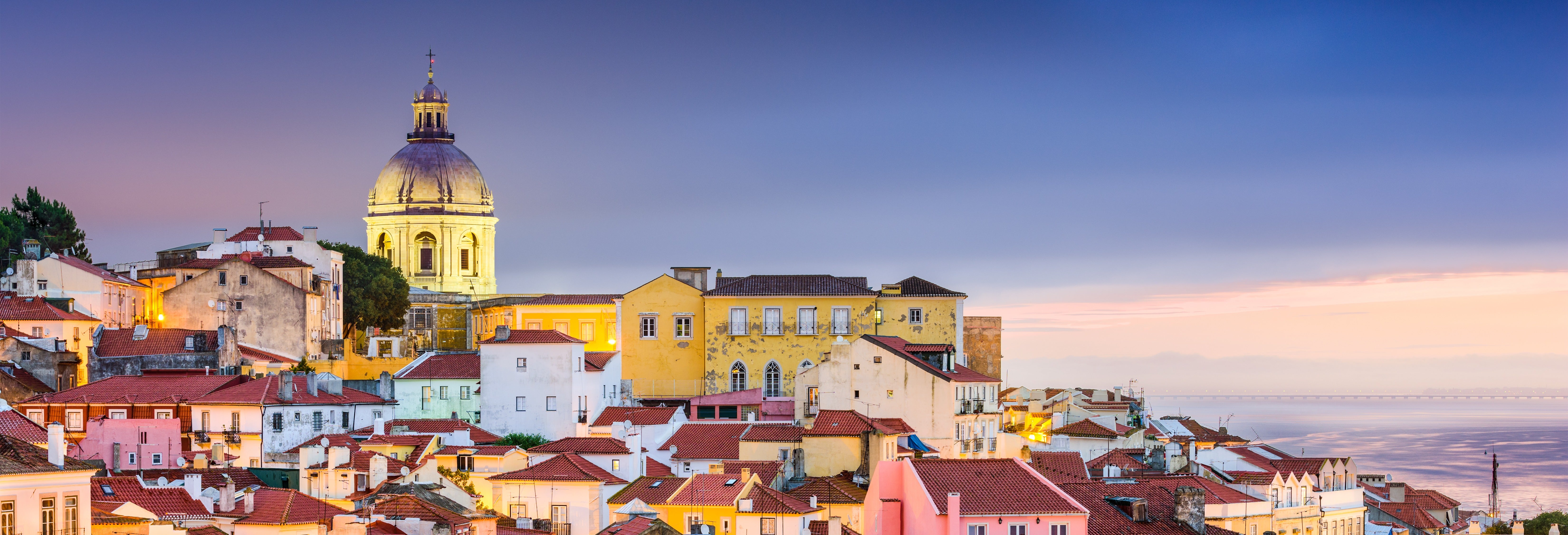
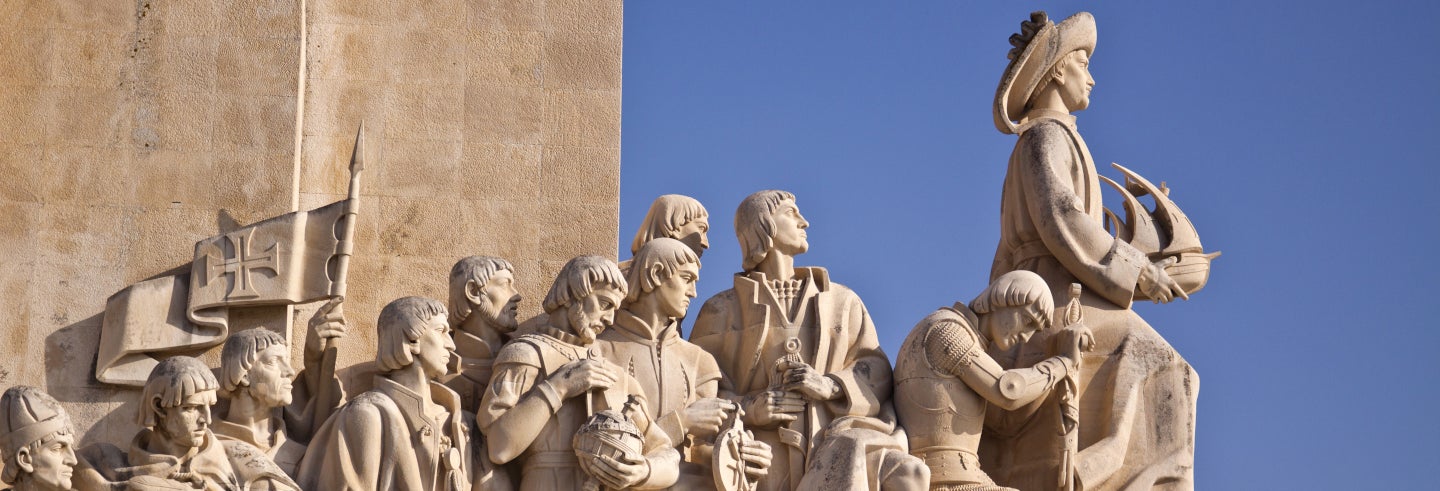
Crowds month by month
Twelve months of Lisbon at a glance — tap a month for the full picture.
Every month in Lisbon
Weather, crowds and what’s on — one page per month.
Weather through the year
Typical highs, lows and wet days.
Best day of the week
How the crowd moves through a typical week.
Tue is normally the calmest day of the week.
Best time of day
The daily rhythm, hour by hour.
The 9:00 AM window is usually the calmest of the day.
Where the crowd gathers
A typical peak afternoon in the centre.
Cruise days change everything
Lisbon is a cruise port. On ship days the centre fills between mid-morning and late afternoon, then empties again.
How long to stay
Three full days for the city itself, plus a fourth for Sintra — do not try to fold Sintra into a half day.
Local timing tips
- Buy the Jerónimos Monastery ticket online and go after 3pm, once the morning coaches from the cruise terminal have cleared.
- Tram 28 is a scrum by nine in the morning; take tram 12 over much of the same ground or walk the route downhill instead.
- Sintra needs booked entry times for Pena Palace and the first train out of Rossio — arriving at midday is the classic mistake.
- Most museums close on Monday. The miradouros and the pastelarias do not, so build the lazy day around those.
Frequently asked questions
When is the best time to visit Lisbon?
The best time to visit Lisbon is January, the quietest month of the year, or the shoulder weeks around February when the crowd eases but the weather still holds.
What is the cheapest and quietest month in Lisbon?
January is the quietest month in Lisbon, with a modelled crowd level near 40/100 and typical highs of 15°C.
When is Lisbon most crowded?
Lisbon peaks in July, when both visitor numbers and prices are at their highest.
How many days do you need in Lisbon?
Three full days for the city itself, plus a fourth for Sintra — do not try to fold Sintra into a half day.
Other attractions
Photo: Taras Chuiko · Pexels