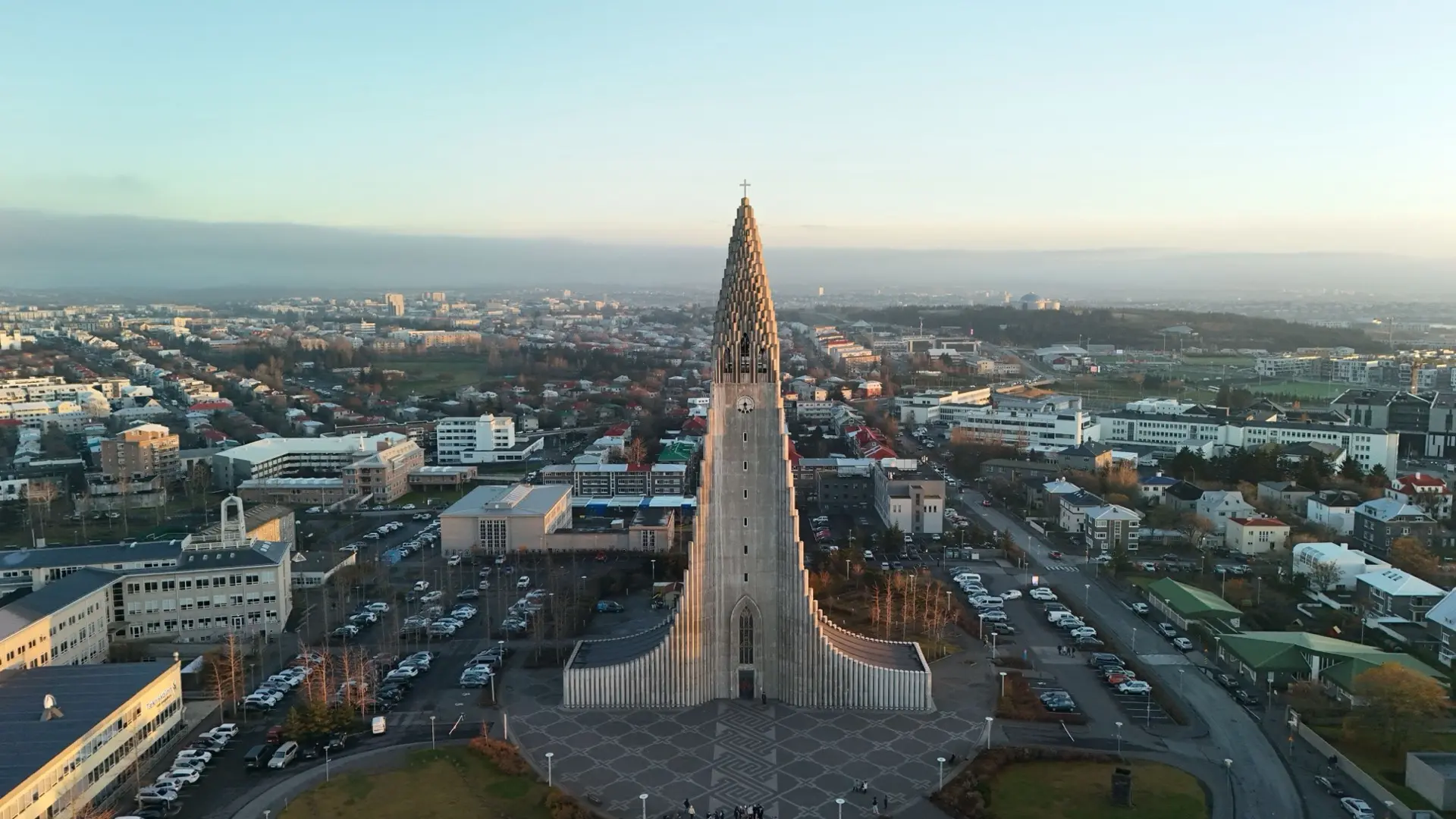
Iceland
The crowd follows the light: July and August are the busiest months, November and April the calmest, and winter means short days and changeable weather.
When to visit Iceland
Across Iceland as a whole, November is typically the calmest month and July the busiest. Crowds are not uniform, though — see how the regions differ below.
Iceland’s overnight stays follow Reykjavik’s curve closely. June, July and August are the busiest months, with July at the top; November and April are the quietest, and September is clearly calmer than August. January, February, March, May and October sit in between.
The reason is daylight more than temperature. Highs only range from 3 °C in winter to 15 °C in July, so the season is set by light: around the June solstice the sun barely sets and you can drive and walk at any hour, while in December daylight shrinks to a few hours and the sights are seen between late morning and mid-afternoon. Reykjavik has rain on 12 to 20 days every month, so no month is reliably dry.
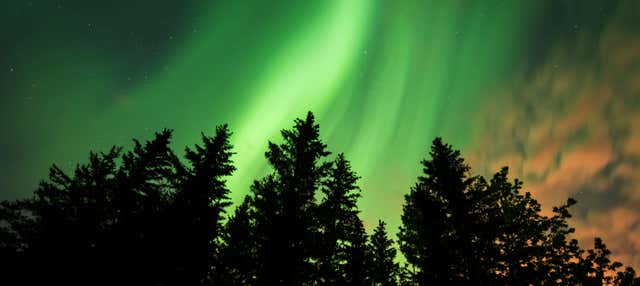
Two things change what a month can do. The aurora needs dark skies, so it is a September to March option and not possible in the bright nights of June and July; and the interior opens only in summer. The trade-off is between long days with the most visitors, and short days with more space and less margin for error, above all on the road.
Book things to do
Iceland: tours and tickets in Reykjavik, from our booking partner.
 Free cancellation
 Free cancellation
 Free cancellation
 Free cancellation
 Free cancellation
It is not the same everywhere
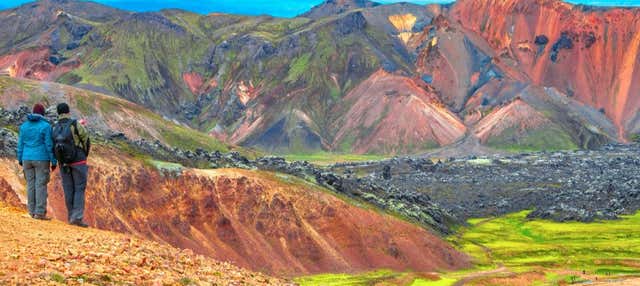
The weather and rain figures in the monthly notes are for Reykjavik and the south-west, which is also where most visitors are. The north and east are cooler and see fewer people in the same month, and the south coast between Reykjavik and Vík takes the largest share of day trips, so it is the first place to feel the summer crowd. The Highlands are a separate case: the mountain tracks marked F normally open in June or early July and close between late August and October, depending on snow and river levels, so a highland plan in May or November is not possible.
Getting around
Most visitors hire a car. Route 1, the Ring Road, circles the island, and Keflavik airport is about 50 km from Reykjavik. Domestic flights link Reykjavik with towns such as Akureyri, and bus services thin out in winter. Check road conditions and weather alerts before every drive (road.is, safetravel.is).
Crowds month by month across Iceland
Averaged across the 1 destinations we cover — tap a month for the full picture.
Weather across Iceland
Averaged across our destinations. The spread column shows how far apart the warmest and coolest are.
More tours and tickets
More options from our booking partner.
Where we have data in Iceland
Each city has its own crowd calendar and twelve month pages.
Every month in Iceland
Country-level tips
- Public holidays that matter: 1 January, Maundy Thursday, Good Friday and Easter Monday (movable), the First Day of Summer (first Thursday after 18 April), 1 May, 17 June, Commerce Day (first Monday in August) and 24 to 26 December. Shops, banks and some restaurants and services close or shorten their hours on these days.
- In winter, drive only after a weather check: wind, ice and snow close roads at short notice, and the Icelandic road administration publishes live conditions at road.is. Plan around sunrise and sunset, because in December you may have only a few hours of usable light.
- For the aurora, plan several nights between September and March. Clear skies and darkness away from town lights matter more than the month, and the bright nights of June and July rule it out.
- Book accommodation and car hire early for June to August, when demand is highest. In the quiet months of April, October and November, check that the tours and places you want are running, since some keep reduced schedules.
Frequently asked questions
When is the best time to visit Iceland?
The best time to visit Iceland is around November, when crowds across the country sit near 42/100 and average highs are about 5°C.
What is the quietest month in Iceland?
November is the quietest month across the destinations we track in Iceland, averaging 42/100.
When is Iceland most crowded?
Iceland peaks in July, when domestic and international travel overlap.